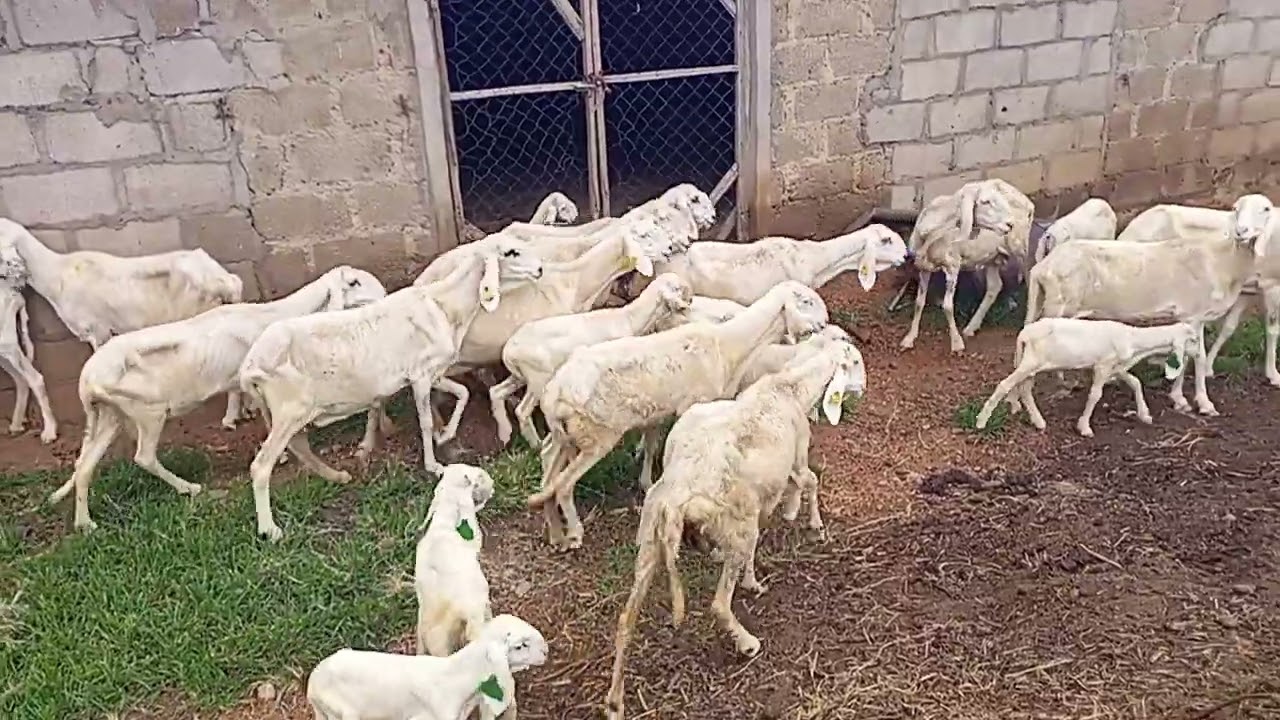
What Is Sheep Farming? A Complete Guide for Beginners
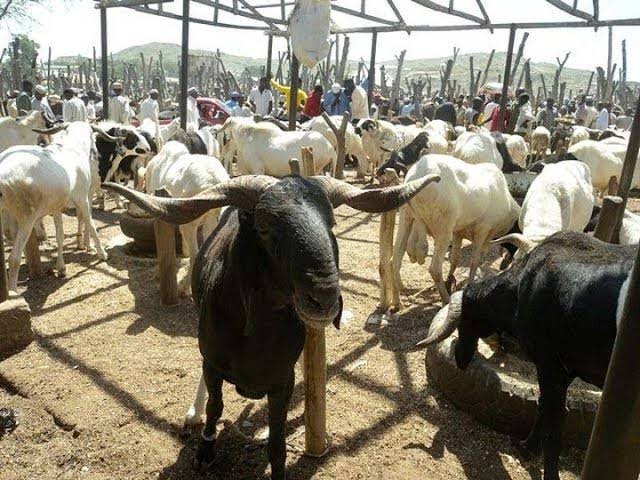
Sheep farming is the practice of raising sheep for meat, wool, milk, breeding stock, and other valuable products. It is one of the oldest forms of livestock farming and remains an important agricultural business worldwide. Sheep are known for their ability to adapt to different climates, feed on various types of grasses, and provide multiple sources of income for farmers.
For young farmers and individuals interested in starting a livestock business, sheep farming offers a profitable opportunity because sheep require relatively low startup costs compared to many other livestock enterprises. With proper management, feeding, housing, and healthcare, sheep farming can become a sustainable and rewarding business.
Why Sheep Farming Is Important
Sheep farming contributes significantly to food production and rural economies. Sheep provide:
- Meat (mutton and lamb)
- Wool for textile production
- Milk for dairy products
- Manure for crop farming
- Breeding stock for sale
- Additional income for farming households
Because sheep can graze on natural pastures and utilize land that may not be suitable for crop production, they help maximize farm productivity.
Types of Sheep Farming
Meat Production
Many farmers raise sheep primarily for meat production. Lamb and mutton are widely consumed in many countries and often command good market prices.
Wool Production
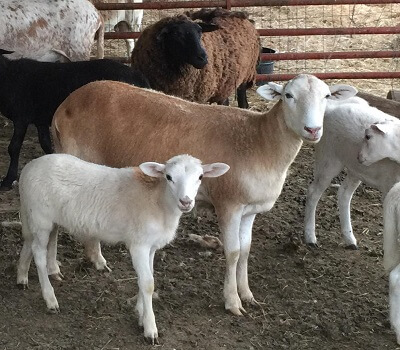
Some sheep breeds are raised mainly for wool. Wool is used in the manufacture of clothing, blankets, carpets, and other textile products.
Dairy Sheep Farming
Certain breeds produce milk that can be processed into cheese, yogurt, and other dairy products.
Breeding Operations
Breeding farms focus on producing quality rams and ewes for sale to other farmers.
Advantages of Sheep Farming
Sheep farming offers several benefits:
- Requires relatively low startup capital
- Sheep mature quickly
- High demand for sheep meat
- Can be raised on small and large farms
- Produces multiple income streams
- Sheep manure improves soil fertility
- Easy to integrate with crop farming
Choosing the Right Sheep Breed
The success of a sheep farm depends largely on selecting suitable breeds. Farmers should choose breeds based on their production goals, climate, and market demand.
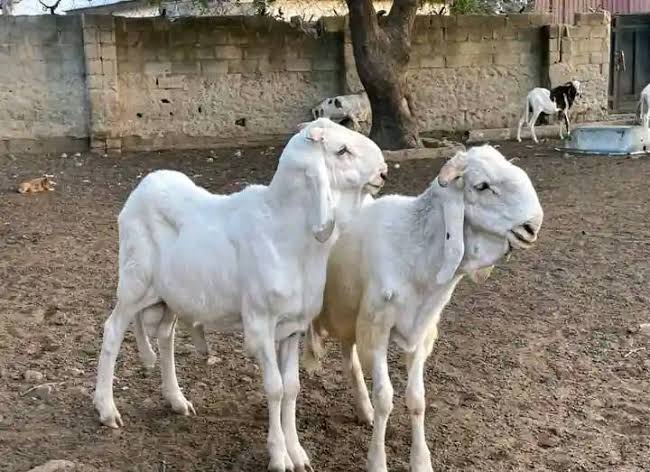
Common categories include:
- Meat breeds
- Wool breeds
- Dairy breeds
- Dual-purpose breeds
When purchasing sheep, select healthy animals with good body condition, strong legs, bright eyes, and no signs of disease.
Housing for Sheep
Proper housing protects sheep from rain, excessive heat, cold weather, and predators.
A good sheep house should have:
- Adequate ventilation
- Dry flooring
- Good drainage
- Protection from predators
- Enough space for movement
- Easy access to feed and water
Clean housing reduces disease outbreaks and improves animal welfare.
Feeding and Nutrition
Proper nutrition is essential for growth, reproduction, and productivity.
Sheep commonly feed on:
- Natural pasture grasses
- Hay
- Silage
- Legumes
- Crop residues
- Concentrate feeds
- Mineral supplements
Clean drinking water should always be available. Nutritional requirements vary according to age, weight, pregnancy status, and production stage.
Sheep Reproduction
Reproduction is a key aspect of sheep farming.
Male Sheep
Adult males are called rams and are used for breeding.
Female Sheep
Adult females are called ewes.
Young Sheep
Young sheep are called lambs.
Most sheep have a gestation period of approximately five months. Good breeding management improves lamb survival rates and farm profitability.
Lamb Management
Proper care of newborn lambs is critical.
Important practices include:
- Ensuring lambs receive colostrum shortly after birth
- Keeping lambing areas clean
- Protecting lambs from cold weather
- Monitoring health regularly
- Providing adequate nutrition
Healthy lambs grow faster and reach market weight sooner.
Health Management
Disease prevention is more effective and less expensive than treatment.
Key health practices include:
- Regular vaccination
- Deworming programs
- Parasite control
- Proper sanitation
- Isolation of sick animals
- Routine veterinary checks
Farmers should maintain health records for all animals.
Common Challenges in Sheep Farming
Some common problems include:
- Disease outbreaks
- Internal and external parasites
- Predators
- Feed shortages
- Poor breeding management
- Market fluctuations
Proper planning and management can reduce these challenges.
Marketing Sheep
Successful sheep farming requires good marketing strategies.
Farmers can sell:
- Live sheep
- Breeding stock
- Lambs
- Meat products
- Wool
- Milk and dairy products
Understanding local market demand helps farmers maximize profits.
Cost of Starting a Sheep Farm
Startup costs depend on:
- Number of sheep purchased
- Housing construction
- Feeding expenses
- Veterinary care
- Equipment and fencing
- Labor costs
Beginners are encouraged to start small, gain experience, and gradually expand their flock.
Tips for New Sheep Farmers
- Start with healthy animals.
- Learn basic sheep management skills.
- Keep accurate farm records.
- Provide quality feed and clean water.
- Follow vaccination schedules.
- Maintain clean housing.
- Monitor animals daily.
- Seek advice from experienced farmers and veterinarians.
- Develop a marketing plan before production begins.
Conclusion
Sheep farming is a profitable and sustainable livestock enterprise that can provide meat, wool, milk, manure, and income. For young farmers and those planning to enter the livestock industry, sheep farming offers an excellent opportunity to build a successful agricultural business. By choosing the right breeds, providing proper nutrition, maintaining good health management practices, and understanding market demands, farmers can achieve long-term success in sheep production.
Leave a Reply