Tomato farming is one of the most profitable and rewarding agricultural ventures in Nigeria and across Africa. However, success in tomato production depends on proper planning, good knowledge of the crop, and following the right farming practices. For a young farmer, understanding the key steps before going into tomato farming can make the difference between profit and loss.
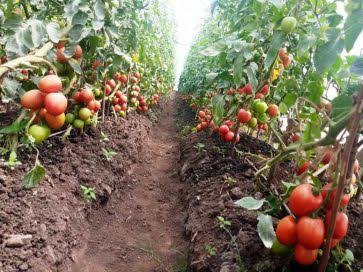
This guide will educate you on the important tomato farming basics every young farmer should know before starting.
1. Choose the Right Location and Soil
Tomatoes thrive best in loamy, well-drained soil that is rich in organic matter. Avoid waterlogged areas as too much moisture causes root rot and diseases.
- Ideal soil pH: 6.0 – 7.0
- Test your soil before planting to know its nutrient content.
- Ensure the site receives 6–8 hours of direct sunlight daily for proper fruit development.
2. Select the Right Tomato Variety
Different tomato varieties are suitable for different purposes and regions.
- Open-pollinated varieties (like Roma VF) are best for large-scale or processing.
- Hybrid varieties (like UC82B or Beske) give higher yields and resist diseases.
- Choose a variety based on market demand, climate, and intended use (fresh market or paste production).
3. Prepare Your Land Properly
Proper land preparation ensures good soil aeration and root development.
- Clear the land of weeds and debris.
- Plow and harrow to loosen the soil.
- Create beds or ridges to allow good drainage and easier management.
- Add organic manure or compost before transplanting to improve soil fertility.
4. Nursery Preparation and Seedling Care
Start your tomato seeds in a nursery before transplanting.
- Use sterilized soil mixture (sand + compost + topsoil).
- Sow seeds lightly and cover with mulch.
- Water regularly but avoid over-watering.
- Transplant after 4–6 weeks when seedlings have 4–6 true leaves.
5. Transplanting and Spacing
Transplant seedlings early in the morning or late evening to reduce stress.
- Spacing: 60 cm × 45 cm between plants.
- Water the seedlings immediately after transplanting.
- Apply mulch around plants to retain moisture and control weeds.
6. Watering and Fertilizer Application
Tomatoes need consistent watering for proper fruit formation.
- Water 2–3 times per week, depending on weather conditions.
- Avoid wetting the leaves to prevent fungal diseases.
- Apply NPK fertilizer (15:15:15) or compost 2 weeks after transplanting, and top-dress with urea when flowering starts.
7. Staking and Pruning
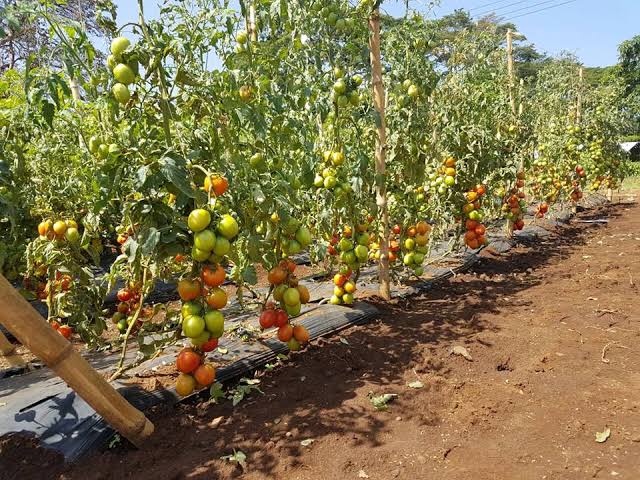
Support tomato plants with stakes or bamboo sticks to prevent the fruits from touching the soil.
- Staking improves airflow and reduces disease risk.
- Prune excess leaves and suckers to allow sunlight penetration and increase yield quality.
8. Pest and Disease Control
Common tomato pests include aphids, whiteflies, and fruit borers, while diseases include blight and leaf spot.
- Use organic pesticides like neem extract where possible.
- Practice crop rotation to avoid soil-borne diseases.
- Keep the farm clean and remove infected plants immediately.
9. Harvesting and Post-Harvest Handling
Tomatoes are ready for harvest 70–90 days after transplanting.
- Harvest when fruits turn red or according to market preference.
- Handle fruits gently to avoid bruising.
- Sort and package in crates for better transport and storage.
10. Marketing Your Tomatoes
Plan your marketing early before harvesting.
- Target local markets, supermarkets, and food processors.
- Sell directly to buyers to get better profit margins.
- Consider dry-season tomato production for higher market prices.
Conclusion
Tomato farming can be highly profitable if done with proper knowledge and management. As a young farmer, take time to understand the crop, choose the right variety, and follow good farming practices from nursery to harvest. With patience, consistency, and good record-keeping, you can build a successful tomato farming business in Nigeria.