
Cassava farming is one of the most profitable agricultural ventures in Nigeria and across Africa. However, to get the best yield, one vital farming practice that every cassava farmer must understand is leaving the land to mature (or fallow)before replanting cassava on it again. This practice plays a key role in soil fertility, pest control, and sustainable productivity.
In this article, we’ll explain why allowing land to rest before replanting cassava is important, how long to leave it, and how it affects your yield.
What Does It Mean to Leave Land to Mature?
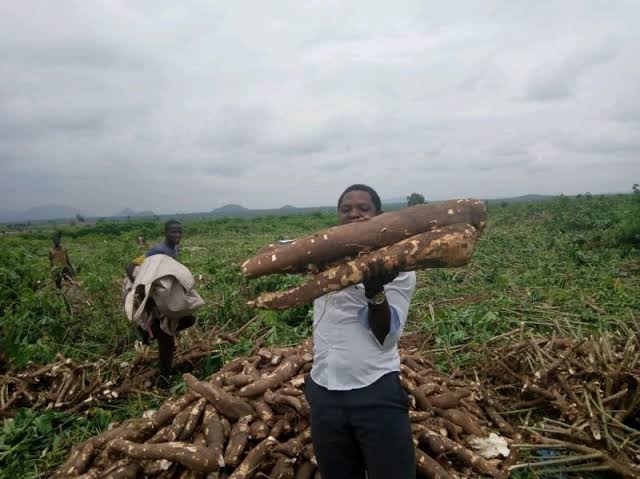
Leaving land to mature means allowing your farmland to rest for a period (usually 1 to 3 years) after harvesting cassava before planting on it again. During this time, no crops are planted, or the farmer may grow cover crops or legumes to help restore soil nutrients naturally.
This process is also known as “fallowing.”
Reason Why You Should Let Land Mature Before Planting Cassava Again
1. Restores Soil Fertility
Cassava is a heavy feeder crop. It takes a lot of nutrients such as nitrogen, potassium, and phosphorus from the soil to grow healthy tubers.
If you plant cassava continuously without resting the soil, it becomes nutrient-depleted, leading to poor yield and stunted growth.
Leaving the land to mature helps soil organisms rebuild organic matter and nutrients naturally.
2. Improves Soil Structure
Continuous cassava cultivation can make the soil hard and compacted, especially if tractors or heavy tools are used for tilling.
When you leave the land to rest, rainfall, earthworms, and natural processes help to loosen and aerate the soil, improving root penetration for your next cassava crop.
3. Reduces Pest and Disease Build-up
Pests like cassava mealybugs and diseases such as cassava mosaic virus tend to accumulate when cassava is grown repeatedly on the same land.
Allowing the land to rest breaks the pest life cycle and reduces disease presence, giving your next cassava planting a fresh, healthy start.
4. Encourages Natural Regeneration
During the fallow period, grasses and other plants regrow naturally, returning organic matter to the soil.
When these plants decay, they add humus and improve moisture retention, which supports better cassava root formation during the next planting.
5. Promotes Higher Cassava Yield
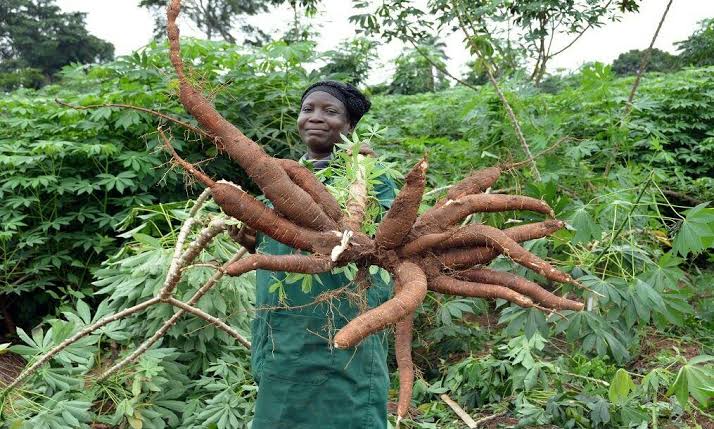
When land is well-rested and fertile, cassava roots grow bigger and healthier.
Farmers who practice crop rotation and land resting often record 30–50% higher yield than those who continuously plant cassava on the same plot.
How Long Should You Leave the Land to Mature?
- Short fallow: 6 months – 1 year (for small farms or limited land)
- Medium fallow: 1–2 years (ideal for moderate soil recovery)
- Long fallow: 3 years or more (best for restoring poor or overused land)
If land space is limited, you can plant leguminous crops such as soybeans, groundnuts, or cowpeas during the fallow period to fix nitrogen and maintain fertility.
Sustainable Cassava Farming Practice
To maintain long-term productivity:
- Rotate cassava with maize, yam, or legumes.
- Apply organic manure or compost before replanting.
- Avoid burning weeds after clearing fallow land — instead, plow them under to enrich the soil.
Conclusion
Leaving your land to mature before planting cassava again is not a waste of time — it is an investment in your soil and future harvests.
Healthy soil equals high yield. By practicing land fallowing and crop rotation, you will enjoy better cassava size, quality, and profit every season.