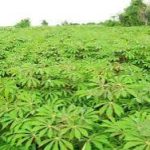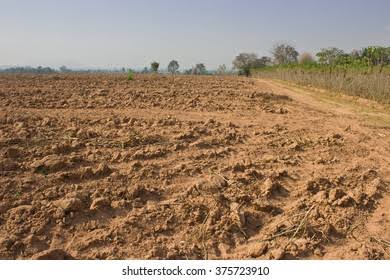

If you want to start cassava farming in Nigeria, one of the most important steps to get right is land preparation. Proper land preparation helps cassava roots grow well, reduces weeds, and improves soil fertility — which all lead to higher yields and more profit.
In this guide, you’ll learn everything you need to know about how to prepare land for cassava farming, written to educate young farmers.
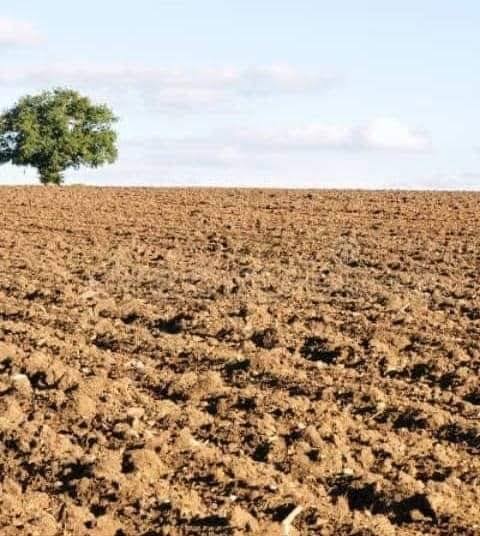
What Is Land Preparation in Cassava Farming?
Land preparation is the process of getting your farmland ready for planting cassava. It involves clearing, plowing, ridging, and sometimes applying organic or inorganic fertilizers to improve the soil.
Cassava grows best on loamy or sandy-loam soil, and proper preparation ensures the soil is loose and well-drained, allowing the roots to expand easily.
Steps Involved in Land Preparation for Cassava Farming
1. Site Selection
Choose a farmland with:
- Loamy or sandy-loam soil
- Good drainage (not waterlogged)
- Access to sunlight and water
- A flat or gently sloping area to prevent erosion
Avoid clay soils or areas prone to flooding, as cassava roots will rot easily.
2. Land Clearing
Clear the land by removing trees, bushes, weeds, and stumps.
You can use:
- Manual tools (cutlasses, hoes) — for small-scale farming
- Tractors or bulldozers — for large-scale cassava farms
Proper clearing helps prevent pest hiding places and ensures smooth planting operations.
3. Plowing and Harrowing
After clearing, plow the land to loosen the soil and break compact layers.
Then harrow it to make the soil fine and suitable for planting.
This process helps cassava cuttings penetrate easily and promotes good root development.
4. Ridge or Mound Formation
Cassava performs best when planted on ridges or mounds.
- Ridges are ideal for mechanized farming.
- Mounds are best for hand planting or areas with poor drainage.
Benefits of ridges/mounds:
- Improve drainage
- Make weeding easier
- Encourage deeper root growth
Spacing should be about 1m x 1m between ridges or mounds to allow enough room for tuber expansion.
5. Soil Testing and Fertilizer Application
Before planting, conduct a soil test to know the nutrient content.
Cassava depletes soil nutrients, so adding organic manure or NPK fertilizer (15:15:15) helps maintain fertility.
You can apply:
- 10–12 tons of organic manure per hectare
- Or 200–400 kg of NPK fertilizer per hectare (depending on soil test results)
6. Weed Control
Weeds compete with cassava for nutrients and water.
Use herbicides like glyphosate before planting or perform manual weeding during land preparation to ensure a clean start.
Best Time for Land Preparation
In Nigeria, cassava farming is mostly done during the rainy season (April–June).
Land preparation should begin 1–2 months before planting, so the soil will be ready when rains start.
Tools and Equipment Needed
Depending on your farm size, you may need:
- Cutlass and hoe (small-scale)
- Tractor with plow and harrow (large-scale)
- Herbicide sprayer
- Measuring tape for spacing
Important Tips for Young Cassava Farmers
- Never burn the land — it destroys soil nutrients.
- Always test the soil before adding fertilizer.
- Prepare ridges or mounds before the rains become too heavy.
- Practice crop rotation to maintain soil fertility.
- Use improved cassava varieties for higher yield.
Conclusion
Proper land preparation for cassava farming is the foundation for a productive harvest. When done right, it ensures your cassava plants grow stronger, produce more tubers, and give you better returns.
As a young farmer in Nigeria, investing time and effort into preparing your land will help you build a sustainable and profitable cassava farming business.