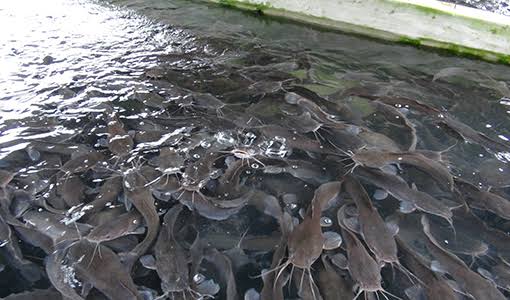

Catfish farming is one of the fastest-growing agribusinesses in Nigeria and across Africa. With the right planning, dedication, and knowledge, you can start a catfish farm and become successful before your first year of operation. This guide will educate you step by step on how to start catfish farming and grow it into a profitable agribusiness.
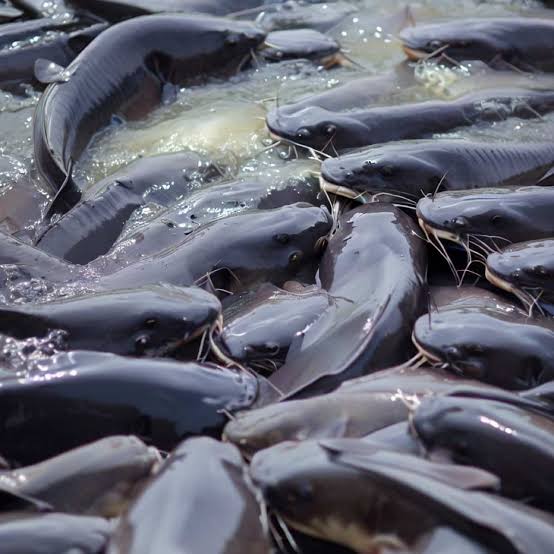
What is Catfish Farming?
Catfish farming involves the breeding, raising, and harvesting of catfish for commercial or personal use. Catfish is a popular source of protein and a high-demand fish in local markets, hotels, and restaurants across Nigeria.
Step-by-Step Guide to Start Catfish Farming Before One Year
1. Get Proper Training and Knowledge
Before investing your money, learn the basics of catfish farming. You can attend local agricultural workshops, online training, or visit an established fish farm.
Learn about:
- Catfish breeding and hatching
- Feeding and nutrition
- Pond management
- Disease control and water quality
Tip: Visit 2–3 successful catfish farms to gain real-life experience before starting yours.
2. Choose the Right Farm Location
Select a site with easy access to clean water and good drainage. The land should be affordable, secure, and near a reliable market for selling your fish.
Ideal location features:
- Steady water supply (borehole or natural source)
- Flat land to prevent erosion
- Accessibility to roads and buyers
3. Build or Prepare Your Fish Ponds
There are different types of ponds for catfish farming:
- Concrete ponds – durable and easy to maintain
- Earthen ponds – natural and low-cost
- Plastic tanks – good for small-scale beginners
Make sure your ponds have proper inlets and outlets for water flow. For a start, one or two ponds (10×10 ft) are enough for beginners.
4. Buy Quality Fingerlings or Juveniles
Buy healthy, active fingerlings (baby fish) or juveniles from a trusted hatchery. Poor-quality fingerlings will affect your survival rate and profit.
Ideal stocking rate:
- 1,000–2,000 fingerlings per pond (depending on pond size)
Tip: Always acclimatize your fingerlings before introducing them to the pond to reduce stress.
5. Feed the Fish Properly
Feeding is one of the most important aspects of catfish farming. Feed your fish with high-quality floating pellets that contain balanced nutrients.
Feeding schedule:
- 2–3 times daily (morning and evening)
- Use floating feed to monitor feeding response
Tip: Avoid overfeeding — it can pollute water and cause diseases.
6. Manage Water Quality
Clean water helps catfish grow faster and remain healthy. Change part of the pond water regularly (at least once every week).
Monitor the color and smell of the water — dirty or dark water signals poor quality.
7. Prevent and Control Diseases
Keep the environment clean and monitor the fish daily for signs of illness. Avoid overcrowding the pond, as it can cause stress and spread diseases.
8. Harvesting and Selling Your Catfish
Catfish are ready for harvest between 4–6 months depending on feeding and management.
You can sell:
- Live catfish to local buyers or restaurants
- Processed catfish (smoked/dried) for higher profit
Tip: Target festive seasons or market demand periods to sell for a better price.
Profits Expectation Before One Year
With proper management, you can achieve your first harvest and profit within 5–6 months.
Example:
- Investment: ₦300,000 – ₦500,000 (for 1,000 catfish)
- Revenue: ₦700,000 – ₦1,000,000 (after selling mature fish)
- Profit: ₦200,000 – ₦500,000 within the first year
Tips to Grow Your Catfish Farming Business
- Start small, then expand as you gain experience.
- Keep accurate records of feeding, mortality, and expenses.
- Promote your fish online (social media, local ads).
- Add value by smoking and packaging your catfish.
- Reinvest profits to build more ponds or buy equipment.
Conclusion
Starting catfish farming before a year and making profit is possible if you plan well and manage properly. With good water, quality feed, and proper monitoring, you can turn your fish farm into a successful agribusiness within 6–12 months.