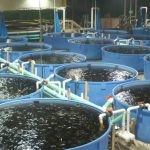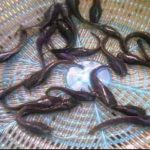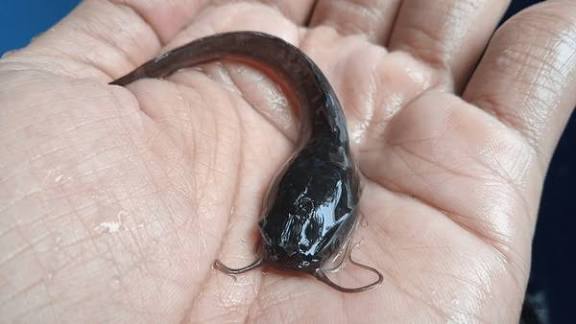

Starting catfish farming in Nigeria or anywhere in Africa can be highly profitable, but success begins with proper care of your baby fish (also called fingerlings or fry). One of the most important steps is feeding them correctly from the very first day. Poor feeding at this early stage can lead to stunted growth, weak fish, or even high mortality.
In this guide, you’ll learn how to feed baby catfish for the first time, what type of feed to use, and the best feeding practices for fast and healthy growth — all based on proven aquaculture standards.
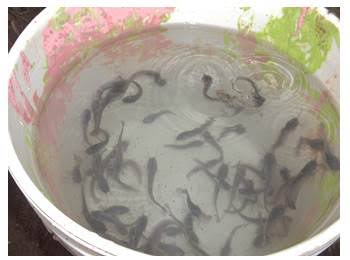
1. Understand the Feeding Stage of Baby Catfish
Baby catfish are usually called:
- Fry: 1–10 days old
- Fingerlings: 10 days to 4 weeks old
During the first few days, they need easily digestible feed with high protein (45–50%) to support fast growth and immunity.
2.What to Feed Baby Catfish First
For the first 3–5 days after hatching, catfish fry feed on their yolk sac. You don’t need to feed them yet. After the yolk sac is absorbed, start feeding with:
- Artificial fish feed (starter feed): Like Coppens, Skretting, or Blue Crown of 0.2–0.5mm size.
- Alternative feeds (if commercial feed is unavailable): Infusoria, egg yolk mixture, or finely ground fish meal.
Tip: The feed should be fine enough for the fry to swallow easily.
3. Feeding Time and Frequency
Feed baby catfish 4–5 times daily in small quantities. At this stage, they eat little but frequently.
Best feeding times:
- 7:00 AM
- 11:00 AM
- 3:00 PM
- 6:00 PM
Avoid overfeeding — excess feed pollutes the water and can kill your fish.
4. Maintain Clean Water
After feeding, remove leftover feed and dirt. Dirty water reduces oxygen and causes stress or disease. Change half of the pond water every 2–3 days (for concrete or plastic ponds).
5. Gradually Increase Feed Size
As the fish grow:
- Move from 0.5mm feed (first 2 weeks) to 1mm feed (from week 3).
- Then to 2mm feed when they become strong fingerlings.
Always ensure the feed size matches their mouth size.
6. Observe Growth and Behavior
Healthy baby catfish are active and respond quickly during feeding. If they become slow or float, check water quality or feed quality immediately.
Bonus Tips for New Catfish Farmers
- Always buy quality fry or fingerlings from a trusted hatchery.
- Use floating feed so you can monitor feeding activity.
- Keep records of feed quantity, time, and fish behavior.
- Avoid feeding during heavy rain or when water is dirty.
Conclusion
Feeding baby catfish the right way from the first day is the foundation of a successful catfish farm. Use high-quality starter feed, feed small and frequent portions, keep water clean, and observe your fish daily. With proper management, your catfish will grow fast, healthy, and ready for the grow-out stage.