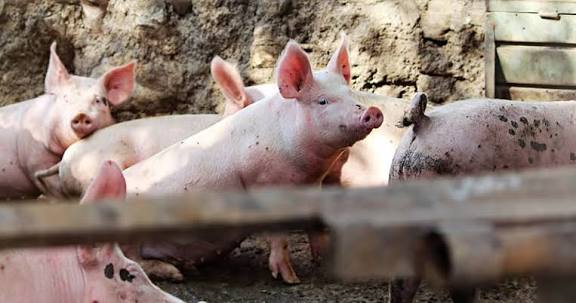
Starting a pig farm in Nigeria can be one of the most profitable agribusiness ventures if done correctly. Pig farming (also known as piggery) provides a steady source of income, high-quality meat (pork), and useful by-products such as manure for crop farming. This guide will educate you as a young farmer on how to plan, start, and successfully manage a pig farm in Nigeria.
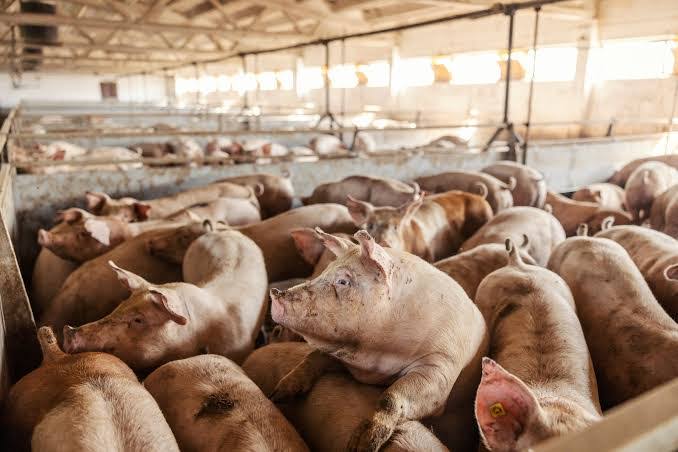
What Is Pig Farming?
Pig farming involves the breeding and rearing of pigs mainly for meat production (pork). Pigs are fast-growing animals that reproduce quickly, making them an excellent choice for farmers seeking quick returns on investment.
Why You Should Start a Pig Farm in Nigeria
Nigeria’s demand for pork is increasing due to population growth, urbanization, and the rise of restaurants, hotels, and food industries that use pork products. Here are some reasons to invest in pig farming:
- High profit margin – Pigs multiply fast and gain weight quickly.
- Low feeding cost – Pigs can feed on agricultural waste and kitchen leftovers.
- Growing market demand – Pork and related products are in high demand.
- By-products – Pig manure can be used as organic fertilizer.
Step-by-Step Plan to Start a Pig Farm in Nigeria
1. Conduct Market Research
Before starting, study the local market. Identify pork consumers, meat sellers, hotels, and processors in your area. Understand what breeds are popular and the selling prices.
2. Choose a Good Location
Your pig farm should be in a well-drained area, away from residential zones due to odor. Accessibility to water, feed supply, and transportation is also important.
3. Build Suitable Pig Housing (Pig Pen)
A good pig pen provides protection from harsh weather and diseases.
Key housing features include:
- Proper ventilation and drainage
- Separate pens for piglets, sows, and boars
- Easy access to feed and water
- Concrete floor for easy cleaning
4. Select Healthy Pig Breeds
Common pig breeds in Nigeria include:
- Large White
- Landrace
- Duroc
- Hampshire
Choose breeds known for fast growth, good feed conversion, and high litter size.
5. Feeding and Nutrition
Feeding is the most important factor in pig farming success.
Pigs need a balanced diet that includes:
- Energy foods (cassava, maize, yam peels)
- Protein sources (soybean meal, fishmeal)
- Minerals and vitamins for growth
Provide clean water at all times to keep pigs healthy.
6. Breeding and Reproduction
A healthy sow can produce 8–12 piglets per litter and can give birth 2–3 times per year. Keep proper breeding records to track performance and avoid inbreeding.
7. Health Management
Work with a veterinarian for vaccinations and regular checkups.
Common pig diseases to watch for include:
- Swine fever
- Foot and mouth disease
- Worm infestations
Maintain farm hygiene and isolate sick pigs immediately.
8. Marketing and Sales
Sell your pigs through:
- Local meat markets
- Pork processors and butchers
- Restaurants and hotels
- Direct sales to consumers
You can also process pork into sausages, bacon, and smoked meat for higher profits.
9. Record Keeping
Keep accurate records of:
- Feeding costs
- Breeding data
- Veterinary expenses
- Sales and profits
Good record keeping helps you track farm performance and plan better.
Estimated Cost and Profit in Pig Farming in Nigeria
| Expense Item | Estimated Cost (₦) |
|---|---|
| Land & Housing | 400,000 – 800,000 |
| Piglets (10) | 200,000 – 300,000 |
| Feed for 6 months | 300,000 – 500,000 |
| Veterinary & Labor | 100,000 – 200,000 |
| Total Cost | ₦1,000,000 – ₦1,800,000 |
After 6–8 months, each mature pig can sell for ₦70,000–₦100,000.
From 10 pigs, you can earn around ₦700,000 – ₦1,000,000 or more per cycle — depending on feed and management.
Tips for Successful Pig Farming in Nigeria
- Start small and expand gradually.
- Use quality breeds and good feeding practices.
- Keep your farm clean to prevent disease.
- Build relationships with buyers early.
- Learn continuously — attend workshops and training.
Final Thoughts
Starting a pig farm in Nigeria requires planning, dedication, and good management. With the right breeds, feeding system, and market strategy, you can build a sustainable and profitable pig farming business that grows year after year.
Leave a Reply