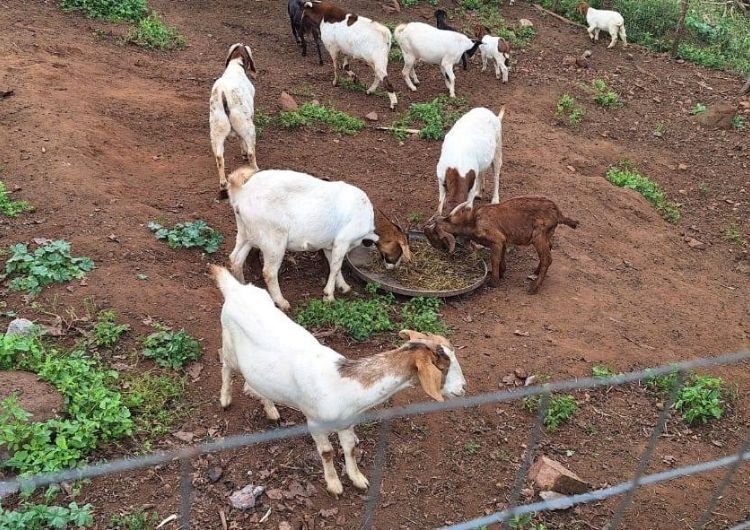
Perfect Feeding Routine for Goats
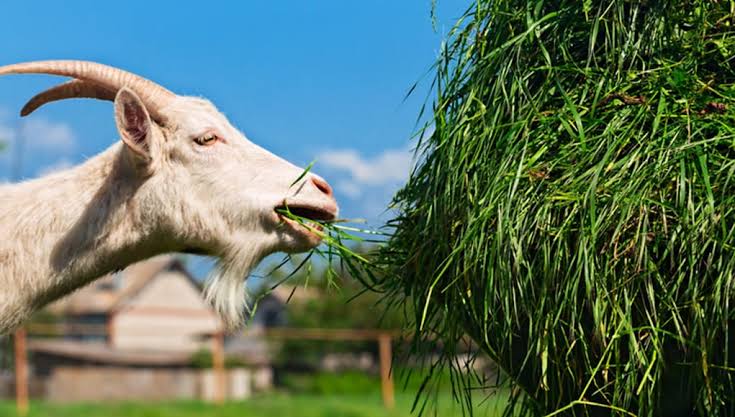
Feeding is one of the most important aspects of successful goat farming. A proper feeding routine helps goats grow faster, stay healthy, reproduce successfully, and produce high-quality meat or milk. Many beginner farmers lose money because they do not feed their goats correctly or consistently.
If you want to build a profitable goat farming business, you must understand what goats eat, when to feed them, and how to provide a balanced diet throughout the year.
Why a Proper Feeding Routine Is Important
A good feeding routine helps to:
- Promote healthy growth.
- Increase body weight.
- Improve fertility and breeding performance.
- Produce healthy kids.
- Strengthen the immune system.
- Reduce disease outbreaks.
- Improve meat and milk production.
- Increase farm profits.
Daily Feeding Routine for Goats
Early Morning (6:00 AM – 8:00 AM)
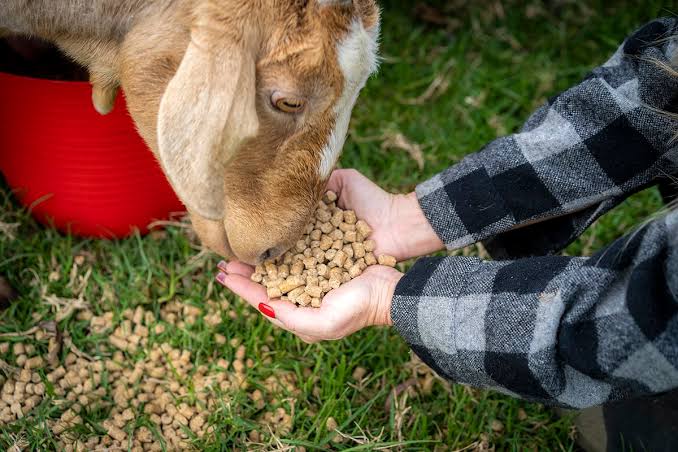
Start the day by providing:
- Fresh, clean drinking water.
- Good-quality hay or fresh grasses.
- Mineral salt lick.
Allow goats to eat before releasing them for grazing.
Morning Grazing (8:00 AM – 12:00 PM)
Take goats to graze where they can feed on:
- Fresh grasses
- Leaves
- Shrubs
- Tree branches
- Legumes
Goats naturally browse on leaves and shrubs, making them efficient feeders.
Afternoon (12:00 PM – 2:00 PM)
Provide clean drinking water and allow the goats to rest in a shaded, well-ventilated shelter during the hottest part of the day.
Evening Feeding (4:00 PM – 6:00 PM)
After grazing, provide supplementary feeds such as:
- Maize bran
- Wheat bran
- Groundnut cake
- Soybean meal
- Commercial goat feed
Also provide fresh forage if available.
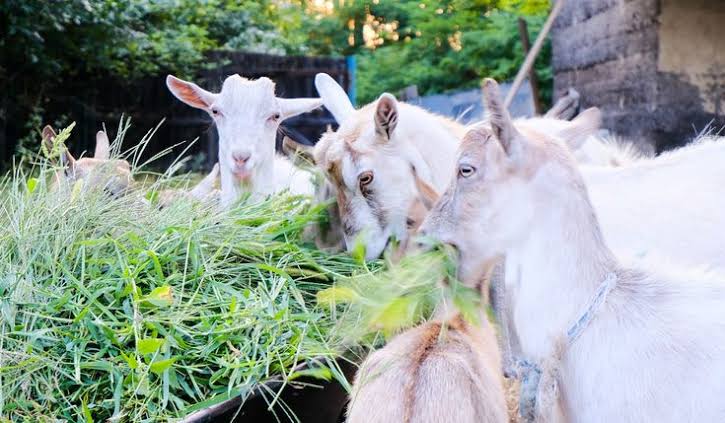
Best Feed for Goats in Nigeria
Young farmers can feed goats using locally available materials, including:
Grasses
- Elephant grass
- Guinea grass
- Carpet grass
- Spear grass
Legumes
- Stylosanthes
- Centrosema
- Lablab
- Cowpea leaves
Tree Leaves
- Gliricidia
- Leucaena
- Moringa
- Neem (in moderation)
Crop Residues
- Maize stalks
- Groundnut haulms
- Bean vines
- Sorghum stalks
Concentrates
- Maize bran
- Wheat bran
- Rice bran
- Palm kernel cake
- Soybean meal
Water Is Essential
Goats should have access to clean, fresh water every day. Water supports digestion, growth, reproduction, and overall health. Never allow goats to drink dirty or stagnant water, as it can lead to disease.
Mineral Supplements
Provide mineral salt licks to supply essential nutrients such as:
- Calcium
- Phosphorus
- Sodium
- Magnesium
- Zinc
Minerals improve bone development, fertility, milk production, and general health.
Feeding Different Types of Goats
Kids (Young Goats)
- Colostrum immediately after birth.
- Mother’s milk for the first few weeks.
- Introduce soft grasses and concentrates gradually.
- Ensure constant access to clean water.
Pregnant Does
Pregnant goats require extra nutrients to support healthy kid development. Feed them high-quality forage, concentrates, minerals, and plenty of clean water.
Lactating Does
Goats producing milk need additional energy and protein. Increase concentrates and provide nutritious forage to maintain milk production and body condition.
Breeding Bucks
Male breeding goats require balanced nutrition to maintain strength, fertility, and healthy body weight. Avoid overfeeding, which can lead to obesity and reduced breeding performance.
Common Feeding Mistakes to Avoid
Avoid these mistakes if you want healthy goats:
- Feeding mouldy or rotten feed.
- Providing dirty drinking water.
- Sudden changes in diet.
- Overfeeding concentrates.
- Underfeeding growing goats.
- Not supplying minerals.
- Allowing goats to eat poisonous plants.
- Feeding at irregular times.
Tips for Successful Goat Feeding
- Feed goats at the same time every day.
- Always provide clean water.
- Store feed in a dry place.
- Rotate grazing areas to maintain pasture quality.
- Plant improved forage crops on your farm.
- Monitor each goat’s body condition regularly.
- Adjust feed according to age, size, and production stage.
Conclusion
A proper feeding routine is the foundation of successful goat farming. Healthy goats grow faster, reproduce better, resist diseases, and generate higher profits. Young farmers should focus on providing quality forage, balanced supplements, clean water, and essential minerals every day. With good feeding practices and proper management, your goat farm can become a productive and profitable business for many years.
Leave a Reply