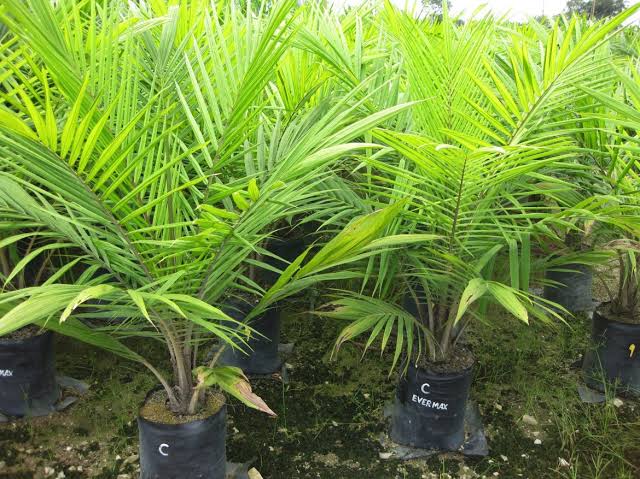
When it comes to oil palm farming, using the right fertilizer is one of the most important steps to achieve high yield and healthy palms. Oil palms are heavy feeders — they require balanced nutrients to grow strong, produce large fresh fruit bunches (FFB), and maintain long-term productivity. In this guide, you’ll learn about the best fertilizer for oil palm, when and how to apply it, and how to maximize your fertilizer investment.
1. Understanding Oil Palm Nutrient Needs
Oil palms need a variety of nutrients throughout their growth stages. The main nutrients are:
- Nitrogen (N): Promotes leaf and stem growth.
- Phosphorus (P): Supports strong root development and early growth.
- Potassium (K): Increases fruit size, oil content, and resistance to drought.
- Magnesium (Mg): Enhances photosynthesis and prevents yellowing leaves.
- Boron (B): Helps flower formation and fruit setting.
A deficiency in any of these nutrients can reduce yield and affect palm health.
2.Best Fertilizers for Oil Palm
Below are the top fertilizers commonly recommended for oil palm plantations:
a. NPK Fertilizer (15-15-15 or 12-12-17+2MgO)
This balanced fertilizer provides Nitrogen, Phosphorus, and Potassium, which are essential for growth and yield.
- Best for: Young oil palms (nursery and early field stage)
- Application rate: 0.5–1 kg per palm per year (split into 3–4 doses)
b. Muriate of Potash (MOP – KCl)
Contains 60% Potassium, vital for fruit development and oil formation.
- Best for: Mature palms (after 3 years)
- Application rate: 2–3 kg per palm per year
c. Urea (46% Nitrogen)
Boosts vegetative growth and improves leaf color.
- Use moderately to avoid leaf burning.
- Best for: Young palms and poor soils
d. Rock Phosphate or Single Super Phosphate (SSP)
Enhances root growth and early palm establishment.
- Best for: Nursery and first year of field planting
e. Magnesium Sulphate or Kieserite
Prevents yellowing leaves and improves photosynthesis.
- Application rate: 0.5–1 kg per palm per year
f. Borax or Borate Fertilizer
Provides Boron, which prevents crown bending and flower deformities.
- Apply in small amounts (10–20 g per palm per year)
3. Best Time to Apply Fertilizer
For best results:
- Apply fertilizer twice a year — at the beginning and end of the rainy season.
- Avoid dry-season application to prevent nutrient loss through evaporation.
- Apply fertilizers around the palm base, 1–2 meters from the trunk, where feeder roots are active.
4. Organic Fertilizers for Oil Palm
To improve soil health and structure, combine inorganic fertilizers with organic options such as:
- Poultry manure
- Compost
- Palm oil mill effluent (POME)
- Cow dung
Organic matter helps retain soil moisture and slowly releases nutrients.
5. Fertilizer Recommendation by Palm Age
| Palm Age | Recommended Fertilizer | Frequency |
|---|---|---|
| Nursery (0–12 months) | NPK 15-15-15 | Every 2 weeks |
| Young palm (1–3 years) | NPK 12-12-17 + Mg + Borax | 3 times/year |
| Mature palm (4+ years) | MOP + Urea + Kieserite + Borax | 2 times/year |
6. Tips for Effective Fertilizer Use
- Test your soil and leaf samples before applying fertilizers.
- Always weed the palm circle before fertilizing.
- Use mulching to conserve soil moisture and improve fertilizer efficiency.
- Avoid fertilizer contact with the palm trunk to prevent damage.
Conclusion
The best fertilizer for oil palm depends on the age of the palm, soil fertility, and local conditions. For most farms, a mix of NPK, MOP, Urea, Magnesium Sulphate, and Borax applied at the right time ensures healthy palms and higher oil yield.
For farmers who want to achieve maximum productivity, combine soil testing, correct fertilizer choice, and proper timing — that’s the key to profitable oil palm farming.
Leave a Reply