Tomato farming is one of the most profitable agricultural ventures in Nigeria. With the right planting techniques, soil preparation, and management, young farmers can achieve a high yield and steady income all year round.
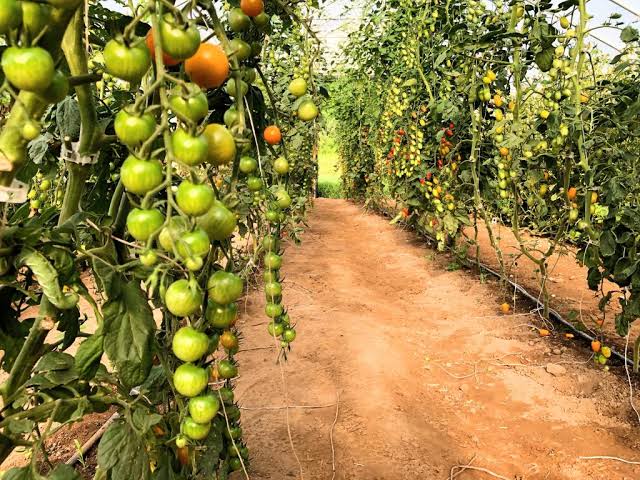
1. Choose the Right Tomato Variety
The first step to successful tomato farming is selecting the right variety suitable for your region and climate.
In Nigeria, some high-yielding and disease-resistant tomato varieties include:
- Roma VF – Suitable for both dry and rainy seasons.
- UC82B – Resistant to common tomato diseases.
- Tropimech – Performs well under hot conditions.
- Carmello and Beske – Ideal for commercial production.
Tip: Always buy certified seeds from trusted agro-dealers to avoid low germination rates.
2. Prepare the Land Properly
Good land preparation promotes healthy tomato growth. Clear the land early and remove weeds, stumps, and debris.
- Plough and harrow the land to make the soil fine and loose.
- Create ridges or beds for easy irrigation and drainage.
- Apply organic manure (like poultry droppings or compost) two weeks before planting to enrich the soil naturally.
3. Start with a Nursery Bed
Tomatoes are best started in a nursery before transplanting.
- Mix topsoil, sand, and organic manure in equal parts.
- Sow the seeds lightly and cover with a thin layer of soil.
- Water daily, but do not overwater.
- Cover the nursery with dry grass or a shade net to protect from direct sunlight and heavy rain.
- After 3–4 weeks, when seedlings are 4–6 inches tall, they are ready for transplanting.
4. Transplanting Tomato Seedlings
Transplant early in the morning or late in the evening to avoid heat stress.
- Spacing should be 50 cm x 60 cm between plants and rows.
- Water the nursery before transplanting to reduce shock.
- Apply NPK 15:15:15 fertilizer one week after transplanting for a healthy start.
5. Apply Fertilizer and Organic Manure
Tomatoes need nutrients to grow well.
- Apply organic manure before planting.
- Add NPK fertilizer two weeks after transplanting.
- Later, use potassium nitrate or urea to boost flowering and fruiting.
- Always follow recommended fertilizer rates to prevent burning the plants.
6. Watering and Irrigation
Tomatoes need regular water, especially during dry seasons.
- Water 2–3 times weekly, depending on soil type.
- Use drip irrigation or watering cans for even water distribution.
- Avoid overwatering, as it can cause root rot.
7. Weed and Pest Control
Weeds compete with tomatoes for nutrients, while pests and diseases can reduce yield.
- Weed manually or with a hoe regularly.
- Apply organic pesticides or insecticides to control pests like aphids, whiteflies, and fruit worms.
- Rotate crops every season to reduce disease buildup.
8. Staking and Pruning
Staking helps tomato plants grow upright and prevents fruits from touching the soil.
- Use bamboo sticks or wires for support.
- Prune excess leaves and side shoots to improve air circulation and light penetration.
9. Harvesting Tomatoes
Tomatoes are ready for harvest 8–12 weeks after transplanting depending on the variety.
- Harvest when fruits turn red or slightly orange.
- Handle carefully to avoid bruising.
- Store in cool, dry conditions or transport immediately to the market.
10. Post-Harvest Handling
Proper handling ensures your tomatoes reach the market fresh.
- Use plastic crates instead of sacks to avoid crushing.
- Keep tomatoes away from direct sunlight after harvest.
- Sort and grade fruits before selling for better market value.
Conclusion
Tomato farming in Nigeria is highly profitable if done correctly. With the right variety, soil preparation, planting methods, and management practices, you can achieve a high yield and good profit as a young farmer.