Brooding Equipment Every Poultry Farmer Must Have: A Complete Guide for Young Poultry Farmers
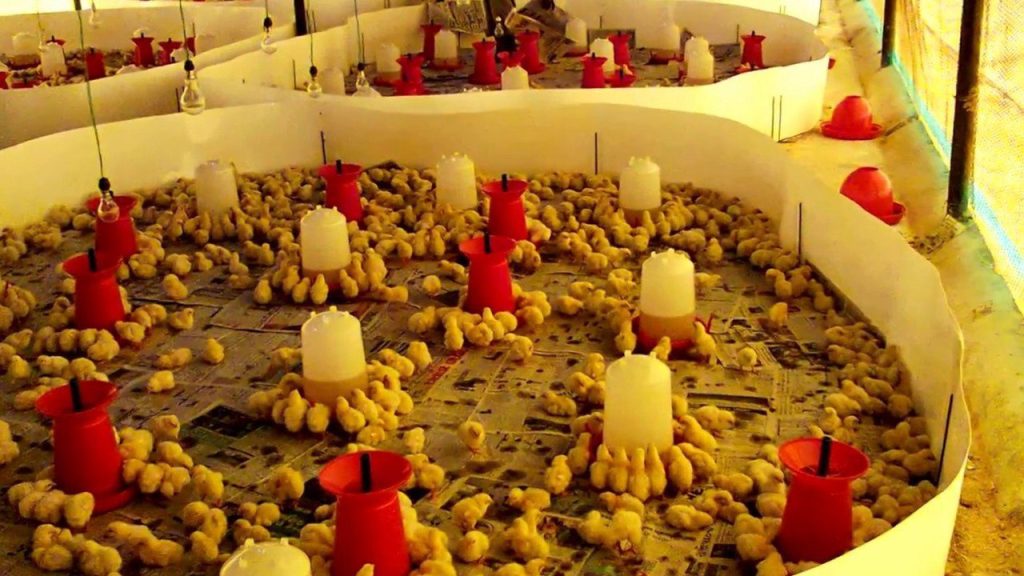
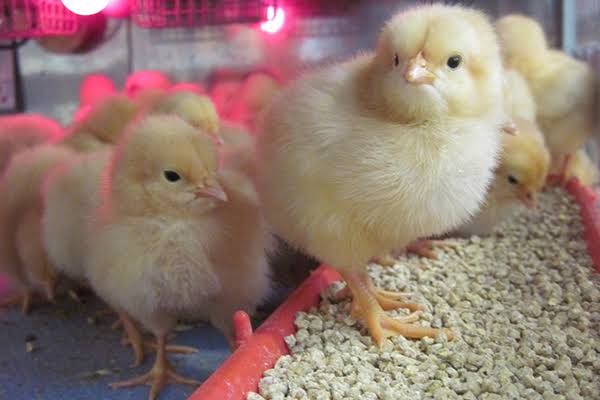
Brooding is one of the most important stages in poultry farming. It is the process of providing day-old chicks with the warmth, care, feed, water, and protection they need during their first few weeks of life. Young chicks cannot regulate their body temperature properly, so they depend on the farmer for survival and healthy growth.
Many beginners entering poultry farming experience high chick mortality because they fail to provide the right brooding equipment. Understanding and preparing these items before chicks arrive can help young poultry farmers build a successful business.
Why Proper Brooding Equipment Is Important
Having the right brooding equipment helps:
- Maintain the correct temperature
- Reduce chick stress
- Prevent diseases
- Improve growth rate
- Reduce mortality
- Increase farm productivity
Below are essential brooding equipment every poultry farmer should have.
1. Brooder or Heat Source
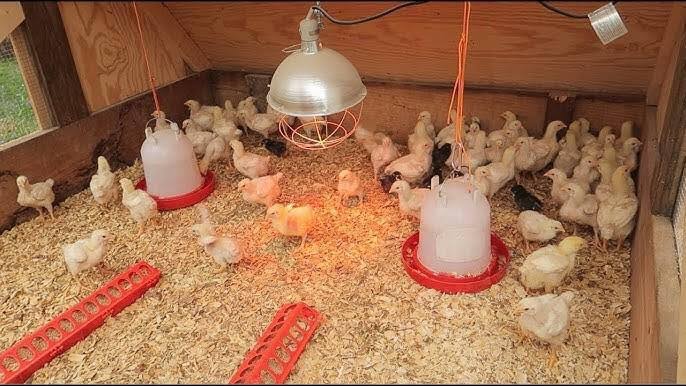
A heat source is one of the most important brooding tools because day-old chicks need warmth.
Examples include:
- Electric bulbs
- Gas brooders
- Infrared heaters
- Charcoal pots (used carefully)
- Kerosene brooders
Without enough heat, chicks may become weak or die from cold stress.
2. Thermometer
A thermometer helps monitor brooding temperature.
Recommended temperature:
- Week 1: 32–35°C
- Week 2: 29–32°C
- Week 3: 26–29°C
Maintaining proper temperature improves chick comfort and growth.
3. Brooder Guard
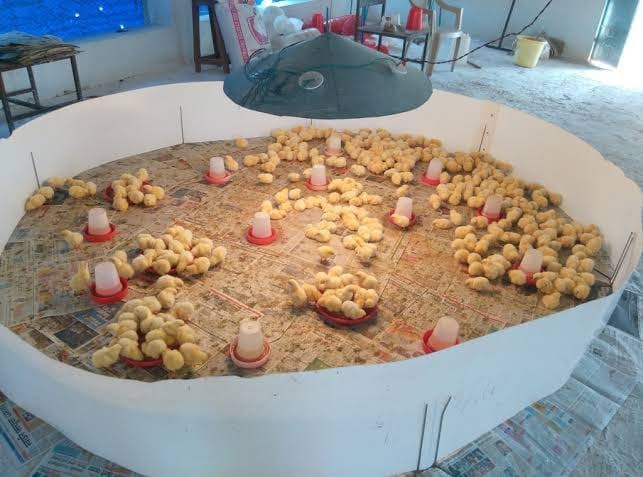
A brooder guard is a circular barrier placed around chicks during the early days.
Benefits include:
- Preventing chicks from moving too far away
- Keeping birds close to heat
- Reducing crowding in corners
4. Feeders
Feeders hold chick feed and reduce waste.
Common types include:
- Plastic feeders
- Tray feeders
- Hanging feeders
Enough feeders should be available so chicks can eat comfortably.
5. Drinkers
Drinkers supply clean water to chicks.
Types include:
- Manual drinkers
- Plastic drinkers
- Automatic drinkers
Water containers should be cleaned regularly.
6. Feed Trays
During the first days, chicks eat more easily from shallow feed trays.
Benefits include:
- Easy access to feed
- Reduced competition
- Better feeding behavior
7. Litter Materials
Litter materials cover the floor of the poultry house.
Examples:
- Wood shavings
- Rice husks
- Sawdust
Good litter helps:
- Absorb moisture
- Keep chicks comfortable
- Reduce disease spread
8. Lighting Equipment
Chicks need proper lighting, especially during their first days.
Benefits:
- Helps chicks find feed and water
- Encourages feeding activity
- Improves growth
9. Curtains
Curtains help regulate airflow.
Functions include:
- Preventing cold wind
- Controlling temperature
- Protecting chicks during harsh weather
10. Water Storage Containers
Farmers should have enough water storage facilities.
Benefits:
- Prevent water shortages
- Ensure constant water availability
11. Disinfectants
Disinfectants help maintain farm hygiene.
Uses:
- Cleaning equipment
- Sanitizing poultry houses
- Reducing disease risks
12. Footbath
A footbath containing disinfectant should be placed at the poultry house entrance.
Benefits:
- Prevents diseases from entering the farm
- Improves biosecurity
13. Record Book
Every poultry farmer should maintain records.
Important records include:
- Number of chicks
- Feed usage
- Vaccination dates
- Mortality rate
- Expenses
Good record keeping helps improve farm management.
Common Mistakes Beginners Should Avoid
Young poultry farmers should avoid:
- Overheating or underheating chicks
- Using dirty equipment
- Overcrowding birds
- Providing poor ventilation
- Waiting until chicks arrive before buying equipment
Final Thoughts
Brooding equipment plays a major role in the survival and growth of day-old chicks. Young poultry farmers and beginners should understand that successful poultry farming starts with preparation. Investing in the right equipment creates a healthier environment and improves productivity.
The better the brooding system, the greater the chances of raising strong and healthy birds.
Leave a Reply