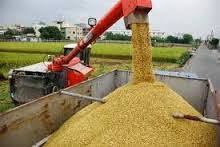
Rice farming in Nigeria is one of the most important agricultural enterprises in the country because rice is now one of the most widely consumed staple foods across all regions. Over the past few decades, rice consumption in Nigeria has increased massively due to population growth, urbanization, and changing food preferences. Today, rice is eaten almost daily in homes, restaurants, hotels, ceremonies, and food businesses, making it one of the most profitable farming ventures in the country.
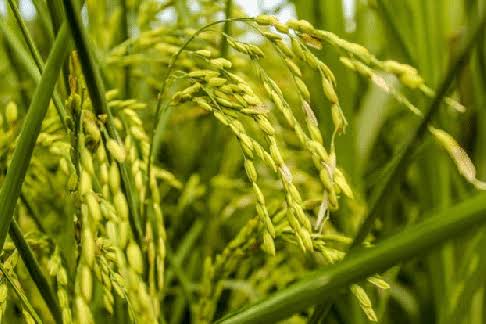
Nigeria is one of the largest consumers of rice in Africa, but local production has historically been unable to meet demand. This gap has created a strong opportunity for local farmers and investors in rice production. As a result, rice farming in Nigeria has become a key focus of government agricultural policies, private sector investment, and agribusiness development programs.
Rice farming is not just about planting and harvesting; it is a complete value chain that includes land preparation, irrigation, seed selection, cultivation, harvesting, processing, milling, packaging, and marketing. Farmers who understand this full value chain often achieve higher profitability compared to those who focus only on production.
Why Rice Farming is Important in Nigeria
Rice farming plays a major role in Nigeria’s food security and economic development. It reduces dependence on imported rice, creates employment opportunities, and supports rural development.
One of the biggest reasons rice farming is important is because of the massive demand-supply gap in the country. Even with local production increasing, Nigeria still imports rice to meet consumption needs. This makes rice farming a highly attractive agribusiness opportunity.
Rice farming also supports thousands of jobs across the value chain. People are employed in farming, processing, milling, transportation, packaging, distribution, and retailing. This makes rice one of the most impactful agricultural commodities in Nigeria.
Best Conditions for Rice Farming in Nigeria
Rice is a water-intensive crop, and its success depends heavily on environmental conditions. The best conditions for rice farming include:
- Abundant water supply or irrigation systems
- Clay or loamy soil that retains water
- Flat or lowland areas (swampy fields are ideal)
- Warm tropical climate
- Proper drainage control
Rice can be grown in different ecological zones in Nigeria, including upland and lowland areas, but lowland rice farming generally produces higher yields due to better water retention.
Types of Rice Farming in Nigeria
There are two major systems of rice farming practiced in Nigeria:
Upland Rice Farming
Upland rice farming is practiced in areas where rainfall is moderate and irrigation is limited. It depends mainly on rainfall and is usually grown on well-drained soils. Although it requires less water management, yields are often lower compared to lowland rice farming.
Lowland Rice Farming
Lowland rice farming is the most common and productive system in Nigeria. It is carried out in swampy areas, floodplains, and irrigated fields. This system allows better water control and usually results in higher yields and better grain quality.
Land Preparation for Rice Farming
Land preparation is one of the most important steps in rice farming. Proper preparation ensures good seed germination, weed control, and high productivity.
Farmers typically:
- Clear vegetation and remove debris
- Plough and level the land
- Construct bunds to retain water
- Prepare seedbeds or direct planting fields
In commercial rice farming, mechanized land preparation using tractors and equipment is becoming more common because it improves efficiency and reduces labor costs.
Rice Planting in Nigeria
Rice can be planted either through direct seeding or transplanting.
Direct Seeding
In direct seeding, rice seeds are planted directly into the prepared field. This method is faster and less labor-intensive but requires good weed control.
Transplanting Method
In transplanting, seedlings are first raised in a nursery and later transferred to the main field. This method often produces higher yields and better plant survival rates.
Proper spacing, planting depth, and timing are very important for successful rice production.
Fertilizer Use in Rice Farming
Rice is a nutrient-demanding crop, and proper fertilizer application is essential for high yield.
Farmers commonly use:
- Nitrogen-based fertilizers (for growth)
- Phosphorus fertilizers (for root development)
- Potassium fertilizers (for grain quality)
- Organic manure (for soil improvement)
Balanced fertilizer use helps improve plant health, increase grain production, and enhance overall farm profitability.
Weed and Pest Control in Rice Farming
Weeds are one of the biggest challenges in rice farming because they compete with rice plants for nutrients and water. Farmers control weeds using:
- Herbicides
- Manual weeding
- Water management techniques
- Improved planting methods
Rice pests and diseases can also affect production. Common pests include stem borers and armyworms, while diseases include rice blast and bacterial blight. Proper farm management and resistant varieties help reduce these risks.
Harvesting Rice
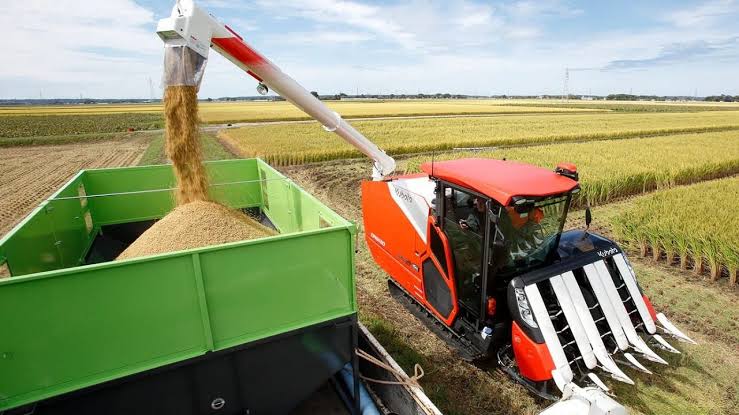
Rice is usually ready for harvest between three to six months depending on the variety and farming system. Harvesting must be done carefully to avoid grain losses.
Farmers harvest rice when the grains turn golden yellow and moisture content is low. Harvesting can be done manually or using machines in large-scale farms.
After harvesting, rice is dried to reduce moisture and prepare it for milling.
Rice Processing and Milling
Rice processing is one of the most profitable parts of the rice value chain. After harvesting, rice goes through several stages:
- Threshing (removing grains from stalks)
- Drying
- Milling (removing husk and bran)
- Polishing
- Packaging
Locally processed rice in Nigeria is becoming more competitive due to improved milling technology and government support for local production.
Profitability of Rice Farming in Nigeria
Rice farming is highly profitable due to strong market demand and government support for local production. Farmers earn income from both raw paddy rice and processed rice products.
Profitability depends on:
- Farm size
- Yield per hectare
- Cost of inputs
- Market price
- Processing efficiency
Farmers who engage in large-scale production and processing often achieve higher profits compared to small-scale producers.
Challenges of Rice Farming in Nigeria
Despite its profitability, rice farming faces several challenges including:
- High cost of inputs (fertilizer, seeds, chemicals)
- Poor irrigation systems
- Limited access to mechanized equipment
- Post-harvest losses
- Inadequate storage facilities
- Climate change and flooding
- Transportation difficulties
These challenges can affect productivity and profitability if not properly managed.
Modern Technology in Rice Farming
Technology is transforming rice farming in Nigeria through:
- Mechanized farming equipment
- Improved seed varieties
- Irrigation systems
- Smart farming techniques
- Digital agricultural platforms
These innovations are helping farmers increase yields, reduce costs, and improve efficiency.
Conclusion
Rice farming in Nigeria remains one of the most profitable and important agricultural businesses due to high domestic demand, government support, and expanding market opportunities. With proper land preparation, improved seed varieties, effective fertilizer use, and modern farming techniques, rice farmers can achieve high productivity and strong financial returns.
As Nigeria continues to reduce rice imports and promote local production, rice farming will remain a key driver of agricultural growth, food security, and rural development.
Leave a Reply