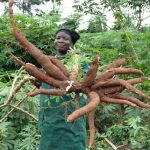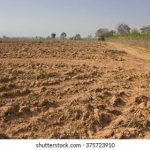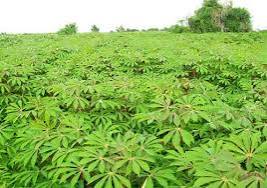

Cassava is one of Nigeria’s most important food and cash crops, grown in almost every state. However, cassava planting practices differ across various states due to differences in soil type, rainfall, farming culture, and available technology. If you are a farmer planning to go into cassava farming, understanding why these differences exist will help you make better decisions and achieve higher yields.
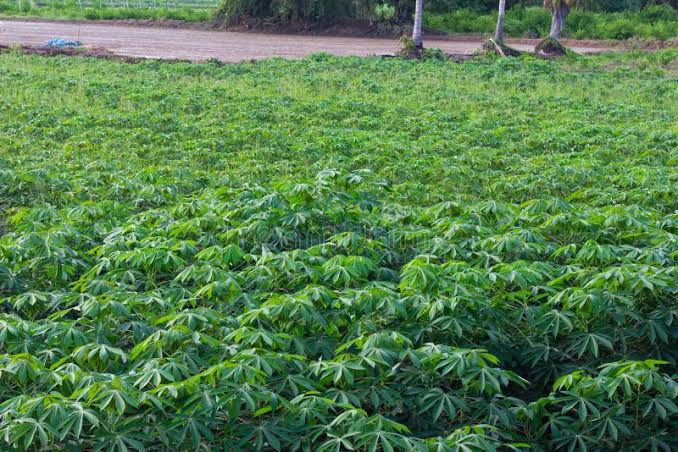
Climate and Rainfall Differences
Nigeria has diverse climatic zones — from the humid rainforest in the south to the drier savanna in the north.
- Southern states like Edo, Delta, and Cross River experience heavy rainfall, so farmers plant cassava earlier (around March–April).
- Northern states like Kaduna and Kogi, with less rainfall, plant later (around May–June) to avoid drought stress.
Tip for farmers:
Always align your cassava planting time with the start of the rainy season in your area for proper root development.
Soil Type and Fertility
Different regions have different soil structures.
- Southwestern Nigeria (Ogun, Oyo, Ondo) — Loamy soil rich in organic matter, ideal for cassava.
- Southeastern Nigeria (Abia, Imo, Enugu) — Clay and lateritic soils, requiring proper tillage and fertilizer application.
- Northern Nigeria (Benue, Taraba) — Sandy loam soils that need organic manure to retain nutrients.
Farmer’s advice:
Before planting, test your soil and apply the right fertilizer (NPK 15:15:15 or organic compost) to boost yield.
Variety of Cassava Grown
Not all cassava varieties perform well everywhere.
- South-south and Southeast Nigeria: Farmers prefer early-maturing and high-starch varieties like TMS 30572 and TME 419.
- North-central and Southwest Nigeria: Farmers grow drought-tolerant varieties like NR 8082 and TMS 98/0581.
Tip:
Choose improved cassava varieties recommended by research institutes like IITA or NRCRI for your region.
Farming Practices and Mechanization
Cassava planting techniques also differ depending on available tools and labor.
- In rural southern areas, most farmers use manual planting with hoes and cutlasses.
- In northern states with larger farmlands, mechanized planting using tractors and ridgers is becoming more common.
Advice:
If you are starting small, manual planting is cost-effective. But for commercial cassava farming, invest in mechanization to save time and labor.
Cultural and Economic Factors
Some states focus on cassava mainly for food (garri, fufu, lafun), while others target industrial uses (starch, ethanol, flour).
- Southern Nigeria: Cassava is a major food source.
- Middle Belt & Northern Nigeria: Cassava is becoming a commercial crop for factories and ethanol production.
Farmer’s tip:
Identify the market demand in your area before planting — whether for food or industrial processing — to maximize profit.
Access to Extension Services and Inputs
States with strong agricultural programs or NGOs provide farmers with training, improved cuttings, and fertilizer support.
For example:
- Oyo and Ogun States have active agricultural extension programs.
- Benue and Kogi benefit from large-scale cassava processing projects.
Advice:
Connect with your state agricultural development program (ADP) or local cooperatives for support and training.
Conclusion
Cassava farming in Nigeria is profitable, but success depends on understanding your state’s unique conditions — from soil and climate to market and variety. There is no one-size-fits-all approach. Study your environment, use improved varieties, and apply modern farming methods to achieve high yields and better profits.