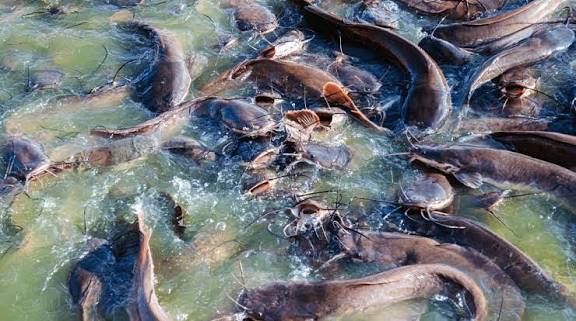

Catfish farming is one of the most profitable agribusinesses in Nigeria today. With the high demand for catfish across homes, hotels, and markets, both small and large-scale farmers can earn a steady income all year round. If you’re a farmer planning to start catfish farming, here’s a full guide to help you understand everything from setup to marketing — based on Nigerian conditions.
1. Understanding Catfish Farming in Nigeria
Catfish farming involves raising catfish in controlled ponds or tanks for commercial purposes. It’s a fast-growing agribusiness in Nigeria due to the country’s favorable climate, availability of feed ingredients, and increasing consumer demand for fish protein.
Catfish are hardy, fast-growing, and can adapt to different environments, making them ideal for both rural and urban farmers.
2. Benefits of Catfish Farming
- High Market Demand: Catfish are popular in Nigerian restaurants, bars, and homes.
- Quick Returns: Catfish reach market size within 4–6 months.
- Low Mortality Rate: With proper management, catfish survival rates are high.
- Job Creation: Provides employment for youths and women in fish production, processing, and marketing.
- Export Potential: Dried and smoked catfish are in high demand abroad.
3. Key Requirements for Starting Catfish Farming in Nigeria
Before starting, prepare the following:
a. Land and Pond Setup
You can use concrete ponds, earthen ponds, or plastic tanks depending on your budget.
- Concrete ponds: Easy to manage and durable.
- Earthen ponds: Cheaper and more natural for catfish growth.
- Plastic tanks: Suitable for small-scale or urban farming.
Ensure your pond has a steady water source and proper drainage system to maintain water quality.
b. Water Quality
Catfish grow best in clean, oxygenated, and non-polluted water. The pH level should be between 6.5 and 8.0.
c. Fingerlings or Juveniles
Buy healthy fingerlings or juveniles from a trusted hatchery. Starting with weak or diseased stock can affect your entire production.
d. Feeds and Feeding
Feed accounts for over 70% of total production cost.
You can use:
- Commercial feeds (Coppens, Skretting, Blue Crown, etc.)
- Local feeds (made from maize, soybeans, fish meal, groundnut cake, etc.)
Feed 2–3 times daily, and avoid overfeeding to prevent water pollution.
e. Farm Management
Monitor your pond regularly for signs of disease, oxygen shortage, or water contamination. Maintain good hygiene and ensure proper record-keeping of feed intake and fish growth.
4. Common Catfish Diseases and Prevention
- Fungal infections: Caused by dirty water — prevent with regular cleaning.
- Bacterial infections: Treat with recommended antibiotics.
- Parasitic infections: Use salt baths or medicated feed.
Regular pond maintenance and water change are key to preventing diseases.

5. Harvesting and Marketing
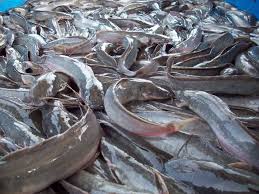
Catfish can be harvested at 4–6 months depending on your target market size.
- Live catfish: Sold to restaurants and bars.
- Processed catfish (smoked or dried): Sold in markets or exported.
To get better profits, establish relationships with buyers before harvest time.
6. Profitability of Catfish Farming in Nigeria
A small-scale farmer with one pond of 1,000 catfish can earn between ₦300,000 – ₦600,000 profit per cycle, depending on feed cost, survival rate, and market price.
The business is scalable, meaning you can expand with more ponds as your capital grows.
7. Challenges in Catfish Farming
- High cost of feeds
- Poor water management
- Lack of technical knowledge
- Market fluctuations
To overcome these challenges, attend training programs, follow best practices, and join fish farmers’ associations for support.
8. Final Tips for Success
- Start small and learn before expanding.
- Always buy healthy fingerlings.
- Maintain clean water at all times.
- Keep proper records of expenses and harvests.
- Network with other fish farmers to gain experience and access new markets.
Conclusion
Catfish farming in Nigeria is a profitable agribusiness when managed properly. With the right knowledge, setup, and commitment, any farmer can build a successful fish farm that provides steady income and contributes to food security.