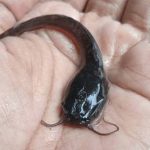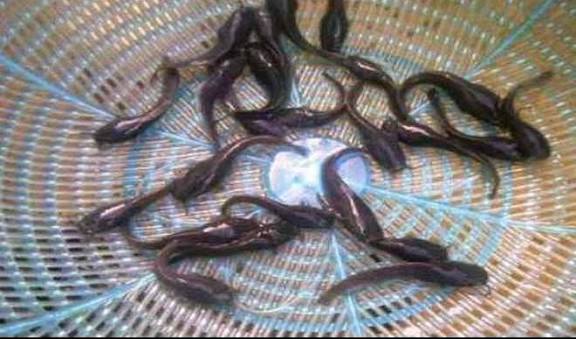

Hatching catfish is one of the most important stages in catfish farming. Every successful catfish farm starts with proper hatching — from selecting healthy broodstock to managing the right water temperature and providing the ideal environment for the fry (baby catfish).
If you want to reduce the cost of buying fingerlings and improve your profit margin, learning how to hatch your own catfish is a smart decision. This guide will walk you through the step-by-step process of catfish hatching in Nigeria.
Step 1: Select Healthy Broodstock
The success of hatching begins with your broodstock (mature male and female catfish used for breeding).
Tips for choosing broodstock:
- Choose catfish that are 8–12 months old and weigh 1–2 kg each.
- Make sure they are healthy, active, and well-fed.
- Avoid using catfish with physical deformities or diseases.
- Feed them quality feed for 2–3 weeks before breeding to improve fertility.
Step 2: Prepare Your Hatching Facility
Set up a hatching tank or concrete pond in a clean, well-ventilated area.
Requirements:
- Use clean freshwater free from chlorine and chemicals.
- Maintain water temperature between 26°C and 30°C.
- Install aerators or air stones to ensure proper oxygen supply.
- Disinfect all equipment before use.
A good hatching setup helps the eggs hatch quickly and improves survival rate.
Step 3: Induce the Female Catfish (Hormone Injection)
To make the female catfish release eggs, you’ll need to inject it with hormones (commonly Ovaprim or Ovatide).
Procedure:
- Measure the dose according to the fish’s body weight (usually 0.5 ml/kg).
- Inject the hormone into the muscle near the dorsal fin.
- Keep the fish in a calm tank for 10–12 hours to allow ovulation.
Step 4: Extract Eggs and Milt (Stripping)
Once the female is ready, carefully strip the eggs by pressing the belly gently into a clean bowl.
Then, sacrifice the male and collect its milt (sperm) by cutting the testes.
Mix the eggs and milt together gently for fertilization.
Step 5: Incubate the Fertilized Eggs
Spread the fertilized eggs evenly on spawning nets or mosquito mesh placed inside the hatching tank.
Important conditions:
- Maintain water temperature between 26°C–30°C.
- Ensure constant aeration.
- The eggs will hatch in 24–48 hours.
During this period, avoid disturbing the setup.
Step 6: Care for the Newly Hatched Fry
After hatching, you’ll see tiny baby catfish (called fry).
Care tips:
- Remove dead eggs and dirt immediately to prevent infection.
- After 3–4 days, start feeding them infusoria or artemia (tiny live food).
- Gradually introduce crushed catfish feed as they grow.
- Maintain clean water always — poor water quality can kill fry quickly.
Step 7: Transfer Fry to Nursery Pond
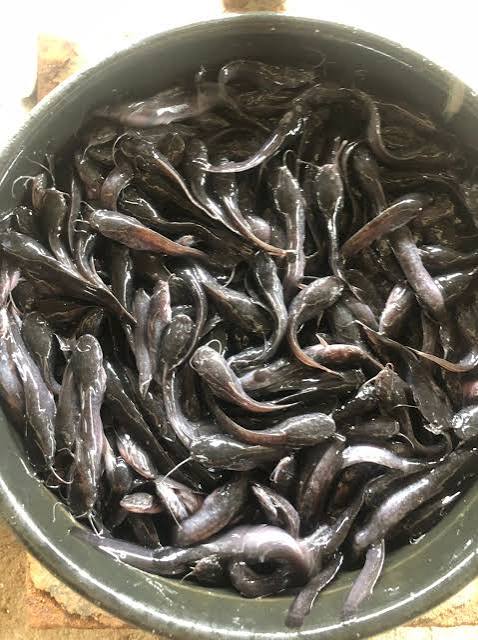
After about 2–3 weeks, the fry will grow into fingerlings.
At this stage, you can transfer them into a nursery pond for further growth before selling or stocking your main pond.
Pro Tips for Successful Catfish Hatching
- Always keep your hatchery clean and well-aerated.
- Monitor temperature and pH regularly.
- Avoid overcrowding in the hatching tank.
- Use high-quality hormones and feed.
- Record every breeding activity for future reference.
Conclusion
Learning how to hatch your catfish gives you more control over your farming process and reduces your production costs. With proper training, clean water, and healthy broodstock, you can achieve a high hatch rate and grow your catfish business successfully in Nigeria.
By following these simple steps, you’re not just a catfish farmer — you’re becoming a catfish hatchery expert.