
As a poultry farmer, knowing when to switch from starter to grower feed is one of the most important steps in raising healthy and productive birds. The type of feed you give your chickens at each stage directly affects their growth rate, body development, and overall performance. In this article, you’ll learn the right time to switch from starter to grower feed, how to do it correctly, and why it matters for your poultry business.
Understanding Poultry Feed Stages
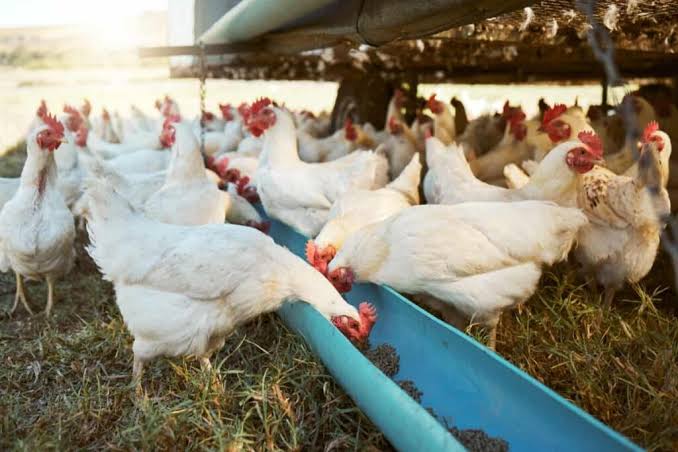
Poultry feed is divided into three main stages:
- Starter Feed: For chicks from day-old to 6–8 weeks.
- Grower Feed: For growing birds from 6–8 weeks to 18–20 weeks (for layers) or until market weight (for broilers).
- Finisher or Layer Feed: For mature birds ready for egg production or sale.
Each feed type contains specific nutrients designed to meet the bird’s needs at each growth phase.
When to Switch from Starter to Grower Feed
The best time to switch from starter feed to grower feed depends on the age and weight of your birds:
- For Broilers:
Switch at 3 to 4 weeks old when the chicks weigh around 500–700 grams. At this stage, they need more protein for muscle and body development. - For Layers (Pullets):
Switch at 6 to 8 weeks old when the birds have grown strong enough and can digest lower-protein feed. Layer grower feed helps prepare their bodies for future egg production.
Nutritional Difference Between Starter and Grower Feed
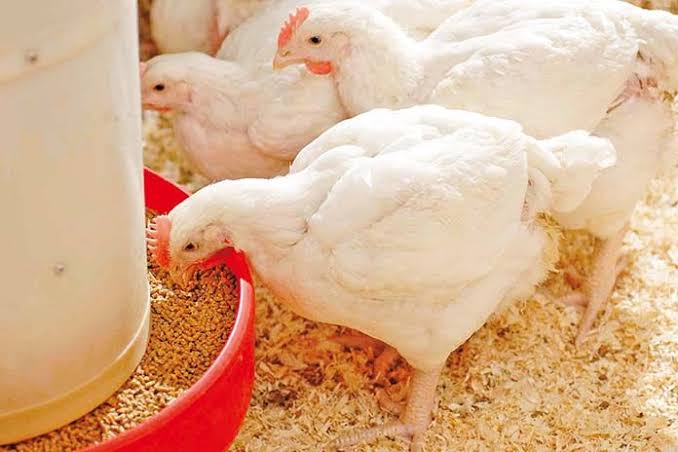
| Feed Type | Protein Content | Purpose |
|---|---|---|
| Starter Feed | 20–24% | Rapid growth, feather development, and early strength |
| Grower Feed | 16–18% | Balanced growth, body frame development, and reduced fat buildup |
Feeding the right diet at the right stage prevents growth problems, weak bones, and poor production later on.
How to Transition from Starter to Grower Feed
Do not switch the feed suddenly. A gradual transition is best:
- Day 1–2: Mix 75% starter + 25% grower feed
- Day 3–4: Mix 50% starter + 50% grower feed
- Day 5–6: Mix 25% starter + 75% grower feed
- Day 7: 100% grower feed
This gradual change helps birds adjust without stress or digestive issues.
Why the Timing Matters
Switching too early or too late can affect your flock’s growth:
- Switching too early reduces protein intake, leading to stunted growth.
- Switching too late increases feed cost and causes excessive fat buildup.
Correct timing ensures:
Healthy body structure
Better feed efficiency
Improve weight gain
Strong immunity
Tips for Poultry Farmers
- Always buy quality feeds from certified feed mills.
- Provide clean water at all times.
- Maintain good housing and temperature control.
- Monitor the birds’ weight weekly to guide your feeding decisions.
- Consult a veterinarian or poultry nutritionist for customized feeding programs.
Conclusion
Knowing when to switch from starter to grower feed is key to poultry success. For most chickens, the ideal switch happens between 3 to 8 weeks, depending on the breed. By following proper feeding stages and transitioning gradually, you’ll raise healthy, fast-growing birds that yield better profit for your farm.