Poultry Diseases and Treatments: A Practical Guide for Young Poultry Farmers
Keeping chickens healthy is one of the most important responsibilities of a poultry farmer. A disease outbreak can spread quickly through a flock, causing poor growth, reduced egg production, high treatment costs and sudden deaths.
For a young poultry farmer, the most important skill is not simply knowing the name of a disease, but recognizing warning signs early and taking the correct first steps.
This guide explains common poultry health problems, their possible causes, signs to watch for, prevention and what to do when you notice them.
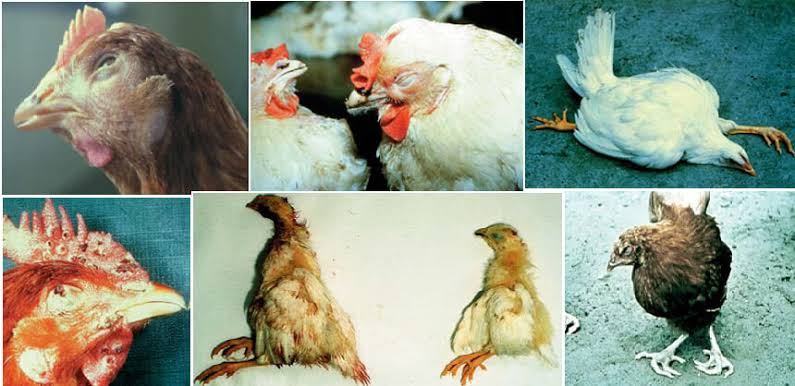
Important: Similar symptoms can be caused by different diseases. Avoid giving antibiotics or other medicines blindly. Where deaths are occurring rapidly, birds have severe neurological signs, or the diagnosis is uncertain, contact a poultry veterinarian or animal-health professional.
Why Are My Chickens Dying Suddenly?
Sudden deaths can have several causes. Some infectious diseases can kill birds quickly, while heat stress, poisoning, poor ventilation, contaminated water or feed problems can also cause rapid losses.
Possible causes include:
- Newcastle disease
- Fowl cholera
- Fowl typhoid
- Severe coccidiosis
- Gumboro disease
- Poisoning or contaminated feed
- Extreme heat stress
- Poor ventilation
- Sudden water interruption
- Severe bacterial infections
What should you do first?
Separate sick birds from healthy birds where practical, remove dead birds safely, provide clean drinking water and check feed, ventilation, temperature and housing conditions.
Do not immediately assume that every sudden death is Newcastle disease. A proper diagnosis is important because treatment depends on the actual cause.
Chicken Green Droppings: What Does It Mean?
Green droppings can occur when chickens are eating less than normal because bile becomes more noticeable in their droppings. They may also occur with certain infections and other health problems.
Green droppings alone do not confirm one particular disease.
Check whether the birds also have:
- Loss of appetite
- Weakness
- Weight loss
- Respiratory problems
- Depression
- Reduced water intake
- Sudden deaths
- Abnormal temperature or behavior
If several birds develop green droppings together, especially with weakness or deaths, seek professional help to determine the cause.
White Diarrhoea in Chickens
White or whitish diarrhea may be associated with intestinal problems, infection, stress or problems involving young chicks.
Young chicks with persistent white diarrhea, pasted vents, weakness and poor growth need immediate attention.
What to do
Keep the brooder and litter clean, provide fresh water and isolate visibly sick birds where possible. Avoid treating every case with antibiotics without knowing the cause.
Good hygiene, proper brooding and biosecurity are important in preventing many digestive diseases.
Bloody Diarrhoea in Chickens
Blood in chicken droppings is a serious warning sign. Coccidiosis is an important possible cause, particularly in young birds, but other intestinal problems can also produce abnormal droppings.
Signs may include:
- Bloody or dark droppings
- Weakness
- Loss of appetite
- Ruffled feathers
- Weight loss
- Pale appearance
- Deaths in severe cases
Coccidiosis Treatment and Prevention
Coccidiosis is caused by microscopic parasites that damage the intestinal tract.
Treatment should be based on the suspected or confirmed coccidia problem and the product’s approved directions. Poultry farmers should avoid randomly combining medications.
Prevention includes:
- Keeping litter dry
- Preventing overcrowding
- Cleaning drinkers regularly
- Avoiding feed and water contamination
- Maintaining good house hygiene
- Following an appropriate farm disease-control programme
If several birds have bloody diarrhea or deaths, get veterinary advice promptly.
Chicken Coughing and Sneezing
Coughing, sneezing and noisy breathing can indicate a respiratory problem.
Possible causes include:
- Newcastle disease
- Infectious bronchitis
- Mycoplasma-associated respiratory disease
- Poor ventilation
- Dust
- Ammonia buildup
- Other respiratory infections
Look at the entire flock rather than treating the symptom alone.
What should a farmer check?
Check ventilation, dust levels, ammonia smell, stocking density and recent changes in the flock.
If birds are coughing and deaths are occurring, isolate affected birds where practical and contact an animal-health professional. Antibiotics will not cure viral diseases.
Chicken Not Eating and Looking Weak
A chicken that stops eating and becomes weak should never be ignored.
Possible causes include:
- Infection
- Parasites
- Heat stress
- Poor-quality feed
- Mycotoxins or contaminated feed
- Water problems
- Injury
- Nutritional deficiencies
- Severe intestinal disease
Check whether the bird is drinking, passing droppings and moving normally.
Also inspect the flock’s feed and water. Sometimes the problem affects the whole flock because of contaminated feed, poor water quality or environmental stress.
Newcastle Disease Symptoms in Chickens
Newcastle disease is a serious viral disease of poultry and can cause major losses.
Possible signs include:
- Respiratory problems
- Coughing and sneezing
- Depression
- Loss of appetite
- Diarrhea
- Nervous signs
- Twisted neck
- Difficulty walking
- Paralysis
- Sudden deaths
There is no simple medicine that cures Newcastle disease. Antibiotics do not kill the Newcastle virus, although a veterinarian may recommend supportive measures or treatment of secondary bacterial problems.
Newcastle Disease Prevention
Vaccination and biosecurity are major tools for prevention.
Young farmers should follow a vaccination programme appropriate for their location, bird type and production system, preferably developed with a poultry veterinarian or qualified animal-health professional.
Avoid bringing birds from unknown sources directly into your flock.
Gumboro Disease: Treatment and Prevention
Gumboro disease, also called infectious bursal disease, mainly affects young chickens and can cause severe immunosuppression.
Signs may include:
- Depression
- Ruffled feathers
- Watery diarrhea
- Loss of appetite
- Trembling
- Dehydration
- Sudden deaths in severe outbreaks
There is no specific medicine that eliminates the Gumboro virus.
Management focuses on supportive care, preventing dehydration, maintaining good environmental conditions and controlling secondary infections when advised by a veterinarian.
Prevention
Vaccination, biosecurity, proper cleaning and disinfection, and good flock management are important.
Because Gumboro can damage the immune system, prevention is much better than waiting for an outbreak before acting.
Coccidiosis Treatment in Chickens
Coccidiosis is one of the important diseases young poultry farmers should understand.
It is caused by protozoan parasites that multiply in the intestinal tract.
Common signs include:
- Bloody droppings
- Diarrhea
- Poor growth
- Weakness
- Ruffled feathers
- Reduced appetite
- Pale birds
- Death in severe cases
Treatment should use an appropriate anticoccidial according to veterinary advice and the product label.
Farmers should also correct the management problem that allowed the disease to spread. Wet litter, overcrowding and contaminated housing can increase the risk.
Fowl Typhoid: Symptoms and Treatment
Fowl typhoid is a bacterial disease associated with Salmonella Gallinarum.
Signs can include:
- Weakness
- Loss of appetite
- Weight loss
- Diarrhea
- Pale combs
- Reduced egg production
- Increased mortality
Because Salmonella infections can have serious flock and food-safety implications, suspected cases should be investigated professionally.
Do not simply start random antibiotics. Proper diagnosis, biosecurity, flock management and veterinary guidance are important.
Fowl Cholera in Chickens
Fowl cholera is a bacterial disease caused by Pasteurella multocida.
It can cause sudden deaths, especially during severe outbreaks.
Other signs may include:
- Depression
- Loss of appetite
- Diarrhea
- Breathing difficulties
- Swollen wattles or facial tissues
- Reduced production
- Sudden death
Treatment decisions should be made with veterinary guidance because antimicrobial resistance can affect which medicines work.
Long-term prevention requires strong biosecurity, sanitation and control of sources of infection.
Swollen Face in Chickens
A swollen face can have several causes.
Possible causes include:
- Sinus or respiratory infection
- Infectious coryza
- Mycoplasma-associated disease
- Fowl cholera
- Eye infection
- Injury
- Other bacterial infections
Look for additional symptoms such as nasal discharge, foul smell, sneezing, watery eyes or breathing difficulty.
Because several diseases can produce facial swelling, treatment should be based on the likely cause rather than simply treating the swelling.
Twisted Neck in Chickens
A twisted neck is called torticollis and is a symptom rather than a disease itself.
Possible causes include:
- Newcastle disease
- Nutritional problems
- Vitamin deficiencies
- Nervous-system disorders
- Injury
- Toxins
- Other infections
If one bird develops a twisted neck, examine it carefully. If several birds develop the same neurological signs, especially alongside diarrhea, respiratory symptoms or deaths, treat it as an urgent flock-health problem and seek veterinary assistance.
Chicken Paralysis: Possible Causes
Paralysis or difficulty standing can result from several problems.
Possible causes include:
- Marek’s disease
- Newcastle disease
- Nutritional deficiencies
- Injury
- Toxins
- Severe weakness
- Certain infections
The age of the bird, which legs are affected, how the bird behaves and whether other birds are sick can help a professional narrow down the cause.
Do not assume that paralysis automatically means one particular disease.
Why Are My Broilers Dying at 3 Weeks?
Three-week-old broilers are still vulnerable to several health and management problems.
Possible causes include:
- Coccidiosis
- Gumboro disease
- Newcastle disease
- Bacterial infections
- Poor brooding
- Poor ventilation
- Overcrowding
- Wet litter
- Contaminated water
- Poor-quality or contaminated feed
- Sudden environmental stress
If several broilers start dying around the same time, investigate the whole flock.
Check:
- Feed intake
- Water availability
- Droppings
- Litter condition
- House temperature
- Ventilation
- Vaccination history
- Stocking density
- Recent medication
- Number and pattern of deaths
This information can help a veterinarian identify the likely problem more quickly.
How Young Poultry Farmers Can Prevent Disease
Disease prevention starts before chickens become sick.
1. Buy healthy chicks
Purchase chicks from reliable hatcheries or suppliers with good health-management practices.
2. Keep clean water available
Dirty drinkers can become a major source of contamination. Clean drinkers regularly and ensure birds have adequate water.
3. Keep litter dry
Wet litter encourages the spread of pathogens and increases problems such as coccidiosis and respiratory irritation.
4. Avoid overcrowding
Too many birds in a small space increase stress, contamination and disease transmission.
5. Provide good ventilation
Fresh air is important. Poor ventilation can increase dust and ammonia and make respiratory problems worse.
6. Follow vaccination programmes
Vaccines are an important part of preventing major poultry diseases. Follow a programme appropriate for your birds and local disease risks.
7. Control visitors
Limit unnecessary visitors and avoid allowing people who have recently visited other poultry farms to enter without appropriate biosecurity measures.
8. Quarantine new birds
Do not immediately mix newly purchased birds with an established flock.
9. Remove dead birds safely
Dead birds should be removed promptly and disposed of safely according to local veterinary and environmental guidance.
10. Keep records
Record vaccination, medication, feed consumption, mortality, symptoms and unusual changes in the flock.
Good records can help you identify problems early.
When Should a Poultry Farmer Call a Veterinarian?
Get professional help when:
- Several birds suddenly die.
- Deaths continue despite your initial management measures.
- Birds show neurological signs such as twisting of the neck or paralysis.
- There is severe bloody diarrhea.
- Many birds stop eating or drinking.
- There are serious respiratory symptoms across the flock.
- You suspect Newcastle disease or another contagious disease.
- You are unsure which medication is appropriate.
Final Advice for Young Poultry Farmers
The biggest mistake a young poultry farmer can make is waiting until many chickens are sick before taking action.
Learn to observe your birds every day. Check their appetite, water consumption, droppings, activity, breathing, growth and mortality.
Most importantly, do not use antibiotics or other medicines simply because a chicken looks sick. Different diseases can produce similar symptoms, and some important poultry diseases are viral and cannot be cured with antibiotics.
Early detection + good hygiene + proper vaccination + biosecurity + correct diagnosis = healthier chickens and fewer losses.
If you are unsure about a disease, collect useful information such as the birds’ age, symptoms, number of affected birds, number of deaths, vaccination history, feed and recent management changes. This will make it easier for a poultry veterinarian or animal-health professional to help you.
Leave a Reply