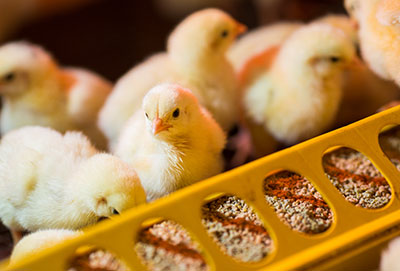
Chick Feeding: Complete Feeding Guide for Young Chicken Farmers
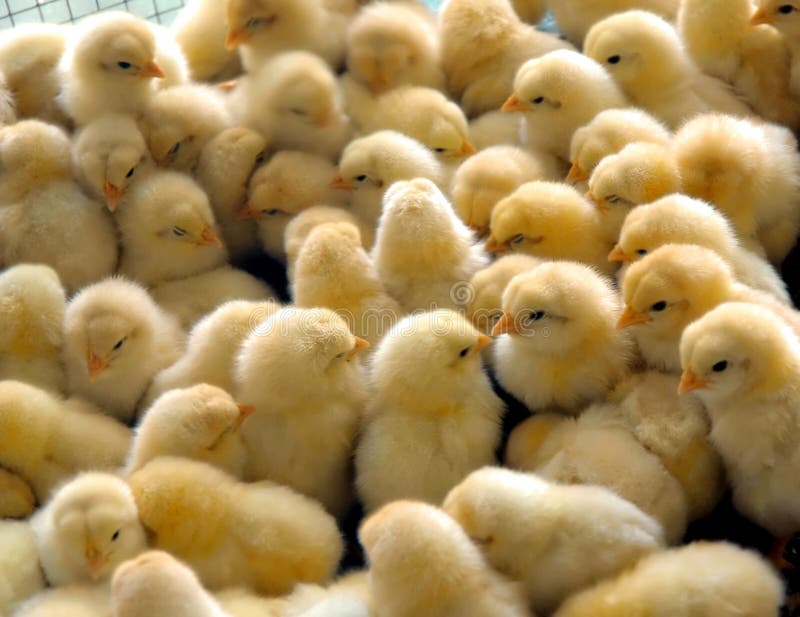
Proper feeding during the first few weeks of life is one of the most important factors in raising healthy chickens. Day-old chicks grow very quickly, so they need nutritious feed, clean water and good feeding management from the moment they arrive on the farm.
Poor feeding can lead to slow growth, weak chicks, poor feather development, disease problems and high mortality. This guide explains what young chicken farmers need to know about feeding chicks.
1. What to Feed Day-Old Chicks
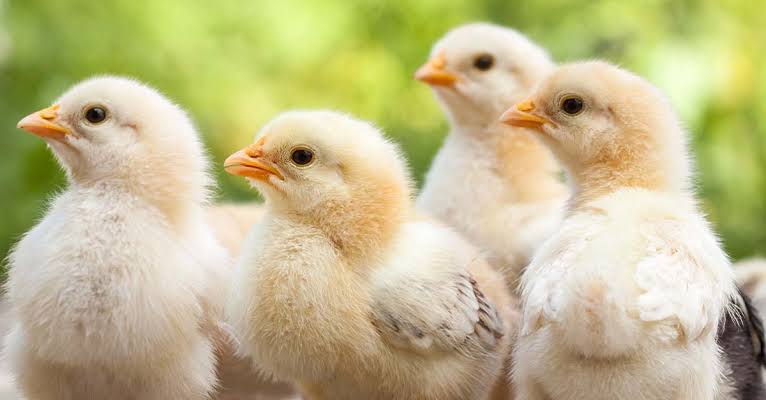
Day-old chicks should normally be given a good-quality chick starter feed immediately after arrival.
Starter feed is specially formulated to provide the high levels of protein, energy, vitamins and minerals that young chicks need for rapid growth.
When chicks arrive:
- Provide clean drinking water first.
- Give them access to fresh chick starter feed.
- Make sure feeders are easy for small chicks to reach.
- Keep feed dry and clean.
- Avoid feeding mouldy, wet or contaminated feed.
- Observe the chicks to make sure they are eating and drinking.
For commercial poultry production, properly formulated commercial starter feed is generally safer and more consistent than trying to formulate a complete diet yourself.
2. Chick Starter Feed
Chick starter feed is designed for the early growth stage of chickens.
It usually contains ingredients such as maize or other energy sources, soybean meal or other protein sources, minerals, vitamins and other nutrients.
The exact nutrient requirements depend on the type of chicken. Broilers, layers and other breeds may have different feeding programmes.
A farmer should therefore buy feed specifically intended for the type and age of birds being raised.
Always check:
- Feed type
- Manufacturing date
- Expiry or recommended use period
- Protein and energy specifications
- Storage condition
- Whether the bag is properly sealed
- Whether the feed has a normal smell and appearance
Avoid buying feed that is damp, mouldy or has been poorly stored.
3. How Much Do Chicks Eat Per Day?
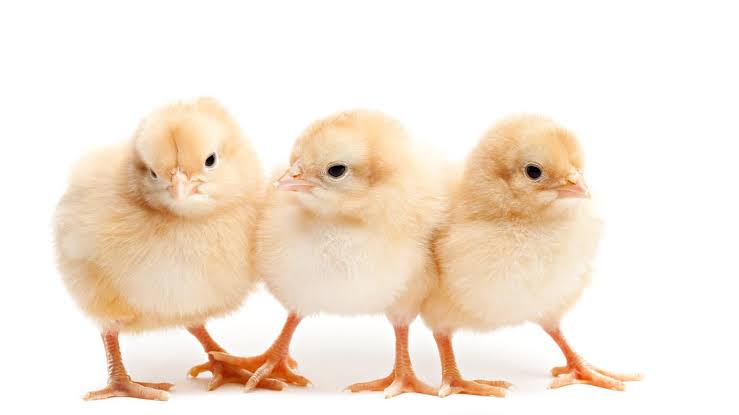
There is no single amount that applies to every chick because feed intake changes with age, breed, weather, health and the type of feed being used.
As chicks grow, their daily feed consumption increases.
Instead of trying to force chicks to eat a fixed quantity, farmers should provide enough fresh feed and monitor consumption.
A useful management method is to:
- Measure the amount of feed given.
- Measure or estimate what remains.
- Monitor the number of birds.
- Observe growth and body condition.
- Adjust feeding according to the birds’ age and the manufacturer’s feeding guide.
Feed should be available frequently enough that healthy chicks can eat when they need it, but excessive feed wastage should also be avoided.
4. Homemade Chick Feed
Some farmers consider making chicken feed at home to reduce costs. This can work when the farmer has the knowledge, correct ingredients and proper equipment to formulate a nutritionally balanced ration.
However, homemade feed can be risky for day-old chicks if nutrients are not correctly balanced.
Young chicks require appropriate levels of:
- Protein
- Energy
- Essential amino acids
- Calcium
- Phosphorus
- Sodium
- Vitamins
- Trace minerals
Simply mixing maize, soybean and other ingredients does not automatically produce a complete chick feed.
For a small or inexperienced farmer, a reliable commercial chick starter feed is often the safer option.
5. How to Make Chicken Feed at Home
If you want to formulate feed yourself, it is better to work with a poultry nutritionist or an experienced feed formulator.
Common feed ingredients can include:
- Maize
- Soybean meal
- Fish meal or other approved protein sources
- Wheat or other grains
- Bran
- Vegetable protein sources
- Limestone
- Dicalcium phosphate
- Salt
- Vitamin-mineral premix
- Other approved feed additives where appropriate
The proportions should not be guessed.
For example, adding too much limestone can create an inappropriate mineral balance, while inadequate protein or essential amino acids can reduce growth.
Also make sure all ingredients are safe and free from mould and toxins.
Never use a homemade formula simply because it worked for another farmer. Soil, ingredient quality, bird type, age and formulation all matter.
6. When to Change From Starter to Grower Feed
The change from starter to grower feed depends on the type of chicken and the feeding programme recommended for that breed or commercial strain.
Broilers usually move through their feeding programme faster than layers.
Layers also require different diets as they mature.
Therefore, don’t change feed simply because the chicks have reached an arbitrary number of days. Follow the feeding programme supplied by the hatchery or feed manufacturer.
A sudden unnecessary feed change can also reduce feed intake.
When changing feed, farmers should monitor:
- Feed intake
- Growth
- Droppings
- Activity
- Feather development
- General health
7. Water Requirements for Chicks
Clean water is just as important as feed.
A chick can become seriously dehydrated if it cannot access water, particularly in hot weather.
Fresh drinking water should be available throughout the day.
Good water management includes:
- Providing clean water continuously.
- Washing drinkers regularly.
- Preventing litter from entering drinkers.
- Replacing dirty water immediately.
- Avoiding very hot or contaminated water.
- Checking drinkers several times daily.
- Providing enough drinker space for the entire flock.
Water containers should be positioned so chicks can easily reach them without climbing or struggling.
8. Best Drinkers for Chicks
For young chicks, drinkers should be designed specifically for small birds.
Common options include:
Chick fountain drinkers
These are simple and useful for small flocks. They are easy for chicks to access when properly positioned.
Nipple drinkers
Nipple systems can provide cleaner water and reduce contamination when correctly installed and adjusted.
However, young chicks must be trained to use nipples.
Whatever system you use, check it regularly. A drinker that is empty, blocked or leaking can create serious problems.
9. Best Feeders for Chicks
Feeders should allow chicks to eat comfortably without climbing inside them.
Good chick-feeding equipment should:
- Be easy for chicks to reach.
- Reduce feed wastage.
- Be easy to clean.
- Remain stable.
- Prevent chicks from walking through the feed.
For newly arrived chicks, farmers can use appropriate shallow chick feeders or clean feeding trays and gradually move them to suitable feeders as they grow.
Avoid placing feeders directly where water can spill into the feed.
Wet feed can spoil quickly and encourage microbial growth.
10. Vitamins for Chicks
Vitamins are essential for normal growth, immunity and development.
A properly formulated commercial starter feed should already contain the vitamins and minerals chicks require.
Additional vitamin supplementation is not automatically necessary every day.
Farmers should use vitamin products according to the manufacturer’s instructions and, where possible, professional veterinary or poultry advice.
Avoid giving excessive amounts of supplements. More is not always better.
11. Electrolytes for Chicks
Electrolytes contain minerals that help support fluid balance in the body.
They may be useful during periods of heat stress, transportation stress or other situations where a veterinarian or poultry professional recommends them.
However, electrolytes should not replace clean drinking water or good management.
Always follow the dosage instructions on the product label.
12. Causes of Chicks Refusing Feed
A healthy chick should normally show interest in feed. If many chicks suddenly stop eating, investigate the cause immediately.
Possible causes include:
Poor-quality feed
Mouldy, stale, rancid or contaminated feed can reduce appetite.
Feed that is difficult to access
If feeders are too high, too small or poorly positioned, chicks may struggle to eat.
Disease
Illness can cause reduced appetite, weakness and abnormal behaviour.
Temperature problems
Very cold or excessively hot conditions can interfere with feeding behaviour.
Stress
Transportation, overcrowding, poor handling and sudden environmental changes can affect appetite.
Poor water availability
Dehydrated chicks may also stop eating.
Sudden feed changes
Changing feed abruptly can sometimes reduce feed acceptance.
If chicks are refusing feed and also showing signs such as weakness, diarrhoea, difficulty breathing, unusual droppings or increased mortality, seek veterinary assistance promptly.
13. Causes of Chicks Not Drinking Water
Failure to drink is a serious warning sign.
Possible causes include:
- Drinkers are too high.
- Drinkers are empty.
- Water is dirty or contaminated.
- Water is too hot.
- Drinkers are blocked.
- Chicks have not learned how to use nipple drinkers.
- Chicks are weak or sick.
- There is excessive heat or environmental stress.
- The birds cannot easily find the drinkers.
When chicks arrive at the farm, gently guide their attention toward the water source so they learn where to drink.
Check the drinkers regularly, especially during hot weather.
14. Feeding Management Tips for Young Chicken Farmers
Good feeding is more than simply putting feed in a feeder.
Young farmers should:
- Buy quality feed from reliable suppliers.
- Store feed in a cool, dry and clean place.
- Keep feed bags away from damp floors.
- Protect feed from rodents and insects.
- Keep feeders clean.
- Provide enough feeder space.
- Provide clean water at all times.
- Avoid sudden unnecessary feed changes.
- Monitor daily feed consumption.
- Weigh or monitor birds regularly to assess growth.
- Remove spoiled or contaminated feed.
- Observe chicks every day for abnormal behaviour.
15. The Importance of Feed and Water Together
Feed and water work together.
A chick may have access to good-quality feed but still perform poorly if clean water is unavailable.
Likewise, providing water without a nutritionally balanced feed will not support proper growth.
Think of chick management as a combination of:
Good chicks + quality feed + clean water + correct temperature + hygiene + good housing + disease prevention = better growth and survival.
Conclusion
Feeding day-old chicks correctly is one of the foundations of successful poultry farming. Young chicken farmers should prioritize quality chick starter feed, clean water, suitable feeders and drinkers, proper storage and careful observation.
Do not rely on guesswork when formulating homemade feed, changing diets or giving supplements. The nutritional needs of broilers, layers and other chickens are different, and professional advice can help farmers avoid costly mistakes.
Most importantly, remember that feed and water must be available, clean and easily accessible every day. Early attention to feeding and watering can make a major difference in the growth, health and profitability of a poultry flock.
Leave a Reply