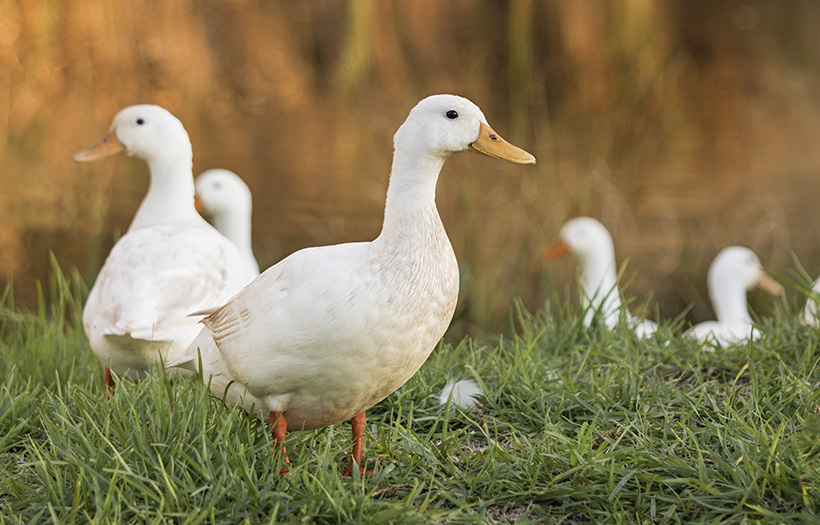
Best Egg-Laying Duck Breeds
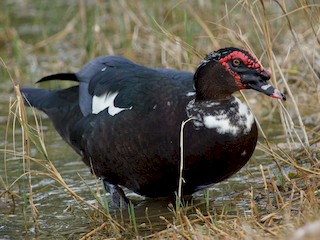
Duck farming is becoming one of the most profitable livestock businesses because ducks are hardy, easy to manage, and excellent egg producers. If your goal is to produce eggs for home consumption or commercial sale, choosing the right breed is one of the most important decisions you will make.
This guide explains the best egg-laying duck breeds, their characteristics, egg production, and why they are suitable for beginners and commercial farmers.
Why Choose Egg-Laying Ducks?
Compared to many other poultry birds, laying ducks offer several advantages:
- High annual egg production.
- Strong resistance to many common poultry diseases.
- Ability to forage, reducing feed costs.
- Eggs are larger than chicken eggs.
- High demand from bakeries, restaurants, and households.
- Longer laying period than many chicken breeds.
With proper feeding, clean water, and good housing, ducks can remain productive for several years.
1. Khaki Campbell
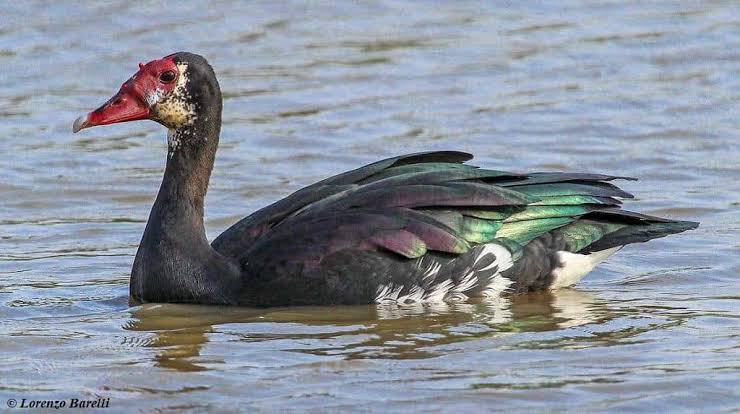
The Khaki Campbell is widely regarded as the world’s best egg-laying duck breed.
Egg Production
- 250–340 eggs per year.
Egg Color
- White to light cream.
Weight
- Females: 1.8–2.2 kg.
- Males: 2.2–2.5 kg.
Advantages
- Extremely high egg production.
- Starts laying at around 5–6 months.
- Consumes less feed than many larger breeds.
- Calm temperament.
- Suitable for commercial egg farming.
Best For
Farmers who want maximum egg production and profitability.
2. Indian Runner Duck
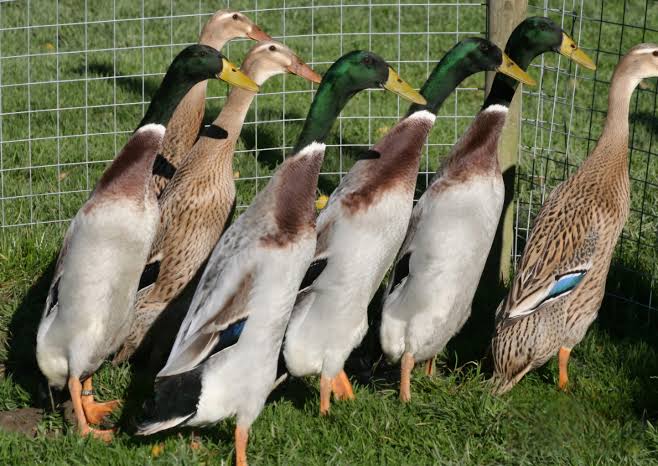
Indian Runner ducks are famous for their upright posture and outstanding laying ability.
Egg Production
- 200–300 eggs annually.
Egg Color
- White, blue, or green depending on the strain.
Advantages
- Excellent foragers.
- Active and energetic.
- Low feeding costs when allowed to roam.
- Good disease resistance.
Best For
Free-range and organic duck farming.
3. Welsh Harlequin
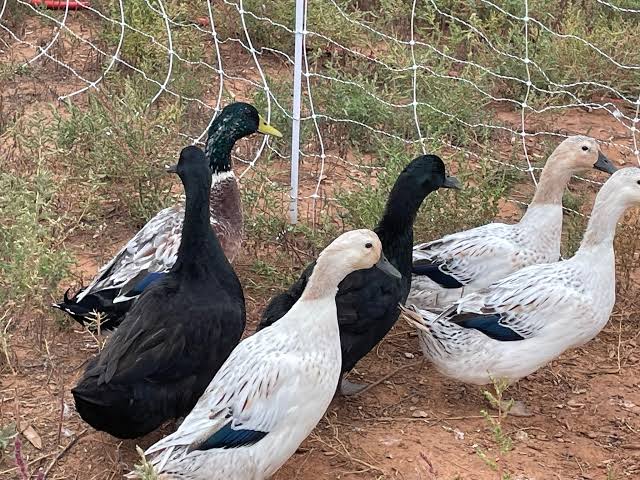
The Welsh Harlequin is one of the most productive and attractive duck breeds.
Egg Production
- 240–300 eggs yearly.
Egg Color
- White or cream.
Advantages
- Friendly and easy to handle.
- Excellent egg layer.
- Good feed conversion.
- Suitable for backyard and commercial farming.
Best For
Families and beginner farmers.
4. Magpie Duck
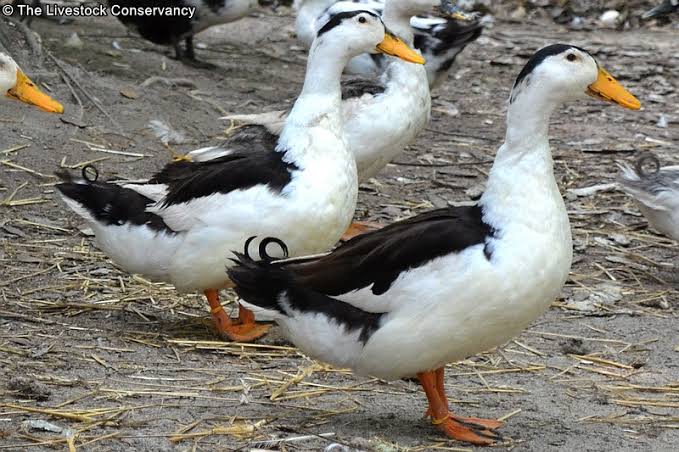
Magpie ducks are valued for both egg production and efficient foraging.
Egg Production
- 220–290 eggs per year.
Advantages
- Excellent egg quality.
- Calm nature.
- Strong resistance to disease.
- Good free-range performance.
Best For
Small-scale farms.
5. Ancona Duck
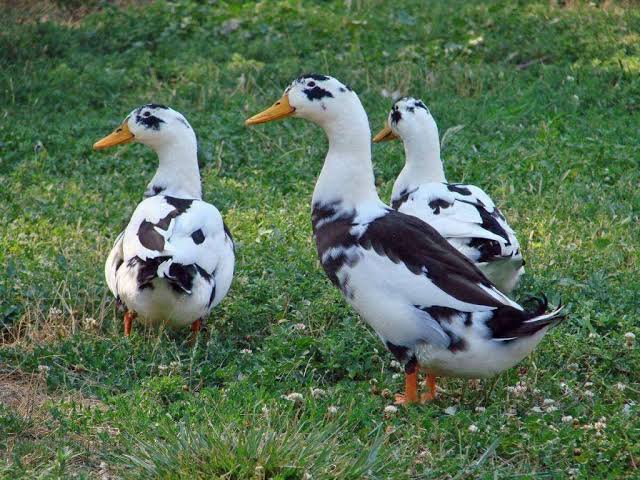
The Ancona duck is another productive laying breed suitable for commercial farming.
Egg Production
- 210–280 eggs annually.
Advantages
- Hardy and adaptable.
- Excellent foragers.
- Easy to raise.
- Long productive life.
Best For
Farmers looking for low-maintenance birds.
6. Pekin Duck
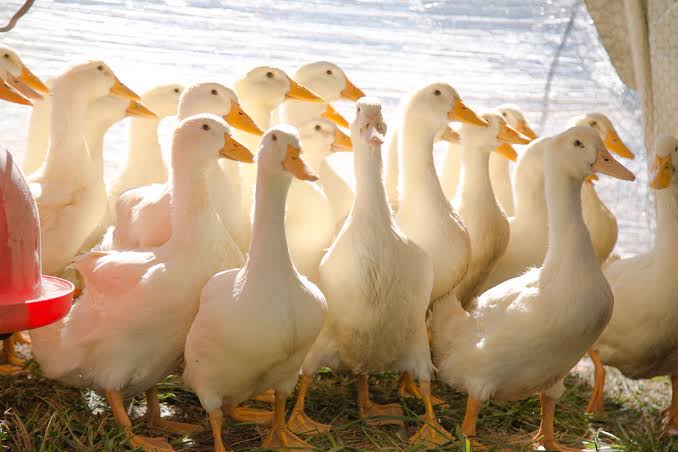
Although Pekin ducks are mainly raised for meat, they are also reliable egg producers.
Egg Production
- 150–220 eggs per year.
Advantages
- Fast-growing.
- Dual-purpose breed.
- Large body size.
- Calm temperament.
Best For
Farmers interested in both meat and eggs.
7. Buff Duck
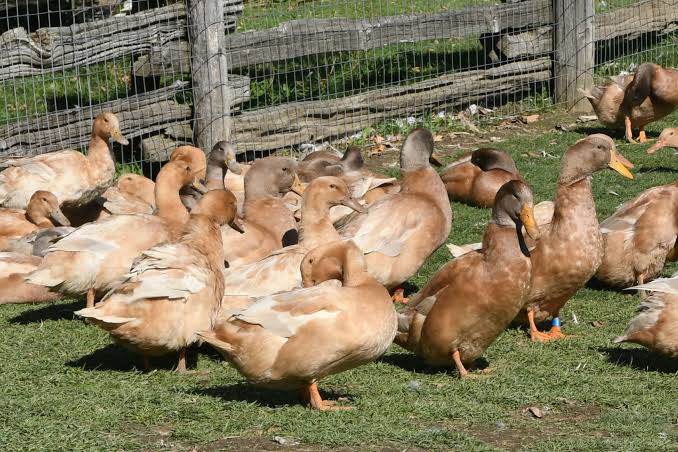
Buff ducks are known for their calm personality and steady egg production.
Egg Production
- 180–240 eggs each year.
Advantages
- Quiet and friendly.
- Suitable for backyard farming.
- Good mothers.
- Hardy birds.
Best For
Small family farms.
8. Cayuga Duck
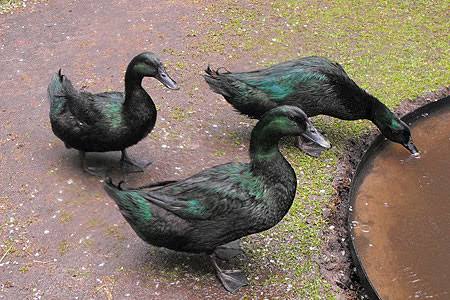
The Cayuga is famous for laying unique eggs early in the season.
Egg Production
- 100–180 eggs yearly.
Egg Color
- Black when first laid, gradually changing to grey or white later in the season.
Advantages
- Attractive breed.
- Calm behavior.
- Suitable for ornamental and small farms.
Factors That Affect Egg Production
Even the best laying breed cannot reach its full potential without proper management.
Important factors include:
- Balanced feed rich in protein and calcium.
- Constant access to clean drinking water.
- Comfortable and dry housing.
- Adequate nesting boxes.
- Protection from predators.
- Proper vaccination and disease prevention.
- Good hygiene.
- Reduced stress.
Best Feed for Laying Ducks
Laying ducks require:
- 16–18% protein feed.
- Calcium supplements for strong eggshells.
- Fresh greens.
- Maize, wheat, rice bran, and other grains.
- Clean water available at all times.
Never allow ducks to stay without water while eating because they need water to swallow feed properly.
When Do Ducks Start Laying?
Most laying breeds begin producing eggs between 20 and 28 weeks of age, depending on breed, nutrition, and management.
Which Breed Is Best for Beginners?
For new duck farmers, these breeds are excellent choices:
- Khaki Campbell
- Indian Runner
- Welsh Harlequin
- Ancona
These breeds are hardy, productive, and relatively easy to manage.
Tips for Successful Egg Production
- Purchase healthy ducklings from reputable hatcheries.
- Provide a clean, dry shelter.
- Feed quality layer rations.
- Supply fresh water throughout the day.
- Collect eggs daily.
- Keep ducks safe from predators.
- Maintain proper hygiene to reduce disease.
Final Thoughts
Selecting the right duck breed is the foundation of a successful egg production business. For farmers who want the highest number of eggs, the Khaki Campbell remains the top choice, while Indian Runner, Welsh Harlequin, Ancona, and Magpie ducks also offer excellent productivity.
With good nutrition, clean housing, proper health management, and consistent care, egg-laying ducks can provide a steady source of income and help build a profitable duck farming enterprise.
Leave a Reply