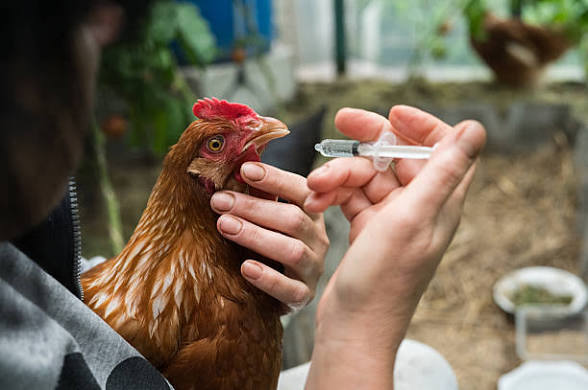
Chicken Vaccination Schedules: A Practical Guide for Young Poultry Farmers
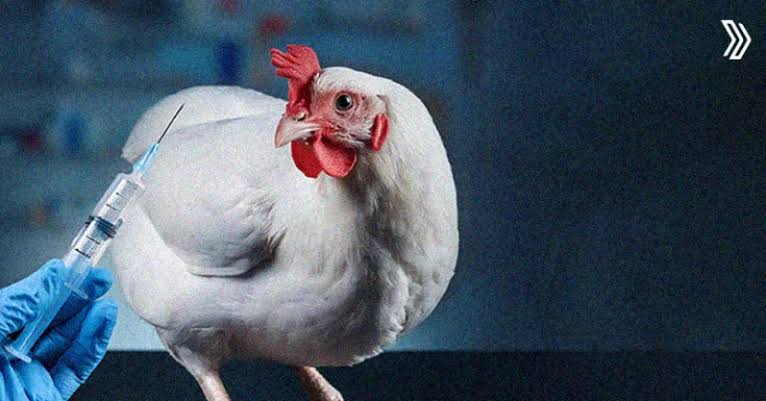
Vaccination is one of the most important parts of successful poultry farming. A good vaccination programme helps protect chickens against serious diseases, reduces mortality and prevents avoidable losses.
However, vaccination is not a substitute for good management. Clean water, proper nutrition, biosecurity, adequate ventilation, good litter management and correct stocking density are also necessary.
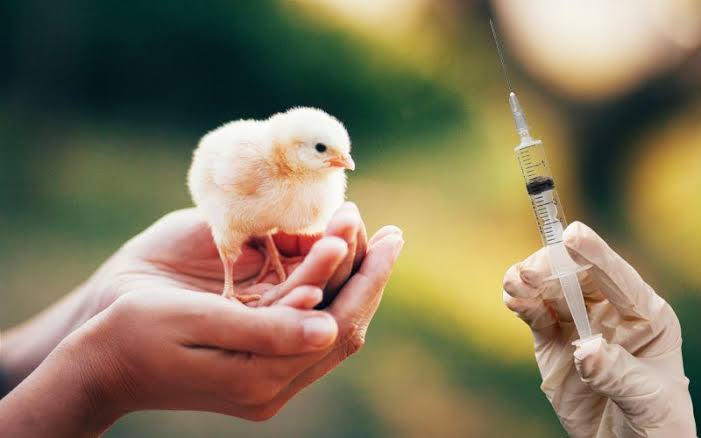
The exact vaccination programme can vary according to the farm, location, disease pressure, vaccine manufacturer and veterinary advice. Young poultry farmers should therefore use the vaccine manufacturer’s instructions and work with a poultry veterinarian when adjusting a programme.
Complete Broiler Vaccination Schedule
A typical broiler programme may include:
| Age | Vaccine | Main purpose |
|---|---|---|
| Day-old | Marek’s vaccine, where recommended | Protection against Marek’s disease |
| Day 1–7 | Newcastle/Lasota, depending on local programme | Newcastle disease protection |
| Around 2 weeks | Gumboro/IBD | Protection against infectious bursal disease |
| Around 3–4 weeks | Gumboro booster, where required | Strengthen IBD protection |
| Around 3–4 weeks | Newcastle/Lasota booster, where required | Strengthen Newcastle protection |
| 3–6 weeks | Fowl pox, where recommended | Protection against fowl pox |
The programme should not simply be copied from another farm. Maternal antibodies, local disease pressure and the type of vaccine being used can affect the correct timing.
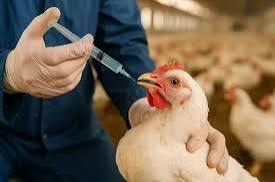
Layer Vaccination Schedule: Day-Old to Point of Lay
Layers require a more extensive vaccination programme because they are kept for much longer than broilers.
A programme may include protection against:
- Marek’s disease
- Newcastle disease
- Infectious bronchitis
- Gumboro disease
- Fowl pox
- Fowl typhoid or other diseases where locally recommended
- Other diseases identified as important in the area
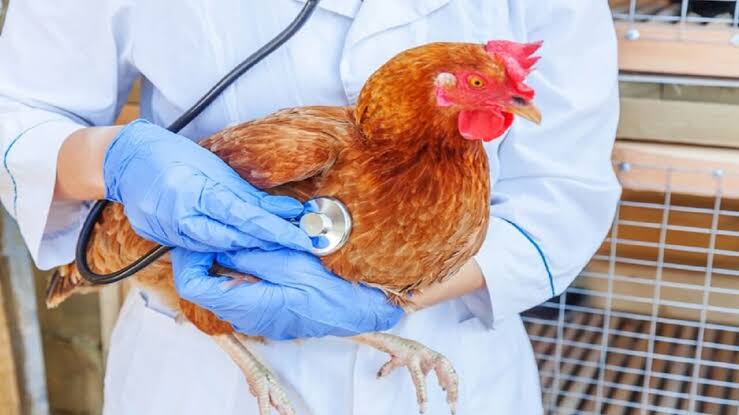
A simplified programme could look like this:
Day-old: Marek’s vaccination where recommended.
First few weeks: Newcastle and other early-life vaccines according to the hatchery and veterinary programme.
Around 2–4 weeks: Gumboro vaccination and booster where required.
Around 3–6 weeks: Newcastle/Lasota booster and fowl pox vaccination where recommended.
Growing period: Additional Newcastle, infectious bronchitis and other vaccines may be required according to the farm’s programme.
Before point of lay: Some layer programmes include additional booster vaccinations before the birds enter production.
Do not assume that one schedule is suitable for every layer farm. The correct programme should take into account the vaccines already given by the hatchery and the disease situation in your area.
Cockerel Vaccination Schedule
Cockerels generally follow a vaccination programme similar to other chickens kept for breeding or longer-term production.
Important vaccines may include:
- Newcastle disease
- Gumboro disease
- Fowl pox
- Infectious bronchitis
- Marek’s disease
- Fowl typhoid or other locally important diseases
The schedule depends on the age at purchase, previous vaccination history and whether the cockerels will be kept for breeding.
Always ask for the vaccination record when buying older birds. Giving a vaccine without knowing what the birds have already received can result in an inappropriate programme.
When Should Chickens Be Vaccinated Against Gumboro?
Gumboro disease, also called infectious bursal disease (IBD), mainly affects young chickens and can seriously damage the immune system.
The timing of Gumboro vaccination is important because chicks may have maternal antibodies inherited from vaccinated hens. If vaccination is given too early, these antibodies can interfere with some vaccines.
Depending on maternal antibody levels and the vaccine programme, vaccination may begin at approximately 2–3 weeks of age, with a booster sometimes required.
Do not choose the timing based only on the bird’s age. Follow the vaccine manufacturer’s instructions and veterinary recommendations, especially where Gumboro is a common problem.
Signs that may occur with Gumboro include:
- Depression and weakness
- Ruffled feathers
- Watery or whitish diarrhoea
- Reduced feed intake
- Dehydration
- Sudden increases in mortality
There is no specific treatment that cures the Gumboro virus. Prevention through vaccination, biosecurity and good management is therefore extremely important.
Lasota Vaccine Guide for Chickens
Lasota is a commonly used live Newcastle disease vaccine.
It is used to stimulate protection against Newcastle disease, which can cause severe illness and death in poultry.
Lasota may be administered through:
- Drinking water
- Eye drops
- Nasal drops
- Other routes specified by the manufacturer
For drinking-water vaccination, use only clean, suitable water and follow the manufacturer’s instructions.
Avoid mixing the vaccine casually with antibiotics, disinfectants or other chemicals. Some substances can damage the live vaccine and reduce its effectiveness.
Komorov Vaccine Guide
Komorov is another Newcastle disease vaccine used in poultry vaccination programmes.
The exact vaccination schedule and method depend on the particular product and manufacturer’s instructions.
Young farmers should check:
- The vaccine name and type.
- The recommended age.
- The correct dose.
- The recommended route of administration.
- Storage requirements.
- Expiry date.
- Whether a booster is required.
Do not assume that all Newcastle vaccines are administered in exactly the same way.
Fowl Pox Vaccination Guide
Fowl pox is a viral disease that can cause lesions on the skin, especially around the comb, wattles and other unfeathered areas.
Vaccination is an important preventive measure in areas where fowl pox is a problem.
Fowl pox vaccine is commonly administered using the wing-web method, but farmers should follow the specific instructions supplied with their vaccine.
After vaccination, check the birds to ensure the procedure was properly performed. Some vaccines produce a local reaction at the vaccination site, which can indicate that the vaccine was successfully administered.
Vaccinating sick, severely stressed or poorly managed birds may not produce the expected protection. Always assess the condition of the flock before vaccination.
How to Administer Poultry Vaccines Through Drinking Water
Drinking-water vaccination is commonly used because it allows a large number of chickens to be vaccinated quickly.
Follow these basic principles:
1. Use the correct vaccine
Check the label, expiry date and storage requirements before opening the vaccine.
2. Use clean water
The water should not contain disinfectants or other substances that can inactivate a live vaccine.
3. Prepare the birds
Depending on the manufacturer’s instructions, birds may need temporary access to water before vaccination so they will drink the vaccine solution quickly.
Do not deliberately deprive birds of water for an excessive period, particularly during hot weather.
4. Prepare only what is required
Mix the vaccine according to the manufacturer’s instructions and use it within the recommended period.
5. Make sure every bird can drink
Provide sufficient drinker space and distribute the vaccine solution so that all birds have access.
6. Do not add random medications
Avoid adding antibiotics, disinfectants, vitamins or other products to the vaccine water unless the manufacturer or veterinarian specifically confirms that they are compatible.
7. Give clean water afterward
Once the vaccination period is complete, return the birds to their normal clean drinking-water supply.
Common Vaccination Mistakes That Reduce Vaccine Effectiveness
One of the biggest mistakes young farmers make is believing that simply giving a vaccine guarantees protection.
Common mistakes include:
Poor vaccine storage
Many vaccines require refrigeration and protection from excessive heat and sunlight. Breaking the cold chain can reduce vaccine effectiveness.
Using expired vaccines
Always check the expiry date before administration.
Using dirty or chlorinated water
Some live vaccines can be damaged by chemicals in water.
Incorrect dosage
Too little vaccine or incorrect preparation can compromise the vaccination programme.
Vaccinating very sick birds
A severely sick or stressed flock may not respond properly to vaccination.
Incorrect administration
If a vaccine is supposed to be given through the eye, nose, wing web or drinking water, follow the specified route.
Leaving prepared vaccine sitting around
Prepared vaccines may have a limited usable period. Follow the manufacturer’s instructions.
Poor flock coverage
If only some birds receive the vaccine, the flock may remain vulnerable.
Ignoring previous vaccination
Farmers sometimes vaccinate birds without knowing what vaccines were already administered at the hatchery or on the previous farm.
Poor biosecurity after vaccination
Vaccination does not mean you can stop controlling disease introduction. Visitors, equipment, wild birds, rodents, contaminated footwear and newly purchased birds can still introduce disease.
What Young Poultry Farmers Should Remember
A good vaccination programme starts before the vaccine is given.
Keep accurate records showing:
- Date of vaccination
- Age of birds
- Vaccine name
- Batch or lot number
- Expiry date
- Number of birds vaccinated
- Route of administration
- Any reaction or problem observed
- Next vaccination date
Most importantly, do not treat every disease by vaccination or antibiotics without first identifying the likely cause. Signs such as diarrhoea, coughing, weakness, poor growth and sudden death can have several different causes.
If birds are dying suddenly, showing severe neurological signs, having bloody diarrhoea or experiencing a rapid increase in mortality, contact a poultry veterinarian or animal-health professional promptly.
Final Advice for a Young Poultry Farmer
Vaccination should be treated as part of a complete flock-health programme. The best results come from combining the correct vaccine with good nutrition, clean water, proper housing, ventilation, litter management, biosecurity and careful observation.
Never guess a vaccination schedule when you can verify it. Check the vaccine label, keep your farm records and consult a qualified poultry veterinarian when disease pressure or vaccination requirements are unclear.
Leave a Reply