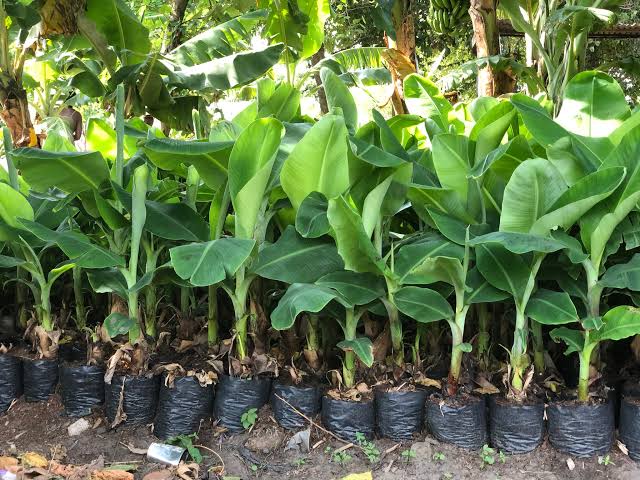
How to Plant Plantain Suckers
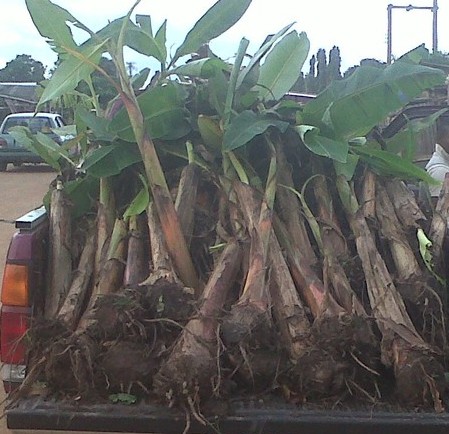
Planting healthy plantain suckers is the foundation of a successful plantain plantation. The quality of the sucker, the preparation of the land, and the planting method all determine how well your plants will grow and how much fruit they will produce.
Whether you are starting a small backyard farm or planning a commercial plantation, this guide explains everything you need to know about planting plantain suckers.
What Are Plantain Suckers?
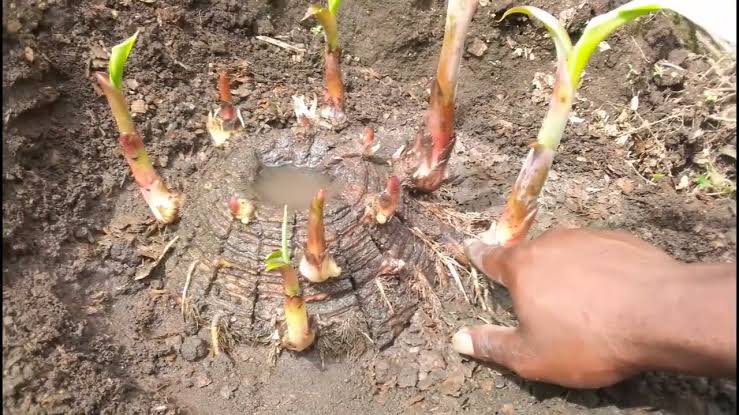
Plantain suckers are young shoots that grow from the underground stem (called the corm) of an existing plantain plant. These suckers can be separated from the mother plant and replanted to produce new plants.
Unlike planting seeds, using suckers is the standard and most reliable method for propagating plantains because they produce plants that are genetically identical to the parent plant.
Types of Plantain Suckers
There are two main types of suckers.
Sword Suckers
Sword suckers have narrow, pointed leaves and a strong underground corm. They develop healthy root systems and usually produce the highest yields. They are the best choice for establishing a new plantation.
Water Suckers
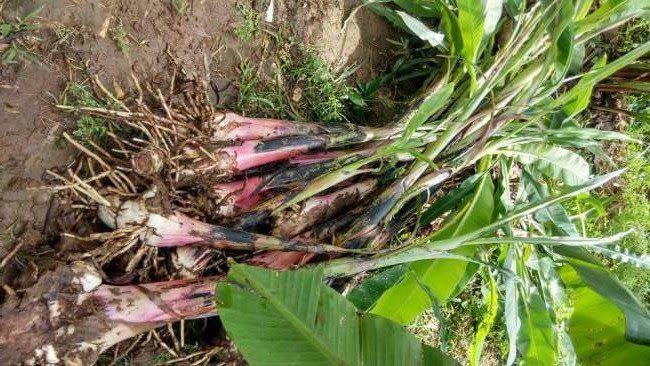
Water suckers have broad leaves from an early stage and are generally weaker than sword suckers. They often produce lower yields and are not recommended for commercial farming unless no better option is available.
Choosing Healthy Plantain Suckers
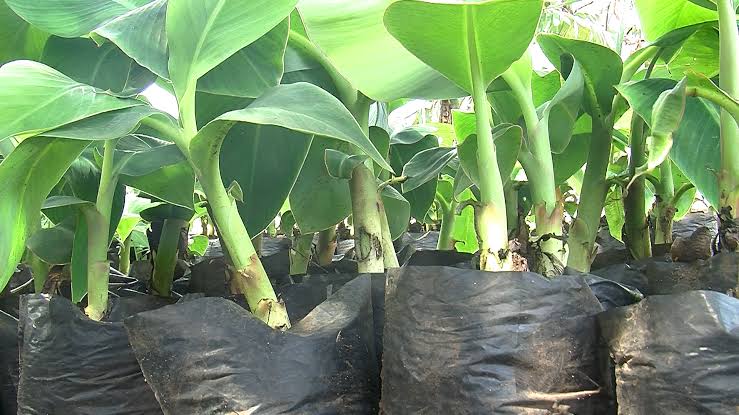
The success of your plantation begins with selecting quality planting materials.
Choose suckers that:
- Are free from diseases and pests.
- Come from healthy, high-yielding mother plants.
- Are about 60–120 cm (2–4 feet) tall.
- Have a firm and healthy corm.
- Show no signs of rotting or insect damage.
Avoid planting suckers taken from unhealthy or poorly performing plants.
Preparing the Suckers Before Planting
Before planting, prepare the suckers properly.
- Remove all old roots.
- Trim damaged leaves.
- Cut away any rotten or diseased parts of the corm.
- Peel off the outer layers if they contain pests or eggs.
- Treat the sucker with a recommended fungicide or insecticide if necessary.
- Allow the sucker to dry in a shaded area for one or two days before planting.
Proper preparation reduces disease and improves survival rates.
Selecting the Right Site
Plantain grows best under the following conditions:
- Deep, fertile soil.
- Well-drained land.
- Plenty of sunlight.
- Soil rich in organic matter.
- Soil pH between 5.5 and 7.0.
Avoid areas that become flooded during heavy rainfall because waterlogged soil can cause root rot.
Land Preparation
Clear bushes, weeds, and unwanted trees from the land.
After clearing:
- Remove tree stumps if possible.
- Plough or loosen compacted soil.
- Mark out the planting positions.
- Add compost or well-rotted animal manure before planting.
Proper land preparation encourages faster root development.
Best Time to Plant
The ideal time to plant plantain suckers is at the beginning of the rainy season.
Planting during this period provides enough moisture for root establishment and reduces the need for irrigation.
If planting during the dry season, regular watering is essential.
Digging the Planting Hole
Dig planting holes measuring approximately:
- 45 cm deep
- 45 cm wide
- 45 cm long
For poor soils, larger holes can be used.
Mix the topsoil with compost or organic manure before refilling part of the hole.
Spacing Between Plants
Correct spacing allows sunlight, airflow, and easy farm management.
Common spacing includes:
- 3 metres × 3 metres.
- 2.5 metres × 3 metres.
Depending on the spacing used, one hectare can accommodate approximately 1,100–1,600 plants.
Avoid overcrowding because it increases disease problems and reduces yields.
How to Plant the Sucker
Follow these simple steps:
- Place the sucker upright in the centre of the hole.
- Spread the roots naturally.
- Cover with soil until the corm is completely buried.
- Press the soil gently around the base to remove air pockets.
- Water immediately if the soil is dry.
- Apply mulch around the plant without touching the stem.
The sucker should stand upright after planting.
Watering After Planting
Young suckers require enough moisture to establish quickly.
Water regularly if rainfall is insufficient.
Avoid overwatering because excessive moisture encourages diseases.
Mulching
Mulching helps by:
- Conserving soil moisture.
- Suppressing weeds.
- Reducing soil erosion.
- Improving soil fertility as organic materials decompose.
- Keeping soil temperatures stable.
Suitable mulch materials include:
- Dry grass.
- Banana leaves.
- Plantain leaves.
- Rice straw.
- Wood shavings.
Fertilizer Application
Plantains require adequate nutrients throughout their growth.
Use:
- Compost.
- Poultry manure.
- Cow manure.
- NPK fertilizer where necessary.
Apply fertilizer a short distance away from the stem to avoid burning the roots.
Always follow recommended application rates.
Weed Control
Weeds compete with plantains for nutrients, sunlight, and water.
Control weeds by:
- Hand weeding.
- Mulching.
- Slashing.
- Carefully using approved herbicides when necessary.
Keep the plantation clean throughout the growing season.
Pest and Disease Management
Common pests include:
- Banana weevils.
- Nematodes.
- Aphids.
Common diseases include:
- Black Sigatoka.
- Panama disease.
- Bacterial wilt.
To reduce problems:
- Use healthy suckers.
- Maintain farm hygiene.
- Remove infected plants immediately.
- Apply approved control measures when needed.
Supporting the Plants
As bunches become heavier, mature plants may lean or fall.
Support them using wooden stakes or bamboo poles to prevent lodging and fruit damage.
Desuckering
Too many suckers around one plant reduce yield.
Leave only one or two healthy replacement suckers and remove the others regularly.
This allows the main plant to receive enough nutrients.
Common Mistakes Beginners Should Avoid
Many new farmers make avoidable mistakes, including:
- Planting unhealthy suckers.
- Using water suckers instead of sword suckers.
- Planting too close together.
- Ignoring weed control.
- Planting in poorly drained soil.
- Applying too much fertilizer.
- Failing to control pests early.
- Allowing too many suckers to grow around one plant.
Avoiding these mistakes greatly improves plantation performance.
When Will Plantains Start Producing?
Depending on the variety and growing conditions, plantains usually begin producing fruit about 9 to 15 months after planting.
Good management practices such as watering, fertilization, weed control, and pest management help ensure earlier and better harvests.
Final Thoughts
Planting plantain suckers correctly is the first step toward building a productive plantation. By selecting healthy sword suckers, preparing the land properly, maintaining correct spacing, and providing regular care, even first-time farmers can achieve excellent yields.
Success in plantain farming comes from patience, proper management, and consistent care. Every healthy sucker planted today can grow into a productive plant that provides food and income for many years.
Leave a Reply