
Starting a palm tree plantation in Nigeria is one of the most profitable long-term agribusiness ventures. Palm oil is in high demand both locally and internationally for cooking, cosmetics, soap, and industrial uses. With the right planning and knowledge, any farmer can build a sustainable palm plantation that generates steady income for decades.
1. Why Invest in Palm Tree Farming in Nigeria
Palm oil is Nigeria’s most consumed vegetable oil and a key export commodity. The demand is rising because of population growth and industrial use.
Benefits of palm tree farming include:
- Long-term profit (trees can produce for over 25 years)
- High market demand locally and abroad
- Multiple products: palm oil, palm kernel oil, palm wine, and palm kernel cake
- Job creation and sustainability
2. Choose the Right Land for Palm Tree Plantation
Selecting the right location is the first step toward success.
Ideal conditions for palm cultivation include:
- Rainfall: 1,500–2,500 mm per year
- Temperature: 25°C–30°C
- Soil type: Deep, well-drained loamy soil rich in organic matter
- pH level: Between 4.0 and 6.5
- Sunlight: Full sunlight exposure for optimal growth
Top palm-producing states in Nigeria include: Edo, Delta, Cross River, Akwa Ibom, Ondo, Imo, and Rivers.
3. Land Preparation
Once you have secured your land:
- Clear the land: Remove weeds, stumps, and debris.
- Plough and harrow: To loosen the soil for better root penetration.
- Mark spacing: Maintain 9m x 9m spacing for oil palm to allow proper growth and sunlight.
This will give approximately 143 palms per hectare.
4. Choosing the Right Palm Seedlings
Seed quality determines productivity. Always buy high-yield hybrid seedlings from reputable sources.
- Preferred varieties: Tenera (a hybrid of Dura and Pisifera)
- Seed sources: Nigerian Institute for Oil Palm Research (NIFOR) or certified nurseries.
Good seedlings produce more oil and mature faster (within 3–4 years).
5. Nursery Establishment
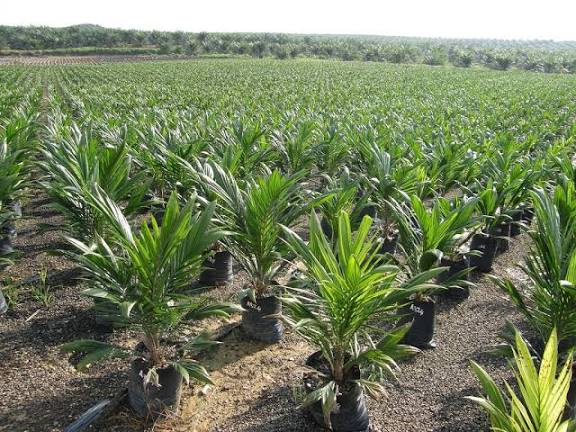
Before transplanting to the field, raise seedlings in a nursery.
Steps include:
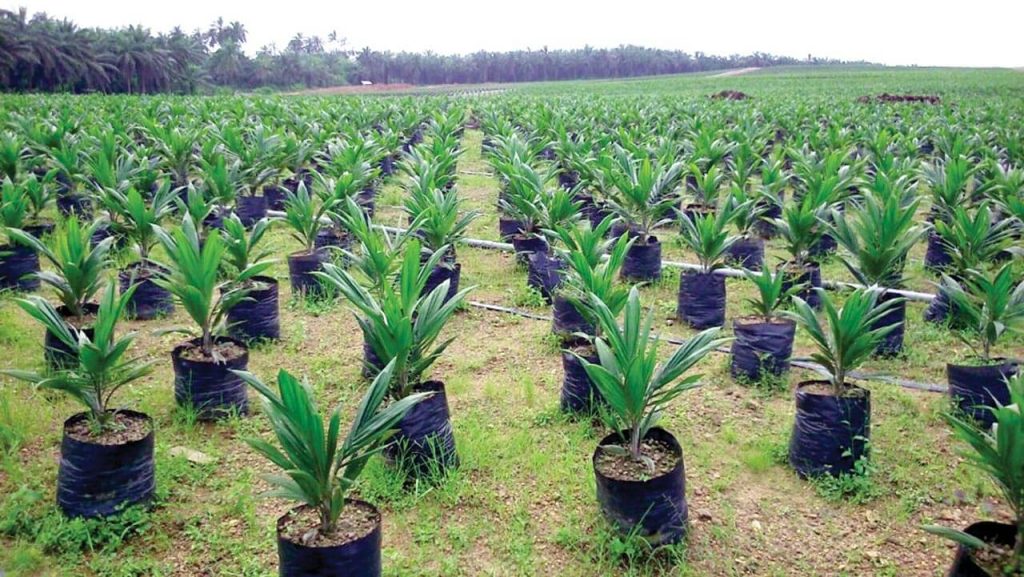
- Fill polybags with rich topsoil and compost.
- Plant one seed per bag.
- Water regularly and protect from pests.
- Transplant to the main field after 12–15 months when seedlings reach 1 meter in height.
6. Transplanting to the Main Field
- Transplant at the beginning of the rainy season.
- Dig holes (60cm x 60cm x 60cm) and mix topsoil with manure.
- Place the seedlings carefully and cover with soil.
- Water immediately after planting.
7. Palm Tree Maintenance Practices
To achieve high yields, proper management is key:
- Weeding: Keep the plantation clean to prevent competition.
- Manure application: Apply organic manure or NPK fertilizer regularly.
- Mulching: Helps retain soil moisture.
- Pest and disease control: Watch for weevils, rodents, and fungal infections.
- Pruning: Remove old fronds to enhance fruit development.
8. Harvesting Palm Fruits
Palm trees begin to bear fruits from 3–4 years after planting.
- Harvest ripe fruit bunches using a long-handled sickle or knife.
- Harvesting is done every 10–15 days during the peak season.
- Process fresh fruit bunches immediately to avoid fermentation and oil loss.
9. Processing and Marketing Palm Oil
After harvesting, fruits are processed to extract red palm oil and palm kernel oil.
You can:
- Sell fresh fruit bunches (FFB) to local processors.
- Set up a mini palm oil mill to increase profits.
- Export palm oil, palm kernel oil, or palm kernel cake.
Marketing Tips:
- Sell to local markets, food companies, and cosmetic industries.
- Use digital marketing to reach more buyers.
- Register with cooperative societies or palm oil associations.
10. Estimated Cost and Profit Analysis
Estimated startup cost (per hectare): ₦600,000–₦1,000,000
Annual profit potential (after 4 years): ₦1.5–₦3 million or more depending on management and yield.
11. Challenges in Palm Tree Farming
- Long maturity period before first harvest.
- Initial capital requirement is high.
- Pest and disease control must be consistent.
- Market price fluctuations.
However, with good management and patience, palm tree farming remains one of the most profitable and sustainable agribusinesses in Nigeria.
12. Conclusion
Starting a palm tree plantation in Nigeria requires planning, patience, and proper management. From choosing fertile land to using quality seedlings and applying good agricultural practices, success depends on commitment. Over time, your investment will yield steady profits for many years.