How to Choose the Right Land for Rice Farming in Nigeria
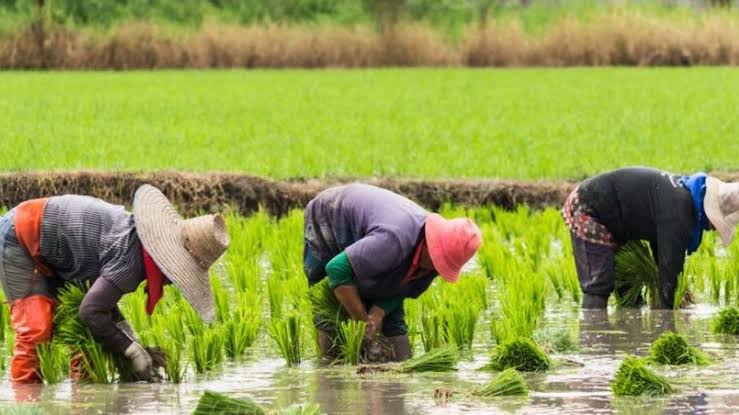
Rice farming is one of the most profitable agricultural businesses in Nigeria. As the population continues to grow, the demand for locally produced rice increases every year. For young farmers and anyone planning to venture into rice farming, choosing the right land is one of the most important decisions you will make. Good land can increase your harvest, reduce production costs, and improve your profits.
Why Rice Farming is a Great Business in Nigeria
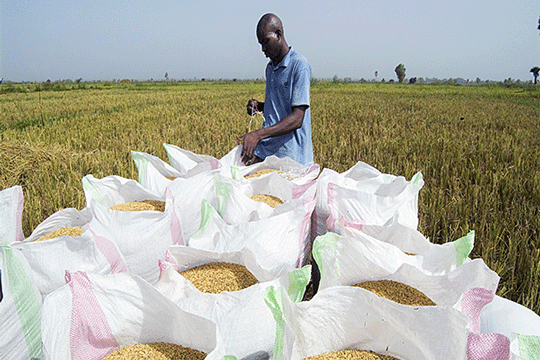
Nigeria is one of the largest consumers of rice in Africa. Millions of Nigerians eat rice daily, making it a highly demanded food crop. The government and private organizations also encourage local rice production to reduce dependence on imported rice.
Some benefits of investing in rice farming include:
- High market demand throughout the year.
- Opportunity to earn good income and create wealth.
- Job creation for youths and rural communities.
- Government support through agricultural programs and loans.
- Contribution to Nigeria’s food security.
- Opportunity to expand into rice processing and packaging.
Importance of Choosing the Right Land
The quality of your farmland determines the success of your rice farm. Poor land selection can lead to low yields, flooding problems, disease outbreaks, and financial losses.
Choosing suitable land helps you:
- Achieve higher rice yields.
- Reduce production costs.
- Improve water management.
- Minimize weed and pest problems.
- Increase profitability.
How to Choose Land for Rice Farming in Nigeria
1. Choose Fertile Soil
Rice grows best on fertile soils rich in organic matter. Clay or clay-loam soils are ideal because they retain water better than sandy soils.
Avoid land with poor, rocky, or extremely sandy soil.
2. Ensure Reliable Water Supply
Rice requires plenty of water, especially during its growing stages. Choose land located near:
- Rivers
- Streams
- Dams
- Irrigation schemes
- Areas with reliable rainfall
Water availability is essential for successful rice production.
3. Select Flat or Gently Sloping Land
Flat land makes irrigation easier and allows water to spread evenly across the field. It also simplifies land preparation, planting, and harvesting.
Avoid steep hills where water quickly runs off.
4. Check Drainage Conditions
Although rice needs water, excessive flooding can destroy the crop.
The best land should:
- Hold enough water.
- Drain excess water when necessary.
- Prevent long periods of waterlogging.
5. Test the Soil
Before planting, conduct a soil test to determine:
- Soil fertility.
- Soil pH.
- Nutrient levels.
- Organic matter content.
Soil testing helps you apply the correct fertilizers.
6. Avoid Flood-Prone Areas
Do not select land that experiences uncontrollable flooding every rainy season unless you have proper flood control structures.
Unexpected floods can wipe out an entire rice farm.
7. Consider Accessibility
Choose farmland that is easy to reach with vehicles and farm equipment.
Good road access helps reduce transportation costs for:
- Fertilizers
- Seeds
- Farm machinery
- Harvested rice
8. Check Land Ownership
Always confirm that the land has no ownership disputes.
Secure proper agreements or legal documents before investing in the farm.
9. Avoid Polluted Land
Do not farm on land contaminated by:
- Industrial waste
- Oil spills
- Toxic chemicals
Healthy soil produces healthier crops.
10. Observe Previous Cropping History
Find out what was previously grown on the land.
Land with a history of good crop production is often a better choice than abandoned or degraded farmland.
Characteristics of Good Rice Farmland
A good rice farm should have:
- Fertile clay or clay-loam soil.
- Reliable water supply.
- Flat or gently sloping terrain.
- Good drainage.
- Easy road access.
- Secure land ownership.
- Low risk of flooding.
- Healthy soil with good organic matter.
Advice for Young Rice Farmers
Starting rice farming requires patience, planning, and continuous learning. Begin with a manageable farm size, use certified rice seeds, follow recommended farming practices, control weeds early, apply fertilizers correctly, and seek guidance from agricultural extension officers and experienced farmers.
Keep proper records of your expenses and harvest to monitor your farm’s performance and improve future production.
Conclusion
Choosing the right land is the foundation of successful rice farming in Nigeria. Fertile soil, adequate water, good drainage, accessibility, and secure land ownership all contribute to higher yields and better profits. With proper planning and modern farming practices, rice farming can become a sustainable and rewarding business that supports food security while providing long-term income for Nigerian farmers.
Leave a Reply