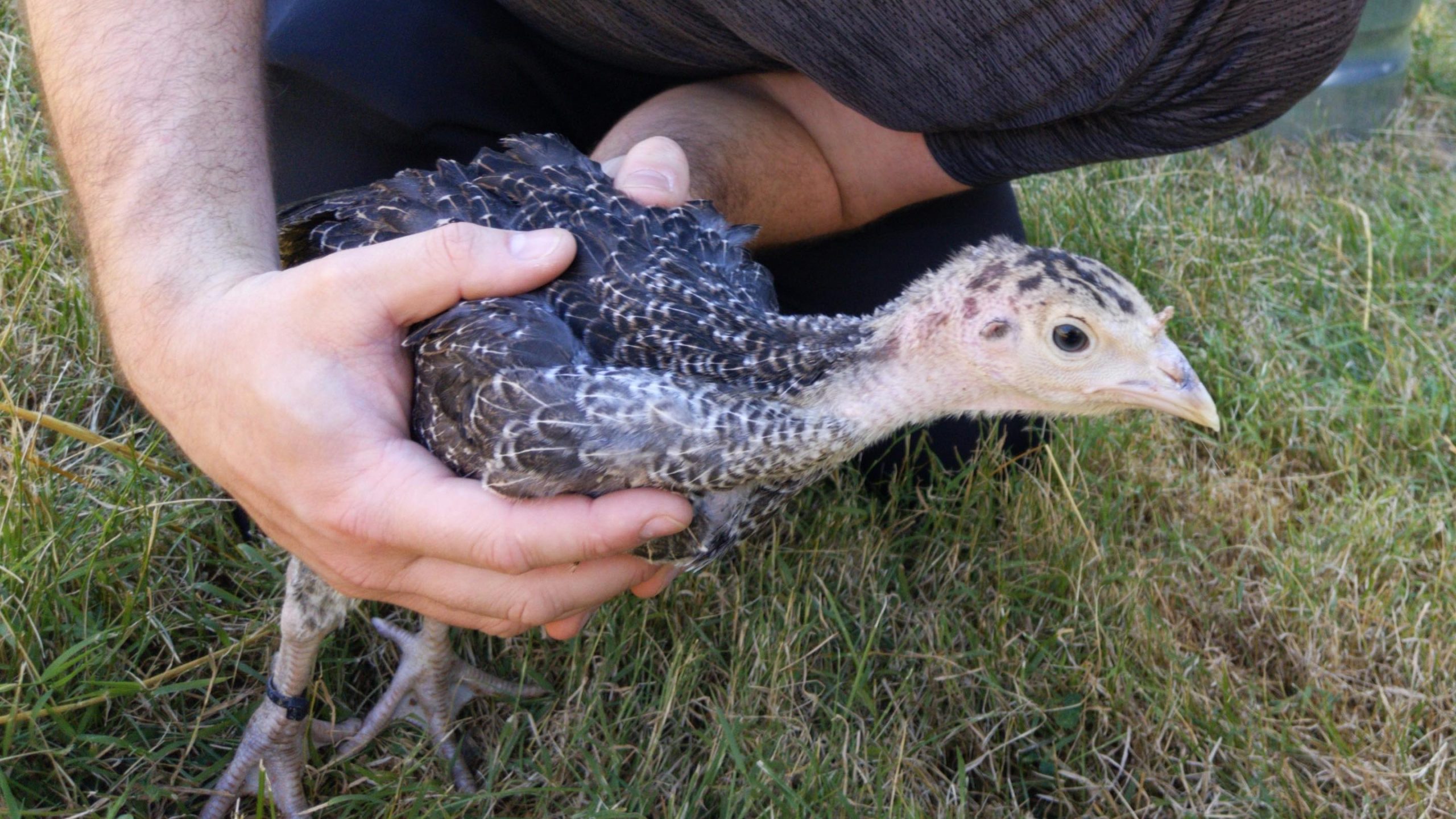
Why Turkeys Hardly Eat When They Are Alone
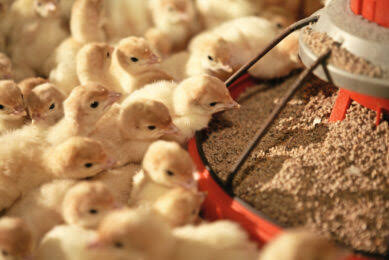
Turkey farming is profitable, but many young farmers notice that some turkeys refuse to eat properly when separated from others. This behavior is common in turkeys, especially young poults, because turkeys are naturally social birds that prefer living and feeding in groups.
Understanding this behavior can help farmers reduce stress, improve feeding, and increase survival rates in turkey farming.
Turkeys Are Social Birds
Turkeys naturally like staying together in flocks. In the wild and on farms, they feel safer and more comfortable when they are around other birds.
When a turkey is left alone:
- It may become stressed
- It can feel unsafe
- It may become weak or frightened
- It may lose interest in feed and water
Young turkey poults especially depend on group behavior to learn how to eat and drink.
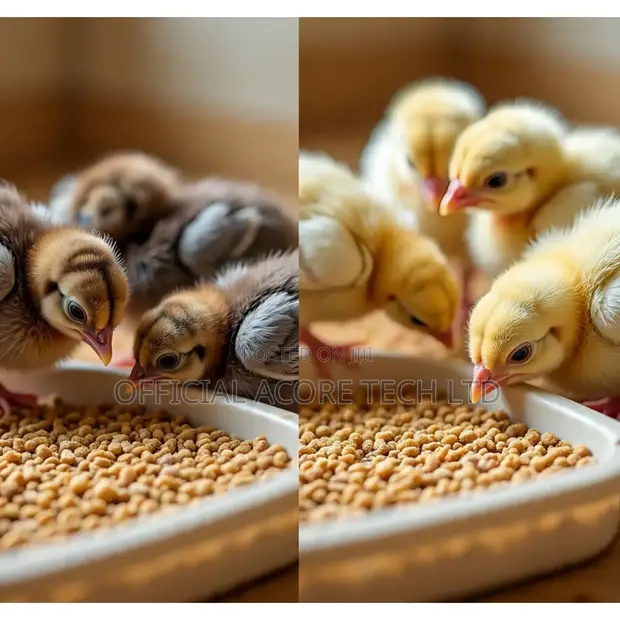
Why Turkeys Eat Better in Groups
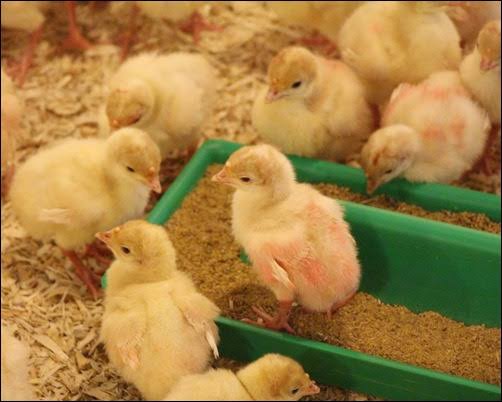
Turkeys often copy each other. When one bird starts eating, others quickly join. This is known as social feeding behavior.
Benefits of Group Feeding:
- Encourages appetite
- Reduces fear and loneliness
- Helps young poults learn faster
- Improves growth rate
A lonely turkey may stay quiet, weak, and inactive because it has no other birds to follow.
Stress Affects Feeding
Stress is one major reason why turkeys refuse to eat when isolated.
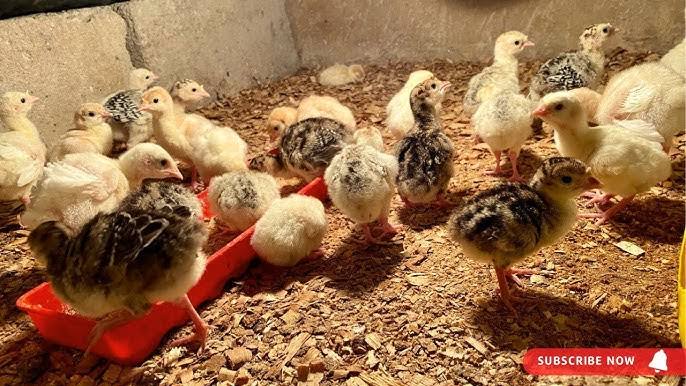
Causes of Stress:
- Separation from the flock
- Cold environment
- Sudden movement to a new place
- Loud noise
- Poor lighting
Stress can reduce appetite quickly and may even lead to sickness if not corrected early.
Young Poults Learn by Watching Others
Day-old and young turkeys usually learn feeding behavior from other poults. When they see others pecking feed, they also begin eating.
If a poult is kept alone:
- It may not recognize feed easily
- It may become confused
- It can starve even when feed is available
This is why farmers are advised to raise poults in small groups instead of isolating them.
Signs of a Lonely Turkey
A lonely turkey may:
- Refuse to eat
- Stand in one corner
- Make continuous crying sounds
- Look weak and dull
- Drink little water
- Sleep too much
Farmers should quickly address this problem before the bird loses weight or becomes sick.
How Young Farmers Can Solve This Problem
1. Keep Turkeys in Groups
Turkeys grow better when raised together.
2. Provide Proper Warmth
Cold birds lose appetite quickly.
3. Use Good Lighting
Light helps birds find feed and stay active.
4. Reduce Stress
Avoid unnecessary handling and loud noise.
5. Teach Weak Poults to Eat
Tap the feed tray gently to attract attention.
6. Introduce Companion Birds
If one turkey must stay alone temporarily, placing another calm bird nearby may help encourage feeding.
Importance of Proper Management
Good management improves:
- Feed intake
- Growth performance
- Survival rate
- Overall profitability
Farmers who understand turkey behavior can reduce losses and raise healthier birds successfully.
Conclusion
Turkeys hardly eat when they are alone because they are social animals that feel safer and more comfortable in groups. Young farmers should avoid isolating poults unnecessarily and should provide a stress-free environment with proper warmth, lighting, feed, and companionship.
Understanding turkey behavior is one of the secrets to becoming a successful turkey farmer.
Leave a Reply