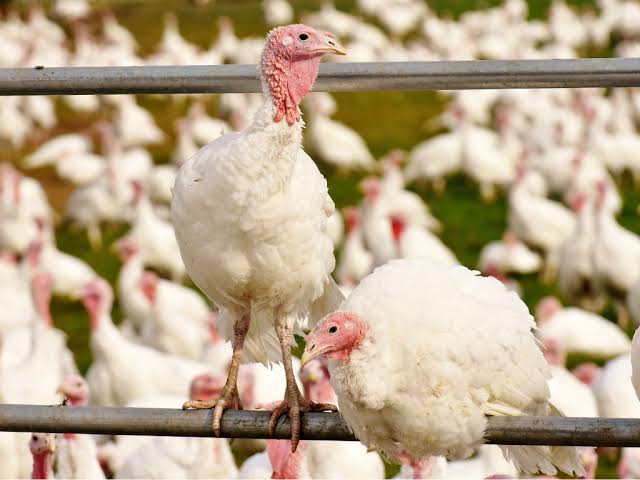
When to Start Turkey Farming for December Sales
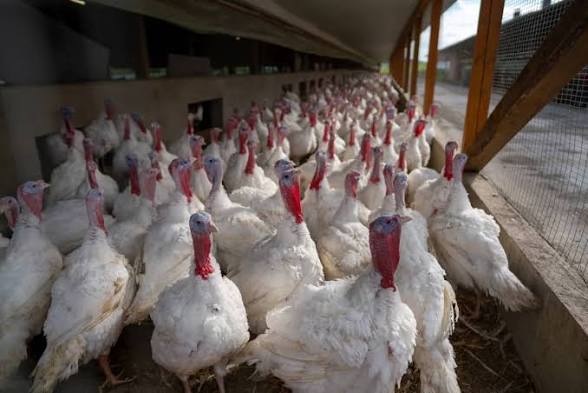
December is one of the best periods of the year for turkey farmers because demand for turkey usually increases during the Christmas and New Year celebrations. Families, restaurants, caterers and food sellers often look for mature birds for the festive season.
However, December turkey sales should not be planned in December. A young farmer who wants to make good sales must start preparing several months earlier.
When Should You Start?
For farmers targeting December sales, August to September is a good period to start sourcing turkey poults, depending on the age and size of birds you want to sell.
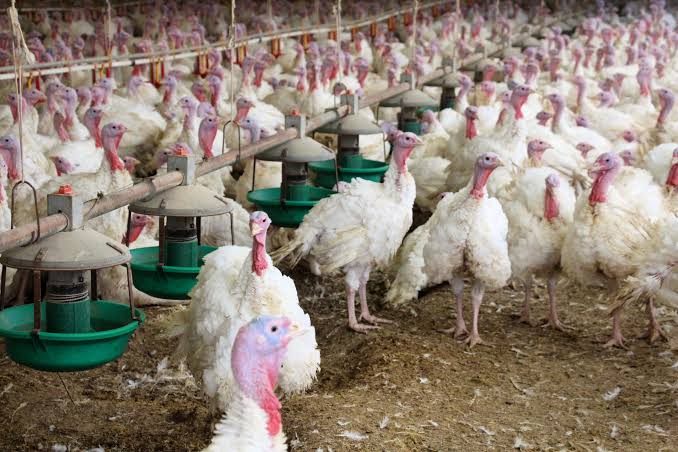
Turkeys take considerably longer to reach market size than broilers. Depending on the breed, feeding programme, management and desired market weight, you may need several months of rearing before the birds are ready for sale.
For example:
- August: Buy poults and begin brooding.
- September: Focus on good brooding, vaccination, feeding and growth.
- October: Birds should be growing strongly; increase attention to feed and housing.
- November: Monitor weight, health and feed consumption while preparing your market.
- December: Sell mature birds when demand and prices are usually stronger.
The exact timing should be adjusted according to the age of the poults you buy and the target market weight.
Why Starting Early Matters
One common mistake among new poultry farmers is waiting until November before thinking about Christmas turkey sales. By then, it may be too late to raise birds to the size some customers expect.
Starting early gives you enough time to:
- Raise healthier and heavier birds.
- Manage feeding properly.
- Identify and treat health problems early.
- Reduce the pressure of rushing production.
- Build a customer base before December.
- Plan your selling price and marketing strategy.
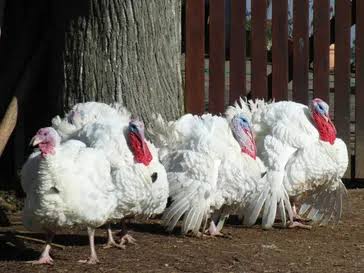
Don’t Focus Only on the Number of Turkeys
Young farmers sometimes think that keeping 100 or 200 turkeys automatically means making a big profit. It doesn’t.
Profit depends on good management.
Before buying poults, calculate your expected costs. Consider the price of poults, feed, vaccines, medications, housing, bedding, labour, water, electricity and possible mortality.
For a beginner, it is often better to start with a manageable number of birds and learn proper turkey management before expanding.
Feeding Is Very Important
Turkey farming can become expensive because feed is one of the major costs of production.
Provide feed appropriate for the birds’ age and ensure they have constant access to clean drinking water. Avoid poor-quality or contaminated feed, as poor nutrition can affect growth and increase production costs.
Do not simply feed turkeys more because you want them to become big quickly. Good growth comes from balanced nutrition, proper management and a healthy environment.
Pay Attention to Health
Healthy birds are easier to sell and usually perform better.
Young farmers should work with a qualified veterinarian or experienced poultry professional to develop an appropriate vaccination and disease-prevention programme for their location.
Keep the turkey house clean, provide good ventilation and avoid overcrowding. Also watch the birds every day for signs such as poor appetite, weakness, abnormal droppings, coughing or unusual behaviour.
Early action can prevent a small problem from becoming a major loss.
Start Finding Customers Before December
Don’t wait until your turkeys are ready before looking for buyers.
Start telling people about your birds weeks ahead of Christmas. You can market to:
- Families
- Restaurants
- Caterers
- Hotels
- Food vendors
- Event planners
- Neighbours and friends
- Local consumers through social media
You can also take good pictures of your birds and announce that December turkey orders are open.
Taking advance orders can help you estimate demand and plan your sales.
Keep Good Records
Every young farmer should learn to keep records from the first day.
Record:
- Number of poults purchased
- Purchase cost
- Feed purchased
- Vaccinations and treatments
- Mortality
- Daily or weekly expenses
- Number of birds available for sale
- Selling price
At the end of the cycle, compare your total expenses with your sales revenue. This tells you whether your turkey business is actually profitable.
Final Advice for Young Farmers
If your goal is to sell turkeys during the December festive season, start planning several months before December. For many production systems, August or September can be a practical starting point for sourcing poults, but the right date depends on the starting age, breed and target selling weight.
Don’t enter turkey farming simply because you expect high Christmas prices. Enter with a production plan, feeding budget, health programme and marketing strategy.
The farmer who prepares early is more likely to have birds ready when customers are ready to buy.
Leave a Reply