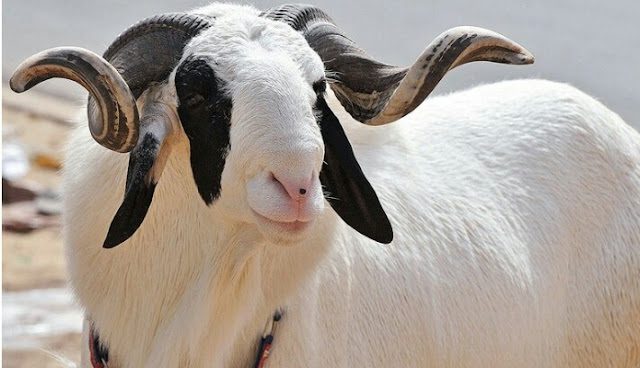
Complete Guide to Raising Sheep for Meat, Wool and Breeding
Sheep farming is one of the most profitable livestock businesses for both small-scale and commercial farmers. Sheep are easy to manage, require less space than cattle, reproduce quickly, and can generate income through meat, wool, breeding stock, manure, and even milk in some breeds.
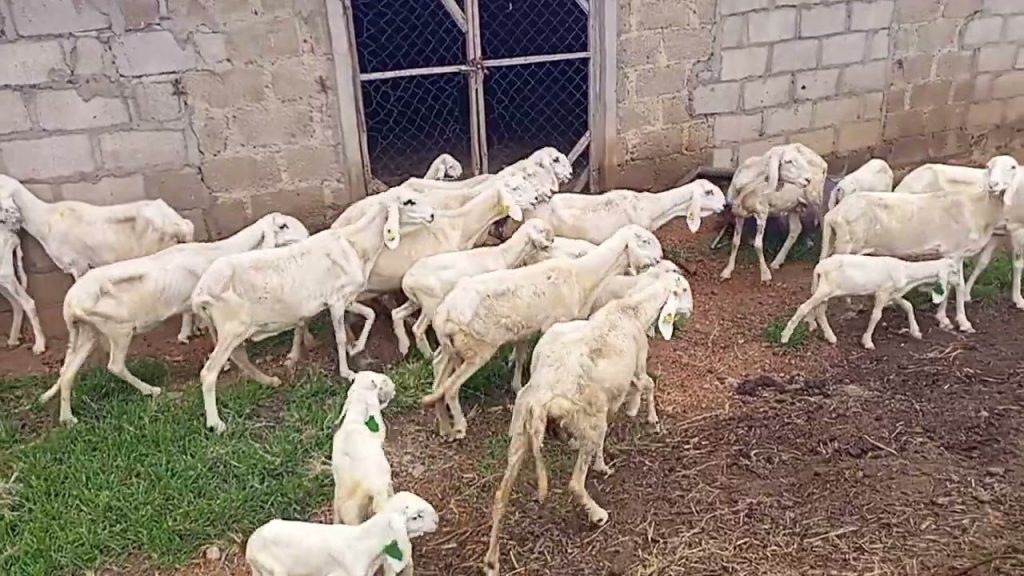
Whether you are planning to raise sheep as a side business or build a full-time commercial farm, understanding the basics is the key to success. This guide explains everything every young sheep farmer should know before getting started.
Why Start Sheep Farming?
There are many reasons why sheep farming is a good investment.
1. High Demand for Sheep Meat
Mutton and lamb are consumed throughout the world and are especially in high demand during religious festivals, weddings, and celebrations.
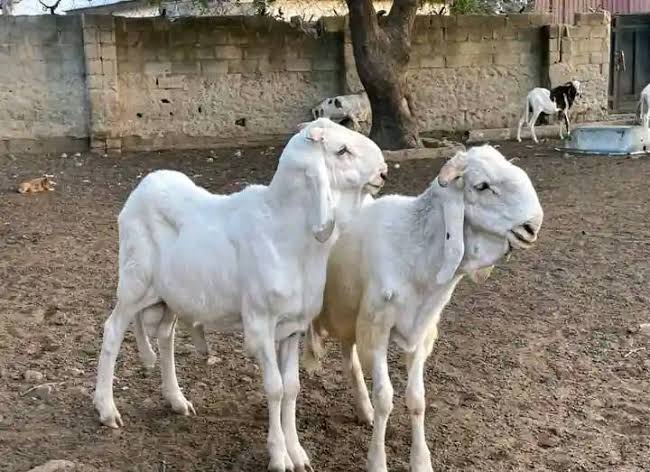
2. Multiple Income Sources
A sheep farmer can earn money from:
- Selling lambs
- Selling breeding rams
- Selling breeding ewes
- Meat production
- Wool production
- Sheep manure
- Sheep milk (selected breeds)
- Hides and skins
This makes sheep farming a diversified business.
Understanding the Different Types of Sheep Farming
Before buying sheep, decide your farming goal.
Meat Production
The main objective is producing lambs for slaughter.
Popular meat breeds include:
- Dorper
- Suffolk
- Texel
- Hampshire
- Katahdin
These breeds grow quickly and produce high-quality meat.
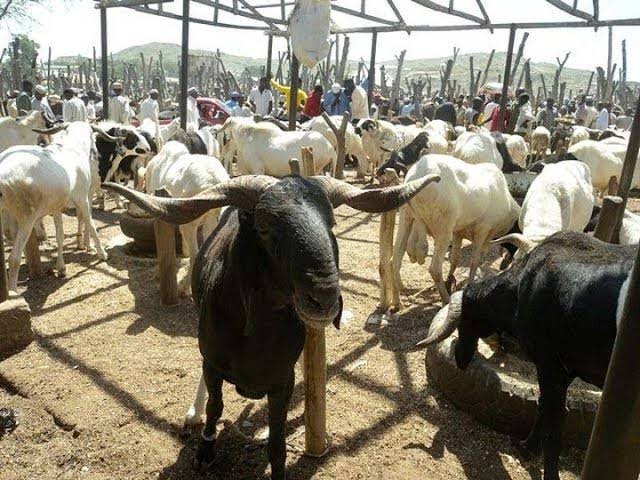
Wool Production
Some breeds are specifically raised for their fleece.
Examples include:
- Merino
- Rambouillet
- Romney
Good wool management increases farm income.
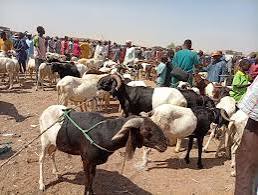
Breeding Business
Many farmers specialize in producing quality breeding stock.
They sell:
- Rams
- Ewes
- Pregnant ewes
- Elite genetics
This usually provides higher profits than meat production.
Mixed Production
Many successful farms combine:
- Meat
- Wool
- Breeding
This spreads business risks and increases profitability.
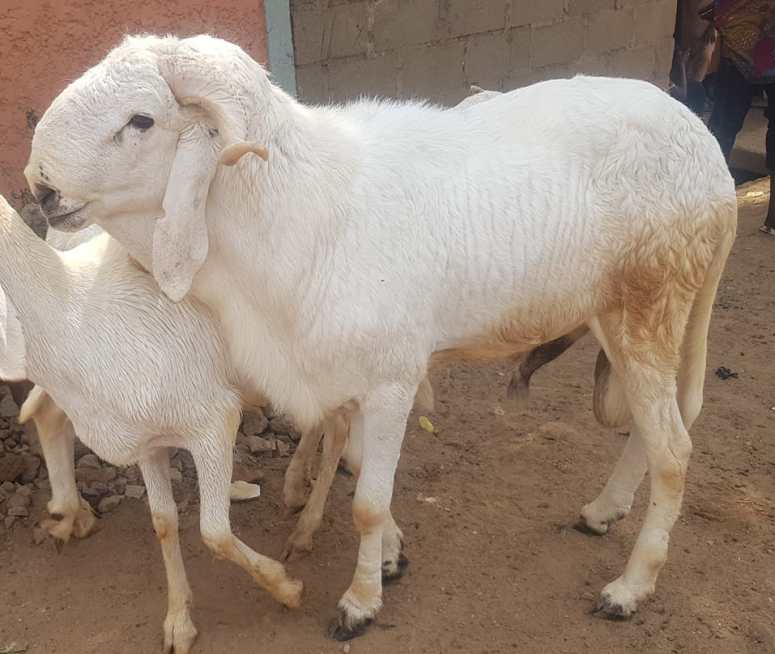
Choosing the Right Sheep Breed
Selecting the right breed depends on:
- Climate
- Market demand
- Feed availability
- Farming experience
- Production goal
Look for breeds that are:
- Healthy
- Fast-growing
- Disease resistant
- Fertile
- Easy to manage
Avoid buying animals with unknown health histories.
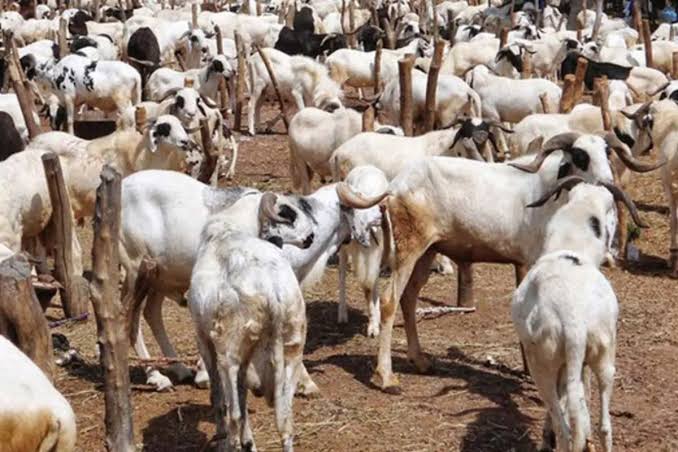
How Many Sheep Should Beginners Start With?
Starting small reduces mistakes.
Recommended flock size:
- 5–10 ewes
- 1 healthy ram
As experience grows, gradually expand the flock.
Housing for Sheep
Good housing protects sheep from:
- Rain
- Strong wind
- Predators
- Heat
- Diseases
A good sheep house should have:
- Proper ventilation
- Dry flooring
- Clean bedding
- Good drainage
- Enough feeding space
- Separate pens for sick animals
- Lambing pens
Avoid overcrowding.
Feeding Sheep Properly
Nutrition is one of the biggest factors affecting productivity.
Sheep require:
Pasture
Fresh grass is the cheapest feed.
Examples include:
- Guinea grass
- Elephant grass
- Ryegrass
- Clover
- Alfalfa
Hay
Useful during dry seasons when pasture is limited.
Good hay includes:
- Rhodes hay
- Alfalfa hay
- Grass hay
Concentrates
Extra feed is needed for:
- Pregnant ewes
- Lactating ewes
- Growing lambs
- Breeding rams
Examples:
- Maize
- Wheat bran
- Soybean meal
- Cottonseed cake
Minerals
Provide:
- Salt licks
- Mineral blocks
- Calcium
- Phosphorus
- Selenium
Mineral deficiencies reduce fertility and growth.
Clean Water
Sheep should always have access to fresh drinking water.
Water intake increases during:
- Hot weather
- Pregnancy
- Lactation
Breeding Sheep
Healthy breeding produces stronger lambs.
Good breeding practices include:
- Use healthy rams
- Avoid inbreeding
- Keep breeding records
- Select productive ewes
Breeding Age
Generally:
- Ewes: 8–12 months depending on breed and body condition
- Rams: 7–10 months, though many farmers wait until they are more mature for regular breeding
Do not breed underweight animals.
Pregnancy
Gestation lasts about:
147–152 days
Pregnant ewes need:
- Good nutrition
- Less stress
- Vaccination
- Deworming when advised
- Clean housing
Lambing
Signs of lambing include:
- Swollen udder
- Restlessness
- Nesting behavior
- Vulva swelling
- Reduced appetite
Provide clean lambing pens.
Caring for Newborn Lambs
Immediately after birth:
- Clear the nose and mouth
- Dry the lamb if necessary
- Ensure it suckles colostrum within the first few hours
- Dip the navel with iodine
- Keep the lamb warm
- Monitor for weakness
Early care greatly improves survival.
Weaning Lambs
Most lambs are weaned at:
8–12 weeks
Provide:
- Starter feed
- Hay
- Clean water
- Minerals
Health Management
Disease prevention is cheaper than treatment.
Develop a health program that includes:
- Vaccination
- Deworming
- Hoof trimming
- Parasite control
- Regular veterinary checks
Common Sheep Diseases
Some common diseases include:
- Foot rot
- Pneumonia
- Mastitis
- Internal worms
- External parasites
- Enterotoxemia
- Sheep pox (where present)
Early treatment reduces losses.
Parasite Control
Parasites reduce growth and fertility.
Control methods include:
- Rotational grazing
- Regular deworming
- Clean housing
- Avoid overstocking
- Quarantine new animals
Wool Management
If raising wool breeds:
- Shear sheep once or twice a year, depending on the breed and climate
- Store wool properly
- Keep fleece clean
- Control external parasites
Good-quality wool attracts better prices.
Record Keeping
Every farmer should keep records of:
- Births
- Deaths
- Vaccinations
- Deworming
- Breeding
- Feed purchases
- Sales
- Expenses
- Profits
Records help improve decision-making.
Marketing Sheep
Markets include:
- Local meat markets
- Restaurants
- Hotels
- Supermarkets
- Livestock markets
- Breeding farms
- Export markets where available
Selling during festive seasons often brings higher prices.
Advantages of Sheep Farming
- Low startup cost compared to cattle
- Fast reproduction
- High meat demand
- Multiple income streams
- Easy management
- Efficient use of pasture
- Adaptable to many climates
- Suitable for small farms
Challenges of Sheep Farming
- Disease outbreaks
- Predator attacks
- Feed shortages during dry seasons
- Market price fluctuations
- Parasite infestations
- Theft
- Poor breeding management
Proper planning helps overcome these challenges.
Common Mistakes Beginners Should Avoid
- Buying unhealthy sheep
- Overcrowding animals
- Poor feeding
- Ignoring vaccinations
- Skipping deworming
- Keeping poor records
- Allowing inbreeding
- Starting with too many sheep
- Neglecting water supply
- Selling animals too early
Tips for Success in Sheep Farming
- Start with quality breeding stock.
- Learn basic sheep health management.
- Feed balanced diets throughout the year.
- Maintain clean housing.
- Practice rotational grazing where possible.
- Keep detailed farm records.
- Work with a qualified veterinarian.
- Join local sheep farmers’ associations to learn from experienced producers.
- Focus on improving genetics over time.
- Develop reliable buyers before expanding your flock.
Conclusion
Sheep farming is a rewarding enterprise that can provide a steady income through meat, wool, breeding animals, and manure. Success comes from choosing the right breeds, providing proper nutrition, maintaining good housing, preventing disease, and keeping accurate records. For young farmers, starting with a small flock and gradually expanding as skills and resources grow is often the best path to building a profitable and sustainable sheep farming business.
Leave a Reply