Hair Sheep vs Wool Sheep: A Complete Guide for Beginners
If you are planning to start a sheep farm, one of the first decisions you need to make is whether to raise hair sheep or wool sheep. While both belong to the same species, they differ in appearance, management, production purpose, and profitability.
Understanding these differences will help you choose the right breed for your climate, budget, and farming goals.
What Are Hair Sheep?


Hair sheep are breeds that grow hair instead of thick wool. They naturally shed their coats once or twice a year, so they do not require shearing.
These breeds are mainly raised for:
- Meat production
- Breeding
- Low-cost farming
- Tropical and hot climates
Common Hair Sheep Breeds
- Dorper
- Katahdin
- West African Dwarf
- Blackhead Persian
- St. Croix
What Are Wool Sheep?


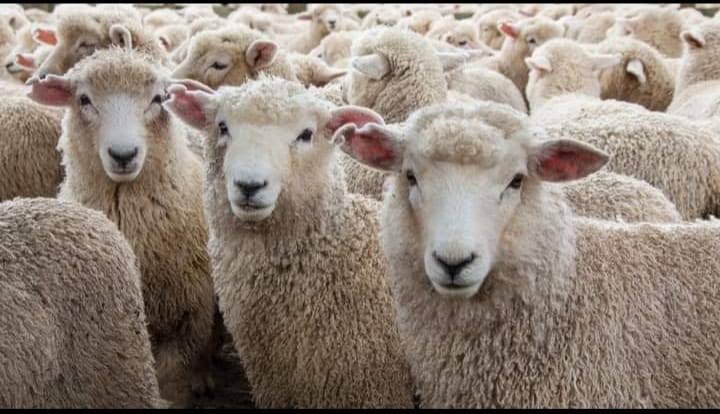
Wool sheep produce a thick fleece that must be shorn regularly. Besides meat, they are also raised for wool production.
These breeds are common in cooler climates where wool quality is highly valued.
Common Wool Sheep Breeds
- Merino
- Romney
- Corriedale
- Rambouillet
- Suffolk
Major Differences Between Hair Sheep and Wool Sheep
| Feature | Hair Sheep | Wool Sheep |
|---|---|---|
| Body Covering | Hair | Wool |
| Shearing Needed | No | Yes |
| Main Purpose | Meat | Wool and meat |
| Heat Tolerance | Excellent | Moderate |
| Cold Tolerance | Moderate | Excellent |
| Parasite Resistance | Higher | Lower |
| Maintenance Cost | Low | Higher |
| Wool Income | None | Yes |
| Best Climate | Tropical | Temperate and cold |
Hair Sheep Advantages
1. No Shearing Required
Hair sheep naturally shed their hair every year, saving money on shearing.
2. Lower Maintenance Costs
You spend less on:
- Labour
- Equipment
- Wool handling
- Animal grooming
3. Better Heat Tolerance
Hair sheep perform very well in hot countries such as:
- Nigeria
- Ghana
- Kenya
- Uganda
- Tanzania
4. Better Parasite Resistance
Many hair sheep breeds naturally resist internal parasites better than wool breeds.
5. Faster Reproduction
Most hair sheep:
- Reach maturity earlier
- Produce twins frequently
- Have strong mothering ability
6. Excellent Meat Quality
Hair sheep are well known for producing:
- Lean meat
- Tender meat
- Mild flavour with less fat
Hair Sheep Disadvantages
- No income from wool.
- Lower market value in countries where wool is in demand.
- Some breeds are smaller than wool sheep.
Wool Sheep Advantages
1. Wool Production
Wool can be sold for making:
- Clothing
- Blankets
- Carpets
- Insulation
- Yarn
This provides farmers with an additional source of income.
2. Better Cold Protection
The thick fleece helps sheep survive harsh winters.
3. Larger Body Size
Many wool breeds grow bigger and produce more meat.
4. High-Value Breeds
Premium wool, especially from Merino sheep, can command higher prices.
Wool Sheep Disadvantages
- Need regular shearing.
- Higher labour costs.
- Greater risk of heat stress in hot climates.
- Wool attracts dirt, burrs, and parasites.
- Higher management requirements.
Feeding Requirements
Both hair and wool sheep require:
- Fresh pasture
- Hay
- Clean water
- Mineral salt
- Concentrate feed when necessary
Hair sheep generally perform better on lower-quality forage than many wool breeds.
Housing Requirements
Provide:
- Dry flooring
- Good ventilation
- Protection from rain
- Adequate shade
- Secure fencing
- Clean drinking water
Hair sheep require less protection against overheating, while wool sheep need extra care during hot weather.
Disease Resistance
Hair sheep generally show better resistance to:
- Internal parasites
- Foot problems
- Skin infections
Wool sheep require more regular health monitoring because their fleece can trap moisture and dirt.
Which Is Better for Meat Production?
Hair sheep are usually preferred for commercial meat farming because they:
- Grow quickly.
- Convert feed efficiently.
- Produce lean meat.
- Require less maintenance.
Which Is Better for Wool Production?
If your goal is to produce wool for sale or processing, wool sheep are the obvious choice because hair sheep do not produce marketable fleece.
Which Is Better for Nigeria and Other Tropical Countries?
Hair sheep are generally the better option because they:
- Tolerate high temperatures.
- Thrive in humid conditions.
- Resist parasites better.
- Have lower management costs.
- Do not require shearing.
For most beginners in West Africa, hair sheep are often the more practical and profitable choice.
Profitability Comparison
| Category | Hair Sheep | Wool Sheep |
|---|---|---|
| Meat Income | High | High |
| Wool Income | None | High |
| Maintenance Cost | Low | Higher |
| Labour Requirement | Low | High |
| Tropical Suitability | Excellent | Fair |
| Overall Ease for Beginners | Excellent | Moderate |
Which One Should You Choose?
Choose hair sheep if you:
- Want to produce meat.
- Live in a hot climate.
- Have a limited budget.
- Want a low-maintenance flock.
- Are new to sheep farming.
Choose wool sheep if you:
- Live in a cool or temperate region.
- Want to earn income from wool.
- Can manage the extra labour and costs of shearing and fleece care.
Final Thoughts
Hair sheep and wool sheep both have important roles in livestock farming. Hair sheep are ideal for farmers seeking a simple, low-cost system focused on meat production, particularly in tropical regions. Wool sheep are better suited to cooler climates where both wool and meat can provide profitable returns.
Before buying sheep, consider your local climate, available feed, labour, market demand, and long-term farming goals. Choosing the right type of sheep from the beginning can improve productivity, reduce costs, and increase the success of your sheep farming enterprise.
Leave a Reply