Cost of Starting a Cattle Farm: A Complete Guide for Beginners
Starting a cattle farm can be a profitable long-term investment, but success begins with proper planning and understanding the costs involved. Whether you want to raise cattle for beef, dairy, or breeding, knowing how much capital you need and where to spend it will help you avoid costly mistakes.
This guide explains the major expenses involved in starting a cattle farm and offers practical advice for young farmers and anyone planning to enter the cattle farming business.
Why You Should Plan Your Budget
Many new farmers focus only on buying cattle, forgetting that a successful farm also requires land, housing, feed, water, healthcare, labor, and equipment. A well-planned budget ensures that your farm remains productive and financially sustainable.
Major Costs of Starting a Cattle Farm
1. Land
Land is one of the biggest investments in cattle farming.
You can:
- Buy farmland.
- Lease land if you have limited capital.
- Use family-owned land if available.
The cost depends on:
- Location.
- Land size.
- Soil quality.
- Access to roads and markets.
- Availability of water.
Ensure the land has enough grazing space and a reliable water source.
2. Buying Cattle
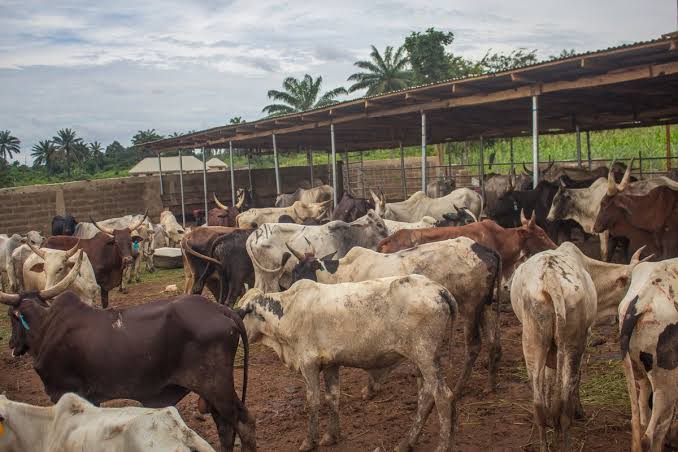
The type of cattle you choose depends on your farming goals.
Examples include:
- Beef cattle.
- Dairy cattle.
- Breeding cattle.
The price varies depending on:
- Breed.
- Age.
- Weight.
- Health status.
- Pregnancy (for cows).
- Market demand.
Always buy healthy animals from reputable breeders or livestock markets.
3. Housing and Shelter
Cattle need proper shelter to protect them from:
- Rain.
- Excessive heat.
- Cold weather.
- Strong winds.
Construction costs may include:
- Roofing.
- Fencing.
- Feeding areas.
- Calving pens.
- Storage rooms.
- Drainage systems.
Good housing reduces stress, disease, and production losses.
4. Fencing
Strong fencing keeps cattle secure and protects them from predators and theft.
Common fencing materials include:
- Barbed wire.
- Electric fencing.
- Wooden posts.
- Concrete posts.
- Gates.
Fence maintenance should also be included in your yearly budget.
5. Feeding Costs
Feed is usually the largest recurring expense in cattle farming.
Common feed includes:
- Fresh pasture.
- Hay.
- Silage.
- Grain.
- Commercial concentrates.
- Mineral supplements.
- Salt licks.
Feed costs increase during dry seasons when natural pasture becomes scarce.
6. Water Supply
Cattle consume large amounts of clean water every day.
Possible expenses include:
- Borehole drilling.
- Water tanks.
- Pipes.
- Water troughs.
- Pumps.
- Water storage systems.
Never underestimate the importance of a reliable water supply.
7. Veterinary Care
Healthy cattle produce better results.
Budget for:
- Vaccinations.
- Deworming.
- Disease treatment.
- Pregnancy checks.
- Artificial insemination (if used).
- Emergency medical care.
Regular veterinary care prevents major losses.
8. Farm Equipment
Basic equipment may include:
- Feed troughs.
- Water troughs.
- Wheelbarrows.
- Shovels.
- Buckets.
- Ropes.
- Weighing scales.
- Milking equipment (for dairy farms).
- Feed storage containers.
Buying quality equipment saves money over time.
9. Labour
As your farm grows, you may need workers for:
- Feeding cattle.
- Cleaning pens.
- Grazing management.
- Milking.
- Security.
- Farm maintenance.
Labour costs depend on the number of employees and local wage rates.
10. Transport
Transportation expenses include:
- Buying cattle.
- Delivering feed.
- Veterinary visits.
- Selling animals.
- Moving cattle between farms.
Having access to reliable transport reduces stress on the animals.
11. Insurance
Livestock insurance protects your investment against risks such as:
- Disease outbreaks.
- Theft.
- Fire.
- Flooding.
- Accidental deaths.
Although optional in some areas, insurance provides financial protection.
12. Licences and Registration
Depending on your country or state, you may need:
- Farm registration.
- Livestock permits.
- Business registration.
- Health certificates.
Check with your local agricultural authorities before starting.
13. Emergency Fund
Unexpected expenses can arise from:
- Disease outbreaks.
- Feed shortages.
- Equipment breakdowns.
- Market price fluctuations.
- Extreme weather.
Keeping an emergency fund helps your farm survive difficult periods.
Ways to Reduce Startup Costs
New farmers can lower expenses by:
- Starting with a small herd.
- Leasing land instead of buying.
- Growing their own pasture.
- Purchasing quality second-hand equipment.
- Building simple but durable shelters.
- Learning basic animal healthcare.
- Buying cattle during favorable market periods.
Common Mistakes Beginners Should Avoid
Avoid these common errors:
- Buying too many cattle too soon.
- Ignoring veterinary care.
- Underestimating feed costs.
- Using poor-quality breeding stock.
- Overcrowding animals.
- Poor record keeping.
- Starting without a business plan.
- Failing to plan for dry-season feeding.
Is Cattle Farming Profitable?
Yes, cattle farming can be highly profitable when managed properly. Income can come from:
- Selling beef cattle.
- Selling milk.
- Selling breeding stock.
- Selling calves.
- Selling manure as organic fertilizer.
- Selling hides and skins in some markets.
Profitability depends on good management, healthy animals, proper feeding, and access to reliable markets.
Final Thoughts
Starting a cattle farm requires careful planning, patience, and adequate capital. While the initial investment can be significant, a well-managed cattle farm can provide a steady source of income for many years. Begin with a realistic budget, invest in healthy animals, maintain good farm management practices, and continue learning as your operation grows. With dedication and sound financial planning, cattle farming can become a successful and rewarding agricultural business.
Leave a Reply