Future of Cattle Farming: What Every Young Farmer Should Know
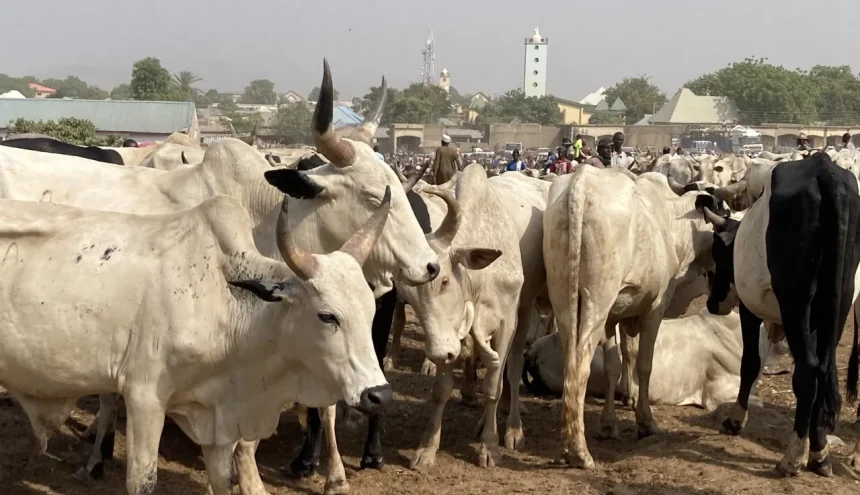
The future of cattle farming is bright for farmers who are willing to learn, adopt modern practices, and run their farms like a business. As the world’s population continues to grow, the demand for beef, milk, leather, and other cattle products is expected to increase. This creates excellent opportunities for young people and new investors who want to enter the cattle farming industry.
Whether you plan to raise cattle for meat production, dairy farming, breeding, or mixed farming, understanding future trends will help you build a profitable and sustainable business.
Why the Future of Cattle Farming Is Promising
Several factors make cattle farming one of the most important agricultural businesses:
- Rising demand for beef and dairy products.
- Population growth increases food demand.
- Improved breeding technologies.
- Better animal healthcare.
- Modern farming equipment.
- Growing export opportunities.
- Increased government support for livestock farming in many countries.
- Rising demand for organic and naturally raised beef.
Farmers who embrace these changes will be better positioned for long-term success.
Increasing Demand for Beef
As incomes rise and populations grow, more people consume beef than ever before. Restaurants, supermarkets, hotels, and meat processors require a steady supply of quality beef.
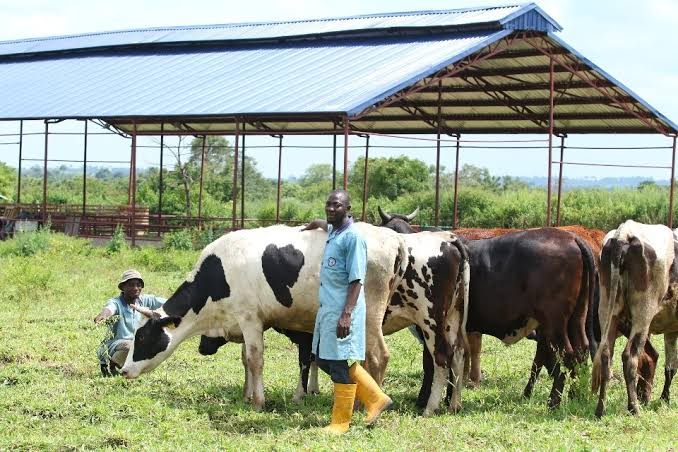
This growing demand creates opportunities for cattle farmers to expand production and earn higher profits.
Growth of the Dairy Industry
Milk consumption continues to rise because it is used to produce:
- Cheese
- Butter
- Yogurt
- Ice cream
- Powdered milk
- Infant formula
Farmers who rear dairy breeds can benefit from daily milk sales while also earning income from breeding calves.
Technology Is Transforming Cattle Farming
Modern cattle farming is becoming smarter through technology.
Examples include:
- GPS tracking for grazing cattle
- Electronic ear tags
- Automated feeding systems
- Smart water systems
- Digital farm management software
- Artificial insemination
- Pregnancy scanning
- Drones for monitoring large grazing areas
Technology reduces labor costs while improving productivity.

Better Breeding Techniques
Modern breeding helps farmers produce cattle that:
- Grow faster.
- Produce more milk.
- Resist diseases.
- Convert feed efficiently.
- Reach market weight earlier.
Using quality breeding stock improves farm profitability over time.
Climate Change Will Affect Farming
Climate change is creating new challenges for cattle farmers through:
- Heat stress
- Drought
- Poor pasture growth
- Water shortages
- New diseases
- Extreme weather events
Future farmers must prepare by improving water storage, planting drought-resistant forage, and providing adequate shade.
Sustainable Cattle Farming
Consumers increasingly prefer meat and dairy produced using environmentally friendly methods.
Sustainable practices include:
- Rotational grazing
- Proper manure management
- Protecting water sources
- Preventing overgrazing
- Planting improved pasture grasses
- Conserving soil
These methods improve productivity while protecting natural resources.
Precision Livestock Farming
Precision farming uses technology to monitor cattle health and performance.
Farmers can track:
- Body temperature
- Weight gain
- Feed intake
- Milk production
- Activity levels
- Disease symptoms
Early detection of health problems reduces losses and improves animal welfare.
Growing Demand for Organic Beef
Many consumers are willing to pay more for cattle raised naturally without unnecessary antibiotics or growth promoters.
Organic beef production can increase profits if farmers meet certification requirements.
Export Opportunities
Many countries import beef and dairy products because local production cannot meet demand.
Farmers who maintain high-quality production standards may benefit from supplying export markets through cooperatives or processing companies.
Better Veterinary Services
Future livestock farming will benefit from:
- Faster disease diagnosis
- Improved vaccines
- Better medicines
- Mobile veterinary services
- Online veterinary consultations
Healthy cattle produce better results and reduce financial losses.
Improved Animal Nutrition
Scientists continue to develop better feeds that improve:
- Weight gain
- Milk production
- Fertility
- Disease resistance
- Feed efficiency
Good nutrition remains one of the most important investments in cattle farming.
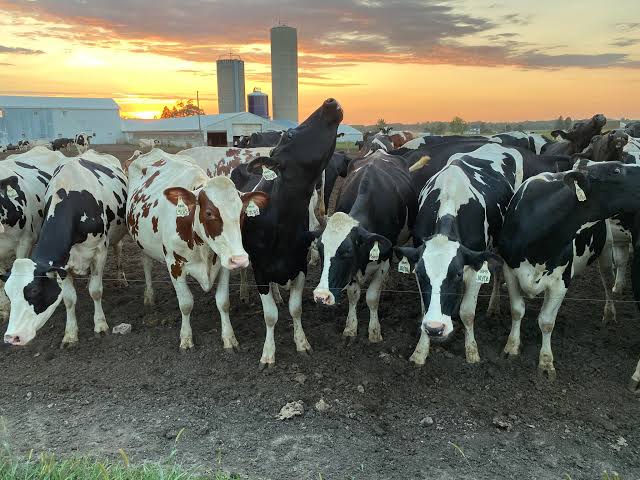
Artificial Intelligence in Cattle Farming
Artificial Intelligence (AI) is beginning to assist livestock farmers by:
- Detecting sick animals early.
- Predicting calving dates.
- Monitoring feeding behavior.
- Identifying fertility problems.
- Improving farm record keeping.
Although AI may not be affordable for every small farmer today, costs are expected to decrease over time.
Challenges Future Farmers Must Prepare For
The future also brings challenges such as:
- Rising feed costs
- Disease outbreaks
- Climate change
- Market price fluctuations
- Land shortages
- Theft
- High transportation costs
- Limited access to finance
Planning ahead helps reduce these risks.
Skills Every Young Cattle Farmer Should Develop
Success in future cattle farming requires more than owning animals.
Important skills include:
- Animal husbandry
- Farm record keeping
- Financial management
- Disease prevention
- Marketing
- Pasture management
- Breeding management
- Business planning
- Digital technology
- Risk management
Continuous learning is essential.
Diversifying Farm Income
Modern cattle farmers should avoid relying on a single source of income.
Additional income opportunities include:
- Selling breeding bulls
- Selling heifers
- Milk production
- Beef production
- Organic manure
- Biogas production
- Leather supply
- Feed production
- Agritourism
- Training new farmers
Diversification makes the farm more resilient during difficult seasons.
Government and Private Sector Support
Many governments and organizations provide support through:
- Livestock loans
- Farmer training
- Vaccination campaigns
- Improved breeding programs
- Agricultural grants
- Extension services
Young farmers should stay informed about available opportunities in their area.
Tips for Young People Entering Cattle Farming
- Start with a manageable number of healthy cattle.
- Buy quality breeding stock.
- Learn from experienced farmers.
- Keep accurate farm records.
- Vaccinate cattle regularly.
- Invest in quality feed and clean water.
- Build proper housing and fencing.
- Prepare for emergencies and disease outbreaks.
- Focus on animal welfare.
- Treat farming as a long-term business.
Conclusion
The future of cattle farming offers exciting opportunities for young farmers who are willing to adopt modern farming practices, embrace technology, and continuously improve their knowledge. While challenges such as climate change, disease, and rising production costs exist, proper planning and sustainable management can help farmers overcome them.
With dedication, good management, and a willingness to learn, cattle farming can provide a reliable source of income, contribute to food security, and become a successful business for generations to come.
Leave a Reply