Duck Farming Around the World
Duck farming is one of the fastest-growing livestock businesses worldwide. Millions of ducks are raised every year for meat, eggs, feathers, breeding, and even pest control in crop fields. Compared to many other poultry species, ducks are hardy, adaptable, and relatively easy to manage, making them an excellent choice for young farmers and entrepreneurs.
Whether you are planning to start a small backyard flock or build a commercial duck farm, understanding how duck farming is practiced around the world can help you make better decisions and build a profitable business.
What Is Duck Farming?
Duck farming is the process of raising domestic ducks for commercial or household purposes. Farmers raise ducks mainly for:
- Meat production
- Egg production
- Breeding stock
- Ducklings for sale
- Organic fertilizer (duck manure)
- Feathers and down
- Natural pest control in rice fields and gardens
Why Duck Farming Is Popular Worldwide
Duck farming has expanded across many countries because ducks:
- Grow quickly.
- Require less intensive care than many other poultry species.
- Can adapt to different climates.
- Are resistant to many common poultry diseases.
- Eat a wide variety of feeds.
- Produce nutritious meat and eggs.
- Can be raised on small or large farms.
Leading Duck Farming Countries
Many countries have developed successful duck industries.
China
China is the world’s largest duck producer. Millions of ducks are raised every year for meat, eggs, and processed products. Duck farming is highly commercialized, with modern hatcheries, feed mills, and processing plants.
Vietnam
Duck farming is common in rice-growing areas. Farmers often allow ducks to forage in harvested rice fields where they feed on insects, weeds, and leftover grains.
Indonesia
Many rural households keep ducks for egg production. Duck eggs are widely consumed and used in local food processing.
Thailand
Thailand has a well-developed duck meat industry. Many farms use improved breeds with modern feeding and housing systems.
Bangladesh
Duck farming plays an important role in rural livelihoods because ducks perform well in wetland environments where chickens may struggle.
India
India raises millions of ducks for eggs and meat, particularly in states with abundant water resources. Smallholder farmers benefit from the ducks’ ability to forage naturally.
Nigeria
Duck farming is becoming increasingly popular due to rising demand for duck meat and eggs. Young farmers are beginning to recognize ducks as a profitable alternative to chickens because they are hardy and relatively easy to rear.
United States
Commercial duck farming mainly focuses on meat production. Modern farms use improved breeding, nutrition, and biosecurity to maximize productivity.
France
France is famous for producing premium duck products, including specialty meat and foie gras. The country has a long tradition of duck breeding.
Popular Duck Breeds Around the World
Different breeds serve different farming goals.
Meat Breeds
- Pekin
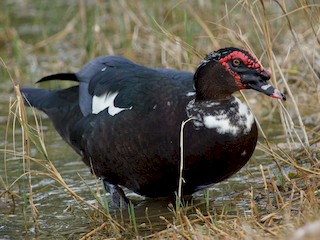
- Muscovy
- Cherry Valley
- Aylesbury
Egg Breeds
- Khaki Campbell
- Indian Runner
- Welsh Harlequin
Dual-Purpose Breeds
- Buff Duck
- Saxony
- Ancona
Duck Farming Systems
Free-Range Farming
Ducks roam freely to search for food while receiving supplementary feed.
Semi-Intensive Farming
Ducks have shelter but spend part of the day foraging outside.
Intensive Commercial Farming
Large farms keep ducks in controlled housing with balanced feeding, disease prevention, and professional management.
Benefits of Duck Farming
Duck farming offers many advantages:
- Lower startup costs than many livestock businesses.
- Fast growth and early market readiness.
- Strong demand for duck meat.
- Good egg production.
- Efficient feed conversion.
- Additional income from breeding and duckling sales.
- Valuable manure for crop farming.
- Suitable for both rural and urban farmers.
Challenges of Duck Farming
Like any agricultural enterprise, duck farming also has challenges:
- Disease outbreaks if biosecurity is poor.
- High feed costs.
- Predators in free-range systems.
- Limited access to quality breeding stock in some areas.
- Poor market planning can reduce profits.
- Inadequate housing may increase mortality.
Proper planning and good farm management can reduce these risks.
Tips for Young People Starting Duck Farming
If you are new to duck farming:
- Start with a manageable number of healthy ducklings.
- Choose a breed that matches your farming goals.
- Build clean, dry, and secure housing.
- Provide constant access to clean drinking water.
- Feed a balanced diet suitable for each growth stage.
- Vaccinate where recommended and monitor bird health.
- Keep records of expenses, feed, growth, and sales.
- Learn from experienced farmers and agricultural extension officers.
- Develop a marketing plan before your ducks reach market age.
Income Opportunities
Duck farming provides multiple income streams:
- Selling live ducks
- Selling processed duck meat
- Selling table eggs
- Selling fertile eggs
- Selling day-old ducklings
- Selling breeding stock
- Producing organic manure
- Selling feathers and down
Diversifying your products can increase profitability.
Future of Duck Farming
Global demand for duck meat and eggs continues to grow due to increasing populations, improved nutrition awareness, and expanding food markets. Advances in breeding, disease control, and farm management are making duck farming more efficient and profitable than ever before.
For young entrepreneurs interested in agriculture, duck farming offers a practical opportunity to build a sustainable business with relatively low investment and strong long-term potential.
Conclusion
Duck farming is a rewarding agricultural enterprise practiced across the world. From small family farms to large commercial operations, ducks provide meat, eggs, breeding stock, and valuable income for millions of farmers. With proper planning, good management, quality feeding, and effective disease prevention, anyone can build a successful duck farming business. For young people looking to enter agriculture, duck farming is an excellent way to develop practical skills, create employment, and contribute to food security while earning a reliable income.
Leave a Reply