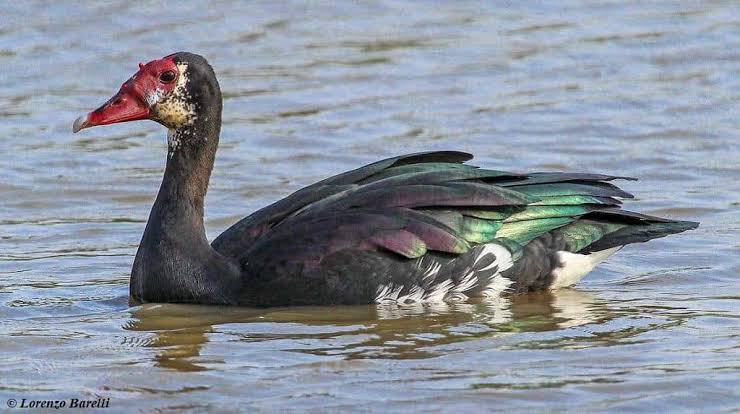
Benefits of Duck Farming
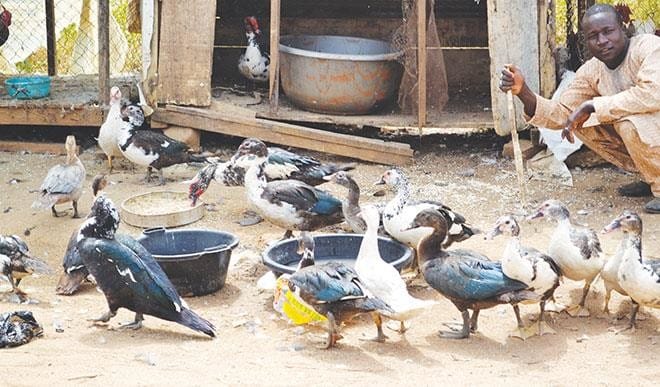
Duck farming is one of the most profitable and sustainable livestock businesses anyone can start. Ducks are hardy birds that require less intensive management than many other poultry species. Whether you are a young farmer looking for a new business opportunity or someone planning to diversify your farm, duck farming offers numerous economic and nutritional benefits.
1. High Profit Potential
Duck farming can generate income through the sale of:
- Duck meat
- Duck eggs
- Day-old ducklings
- Breeding stock
- Feathers
- Organic manure
With proper management and access to good markets, duck farming can become a reliable source of income throughout the year.
2. Low Start-Up Cost
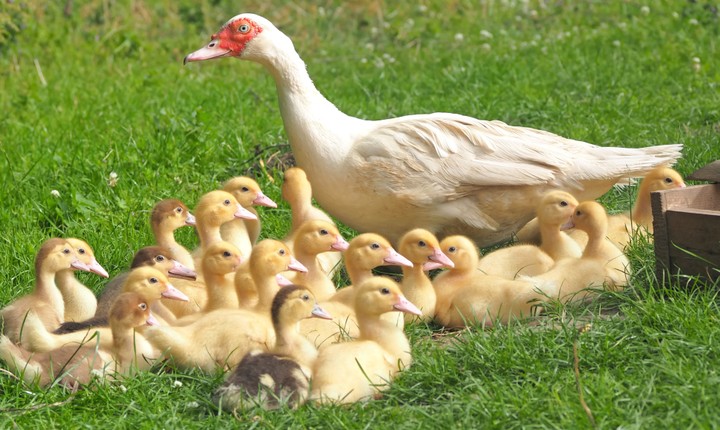
Compared to many livestock enterprises, duck farming requires relatively little capital. Small-scale farmers can begin with a few ducklings and gradually expand their flock as profits increase.
3. Fast Growth Rate
Many meat duck breeds reach market weight within 7–10 weeks. This allows farmers to recover their investment quickly and produce multiple batches each year.
4. Excellent Egg Production
Some laying duck breeds can produce between 200 and 300 eggs per year. Duck eggs are larger than chicken eggs and are highly valued for baking and cooking.
5. Ducks Are Hardy Birds
Ducks generally have stronger natural resistance to many common poultry diseases than chickens. While good biosecurity and vaccination programs are still important, ducks are often easier for beginners to manage.
6. Lower Feed Costs
Ducks enjoy foraging for:
- Snails
- Insects
- Grass
- Small fish
- Weeds
- Leftover grains
When raised in suitable environments, natural foraging can reduce commercial feed costs.
7. Suitable for Small and Large Farms
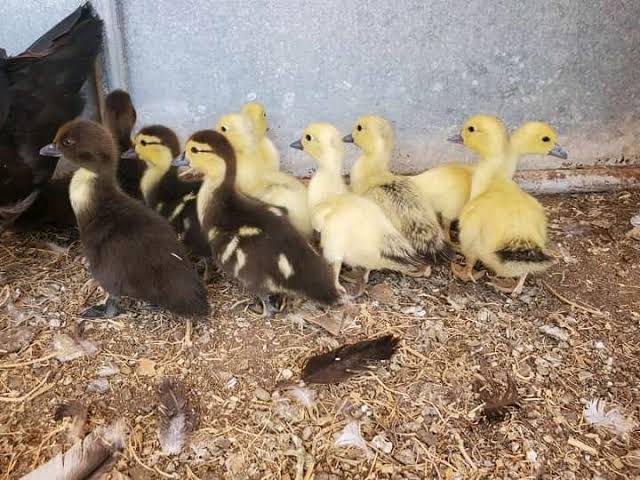
Duck farming can be practiced:
- In backyards
- On small family farms
- In commercial poultry operations
- Along rice fields
- Around ponds and wetlands
This flexibility makes duck farming suitable for many farming systems.
8. Natural Pest Control
Ducks help control pests by eating insects, slugs, snails, and other harmful organisms. Farmers growing vegetables or rice often use ducks as a natural way to reduce pest populations.
9. Produces Valuable Organic Manure
Duck droppings are rich in nutrients and can improve soil fertility. The manure can be used in crop production or composted to produce high-quality organic fertilizer.
10. Strong Market Demand
Demand for duck meat and eggs continues to grow in many countries due to their rich flavor and nutritional value. Restaurants, hotels, supermarkets, and local markets all provide potential customers.
11. Diversified Income
Duck farmers are not limited to one product. Income can come from:
- Fresh eggs
- Processed eggs
- Meat
- Live ducks
- Ducklings
- Breeding birds
- Fertilizer
This diversification reduces business risk.
12. Easy to Manage
Ducks adapt well to different environments and require relatively simple housing with good ventilation, clean water, and protection from predators. They are suitable for beginners who are learning poultry farming.
13. Helps Improve Household Nutrition
Duck meat provides:
- High-quality protein
- Iron
- Zinc
- B vitamins
Duck eggs are rich in:
- Protein
- Healthy fats
- Vitamin A
- Vitamin D
- Selenium
These nutrients contribute to a healthy diet for farming families.
14. Suitable for Integrated Farming
Duck farming works well alongside:
- Fish farming
- Rice farming
- Vegetable farming
- Fruit orchards
This integration improves resource use and increases overall farm productivity.
15. Employment Opportunities
Commercial duck farming creates jobs in:
- Hatcheries
- Feed production
- Transportation
- Processing
- Marketing
- Veterinary services
It also provides opportunities for young entrepreneurs to build successful agribusinesses.
Tips for Young Duck Farmers
- Start with healthy ducklings from a reputable hatchery.
- Choose the right breed for meat, eggs, or dual purpose.
- Provide clean drinking water every day.
- Feed balanced poultry feed according to the ducks’ age.
- Keep housing clean, dry, and well ventilated.
- Protect ducks from predators and disease.
- Maintain good farm hygiene and biosecurity.
- Keep records of feed, health, egg production, and sales.
- Build relationships with buyers before your ducks reach market age.
- Continue learning modern duck management techniques.
Final Thoughts
Duck farming is an excellent agricultural business for young people and aspiring livestock farmers. It requires relatively low investment, offers multiple income streams, and provides nutritious food for families and communities. With proper planning, good management, and consistent care, duck farming can become a profitable and sustainable enterprise that contributes to food security and long-term financial success.
Leave a Reply