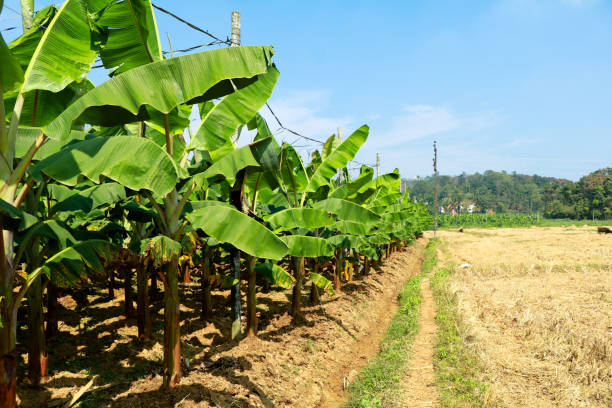
Commercial Plantain Farming Guide
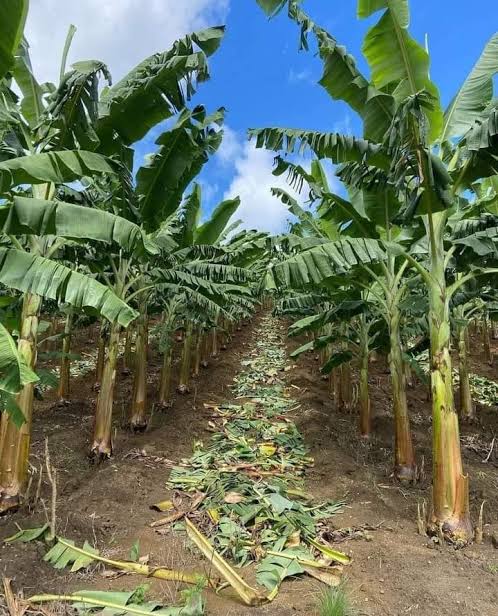
Commercial plantain farming is one of the most profitable agricultural businesses in many tropical countries. Plantain is a staple food consumed daily by millions of people, making it a crop with constant market demand. Whether sold fresh, processed into chips, flour, or exported, plantain offers excellent income opportunities for both small-scale and large-scale farmers.
If you are a young farmer or someone planning to invest in agriculture, this complete guide will teach you everything you need to know about commercial plantain farming.
What Is Commercial Plantain Farming?
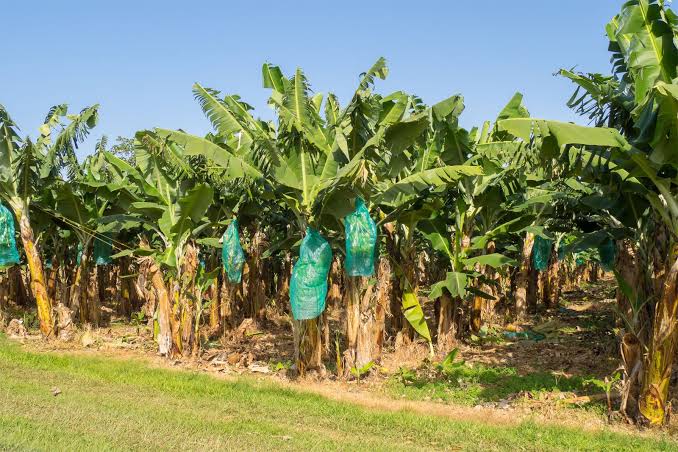
Commercial plantain farming is the large-scale cultivation of plantains for profit. Unlike backyard farming, commercial plantations are established with proper planning, improved planting materials, irrigation (where necessary), good farm management, and marketing strategies.
The aim is to maximize production while reducing costs and increasing profits.
Why Invest in Commercial Plantain Farming?
Plantain farming offers many advantages:
- High consumer demand throughout the year.
- Generates regular income.
- Can be harvested for several years after planting.
- Suitable for local and export markets.
- Creates employment opportunities.
- Plantain can be processed into many value-added products.
- Can be combined with other crops during the early stages of growth.
Best Climate for Plantain Farming
Plantain grows best in tropical and subtropical climates.
Ideal conditions include:
- Temperatures between 25°C and 35°C.
- Annual rainfall of 1,500–2,500 mm.
- High humidity.
- Plenty of sunlight.
- Areas protected from strong winds.
Best Soil for Plantain
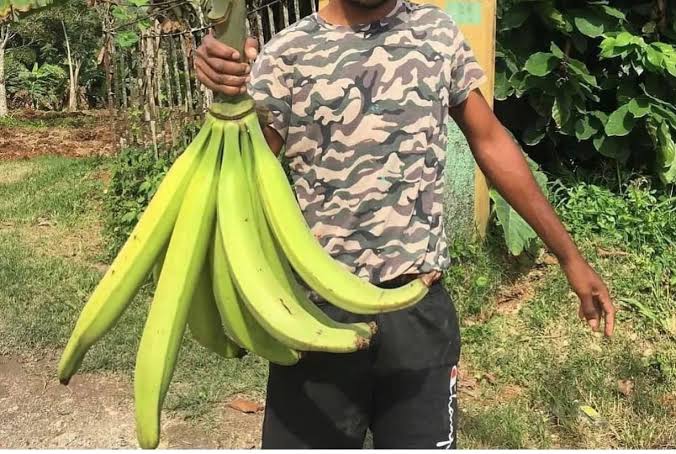
Healthy soil is one of the biggest factors affecting yield.
The ideal soil should be:
- Deep and fertile.
- Rich in organic matter.
- Well-drained.
- Loamy or sandy-loam.
- Slightly acidic to neutral (pH 5.5–7.0).
Avoid waterlogged areas because excessive moisture can cause root rot.
Choosing the Right Variety
Choose varieties that are:
- High yielding.
- Disease resistant.
- Popular in your local market.
- Suitable for your climate.
Always obtain healthy planting materials from certified sources.
Land Preparation
Before planting:
- Clear bushes and weeds.
- Remove tree stumps.
- Plough or till the land if necessary.
- Mark planting positions.
- Dig planting holes.
- Add compost or well-rotted manure before planting.
Good land preparation promotes strong root development.
Planting Materials
Commercial farmers usually plant:
- Sword suckers (preferred).
- Tissue-cultured plantlets.
Avoid diseased or weak suckers because they reduce productivity.
Planting Season
The best planting time is usually at the beginning of the rainy season.
Where irrigation is available, planting can be done throughout the year.
Plant Spacing
Proper spacing allows plants to receive enough sunlight and nutrients.
Common spacing includes:
- 3 m × 3 m
- 2.5 m × 3 m
Spacing depends on the variety and farming system.
Fertilizer Application
Plantain requires many nutrients because it produces large leaves and heavy bunches.
Apply:
- Organic manure.
- Compost.
- Nitrogen fertilizers.
- Potassium fertilizers.
- Phosphorus fertilizers where needed.
Always conduct a soil test before applying chemical fertilizers.
Irrigation
Although rainfall supports plantain growth, irrigation improves yields during dry periods.
Popular irrigation systems include:
- Drip irrigation.
- Sprinkler irrigation.
Consistent watering improves fruit size and quality.
Weed Management
Weeds compete with plantains for nutrients and water.
Control weeds by:
- Mulching.
- Manual weeding.
- Mechanical cultivation.
- Approved herbicides where necessary.
Keep the plantation clean throughout the year.
Mulching
Mulching offers many benefits:
- Conserves soil moisture.
- Reduces weed growth.
- Improves soil fertility.
- Protects roots from excessive heat.
- Prevents soil erosion.
Dry grass, leaves, or crop residues make excellent mulch.
Pruning and Sucker Management
A healthy plant should not carry too many suckers.
Remove excess suckers regularly and retain:
- One mother plant.
- One follower.
- One young sucker.
This system maintains continuous production.
Common Plantain Pests
Major pests include:
- Banana weevil.
- Nematodes.
- Aphids.
- Thrips.
- Grasshoppers.
Regular field inspection helps detect infestations early.
Common Diseases
Watch out for:
- Black Sigatoka.
- Panama disease.
- Bacterial wilt.
- Leaf spot diseases.
Good farm hygiene and disease-resistant varieties help reduce losses.
Flowering and Fruiting
Depending on the variety and climate:
- Flowering occurs around 8–12 months after planting.
- Harvest begins approximately 9–15 months after planting.
Good management can shorten the production period.
Harvesting
Harvest when:
- Fruits are fully developed.
- Fingers are well-rounded.
- The peel changes from dark green to lighter green.
Handle bunches carefully to avoid bruising.
Post-Harvest Handling
After harvesting:
- Clean the fruits.
- Grade according to size and quality.
- Remove damaged fingers.
- Package properly.
- Transport carefully.
Proper handling increases market value.
Value Addition
Commercial farmers can earn more by processing plantains into:
- Plantain chips.
- Plantain flour.
- Roasted plantain.
- Plantain powder.
- Baby food.
- Plantain puree.
- Livestock feed ingredients.
Processing reduces post-harvest losses and increases profits.
Marketing Your Plantain
Potential buyers include:
- Local markets.
- Supermarkets.
- Hotels.
- Restaurants.
- Food processors.
- Export companies.
- School feeding programs.
- Wholesalers.
Build relationships with buyers before harvest.
Costs of Starting a Commercial Plantation
Your startup budget may include:
- Land acquisition or lease.
- Land clearing.
- Planting materials.
- Fertilizers.
- Irrigation.
- Farm tools.
- Labour.
- Pest and disease control.
- Transportation.
- Packaging.
Prepare a business plan before investing.
Challenges of Commercial Plantain Farming
Some common challenges include:
- Pest attacks.
- Diseases.
- High labour costs.
- Climate change.
- Poor roads.
- Price fluctuations.
- Limited access to finance.
- Poor storage facilities.
Proper planning helps reduce these risks.
Tips for Success
- Start with quality planting materials.
- Choose fertile land.
- Test your soil.
- Apply fertilizer correctly.
- Control weeds regularly.
- Monitor pests and diseases.
- Keep accurate farm records.
- Learn modern farming techniques.
- Build reliable market connections.
- Reinvest profits to expand your plantation.
Frequently Asked Questions
How long does plantain take to mature?
Most varieties mature within 9–15 months after planting, depending on management and climate.
How many years can a plantain plantation produce?
A well-managed plantation can remain productive for several years through ratooning, though many commercial farmers renew fields periodically to maintain high yields.
Is plantain farming profitable?
Yes. With good farm management, proper marketing, and high-quality planting materials, commercial plantain farming can generate attractive returns.
Can plantain be grown on a small farm?
Yes. Many successful commercial farmers started with less than one hectare and expanded over time.
Final Thoughts
Commercial plantain farming is more than just planting suckers in the ground—it is a business that requires planning, investment, proper farm management, and access to reliable markets. With increasing demand for fresh and processed plantain, the industry offers excellent opportunities for young entrepreneurs, investors, and experienced farmers alike.
Success comes from choosing quality planting materials, maintaining healthy soils, controlling pests and diseases, and understanding your market. If you approach plantain farming as a long-term business rather than a seasonal activity, you can build a profitable plantation that provides steady income for many years.
Leave a Reply