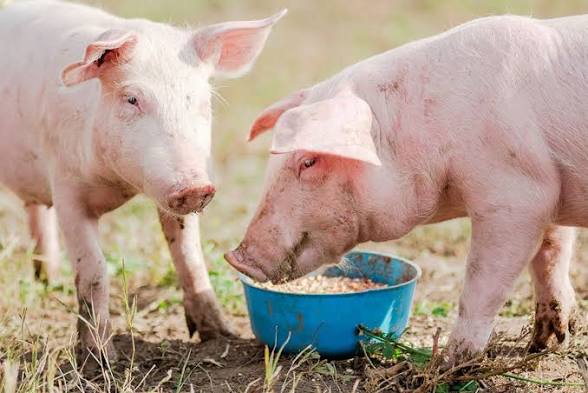
Proper Feeding for Reproductive Performance in Pigs
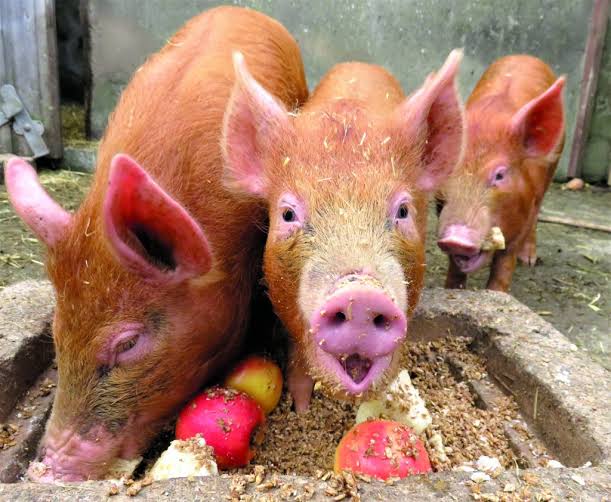
Reproductive success in pig farming depends heavily on proper nutrition. Whether you are raising pigs for breeding or commercial production, the quality and quantity of feed given to boars, gilts, and sows directly affect fertility, conception rates, litter size, piglet survival, and overall farm profitability. Young pig farmers and aspiring pig rearers must understand that feeding is not just about growth—it is also the foundation of successful reproduction.
Why Proper Feeding Matters for Reproduction
Pigs require balanced diets containing energy, protein, vitamins, minerals, and clean water. When pigs are poorly fed, they may experience:
- Delayed puberty in gilts.
- Reduced fertility in boars.
- Poor conception rates.
- Smaller litter sizes.
- Weak piglets at birth.
- Reduced milk production in sows.
- Increased reproductive failures.
Good nutrition helps pigs maintain ideal body condition and supports healthy reproductive organs.
Feeding Gilts Before Breeding
Gilts are young female pigs that have not yet given birth.
Recommended practices:
- Feed a balanced grower ration rich in protein and energy.
- Ensure adequate minerals such as calcium and phosphorus.
- Avoid overfeeding, which can cause excessive fatness and reproductive problems.
- Maintain a healthy body weight before mating.
Well-fed gilts generally reach breeding age with stronger reproductive performance and better litter outcomes.
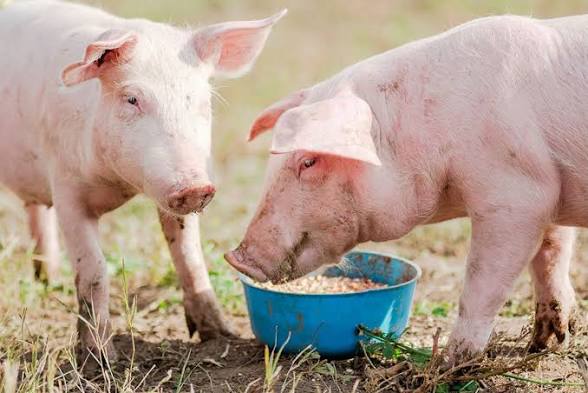
Feeding Pregnant Sows
Pregnant sows need proper nutrition to support fetal development.
Important nutrients include:
- Energy for maintaining body condition.
- Protein for fetal growth.
- Vitamins and minerals for healthy pregnancies.
Avoid:
- Underfeeding, which can result in weak piglets.
- Overfeeding, which can cause farrowing difficulties.
A moderately conditioned sow usually performs better than one that is too thin or too fat.
Feeding Lactating Sows
Lactation is one of the most demanding stages in a sow’s life.
During this period:
- Feed intake should increase significantly.
- High-quality protein is essential.
- Plenty of clean drinking water must be available at all times.
Benefits of proper feeding during lactation include:
- Higher milk production.
- Faster piglet growth.
- Better piglet survival.
- Quicker return to heat after weaning.
Feeding Breeding Boars
Boars also require balanced nutrition for maximum fertility.
A breeding boar should receive:
- Adequate energy.
- Quality protein.
- Vitamins A, D, and E.
- Essential minerals such as zinc and selenium.
Poor nutrition can reduce:
- Sperm quality.
- Libido.
- Breeding efficiency.
Boars should be kept fit but not overweight.
Essential Nutrients for Reproductive Performance
Protein
Supports growth, reproduction, milk production, and fetal development.
Energy
Provides fuel for reproductive processes and overall health.
Vitamins
Especially Vitamins A, D, and E, which support fertility and healthy pregnancies.
Minerals
Calcium, phosphorus, zinc, selenium, and iron are important for reproductive health.
Water
Clean water is often overlooked but is one of the most important nutrients for breeding pigs.
Common Feeding Mistakes to Avoid
- Feeding poor-quality feed.
- Using moldy or spoiled feed.
- Allowing pigs to become too fat.
- Underfeeding pregnant or lactating sows.
- Providing insufficient clean water.
- Ignoring vitamin and mineral supplementation.
Practical Tips for Young Pig Farmers
- Use quality commercial feed or well-formulated farm rations.
- Adjust feeding according to the pig’s age and reproductive stage.
- Monitor body condition regularly.
- Provide unlimited access to clean water.
- Store feed properly to prevent spoilage.
- Consult livestock nutrition experts when formulating diets.
Conclusion
Proper feeding is one of the most effective ways to improve reproductive performance in pigs. Healthy nutrition leads to better fertility, larger litters, stronger piglets, higher milk production, and increased farm profits. Young pig farmers who invest in good feeding programs are more likely to build successful and sustainable pig farming businesses.
Leave a Reply