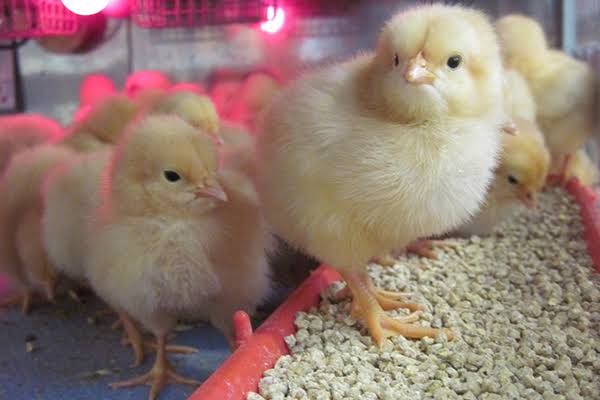
Essential Poultry Management Practices for Rearing Day-Old Chicks Successfully
Starting a poultry farm can be profitable, but many farmers lose birds within the first few weeks because proper management is not put in place.
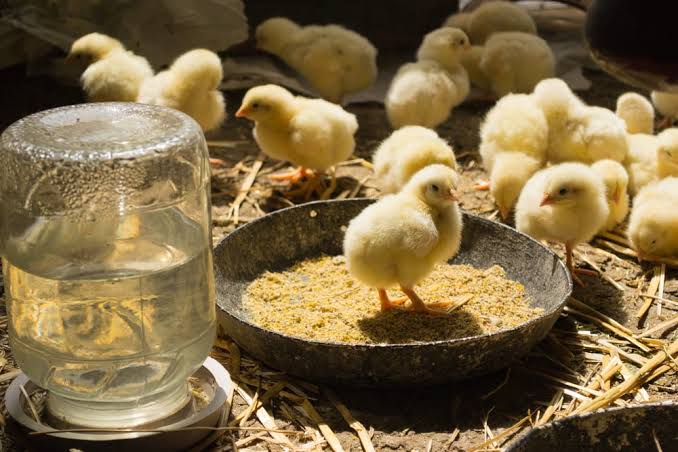
The first few days and weeks of a chick’s life are the most critical. Proper care during this period determines whether the birds will grow healthy, gain weight properly, and produce good results later.
1. Prepare the Poultry House Before Chicks Arrive
Before bringing day-old chicks to the farm, the poultry house must be fully prepared.
Important preparations include:
- Wash and disinfect the poultry house.
- Remove old litter and dirt.
- Repair damaged equipment.
- Ensure proper ventilation.
- Block openings that may allow rats, snakes, or predators inside.
- Spread fresh litter materials such as:
- Wood shavings
- Rice husks
- Sawdust
A clean environment helps prevent diseases and infections.
2. Provide Proper Brooding Temperature
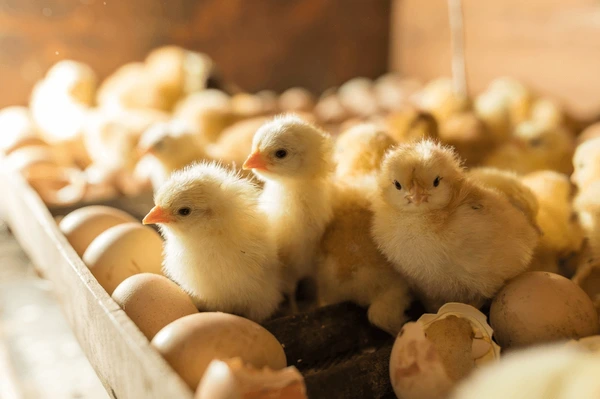
Day-old chicks cannot regulate their body temperature properly. They need artificial heat for survival.
Recommended brooding temperatures:
- Week 1: 32–35°C
- Week 2: 29–32°C
- Week 3: 26–29°C
- Week 4: Reduce gradually
Heat sources can include:
- Charcoal pots (used carefully)
- Gas brooders
- Electric bulbs
- Infrared heaters
Signs to watch:
Too cold
- Chicks gather tightly together
- Loud continuous chirping
Too hot
- Chicks move far from the heat source
- Panting and spreading wings
Correct temperature
- Chicks spread evenly and move comfortably
3. Provide Clean Drinking Water
Water is essential for chick survival and growth.

Good practices:
- Give clean and fresh water daily.
- Wash drinkers regularly.
- Add vitamins and glucose during the first few days if advised.
- Keep drinkers at an appropriate height.
Dirty water can spread diseases quickly.
4. Give Quality Starter Feed
Feed determines the growth and performance of chicks.
Tips:
- Use quality chick starter feed.
- Ensure feed contains:
- Protein
- Energy
- Vitamins
- Minerals
Avoid:
- Moldy feed
- Wet feed
- Expired feed
Poor feed can lead to slow growth and weak birds.
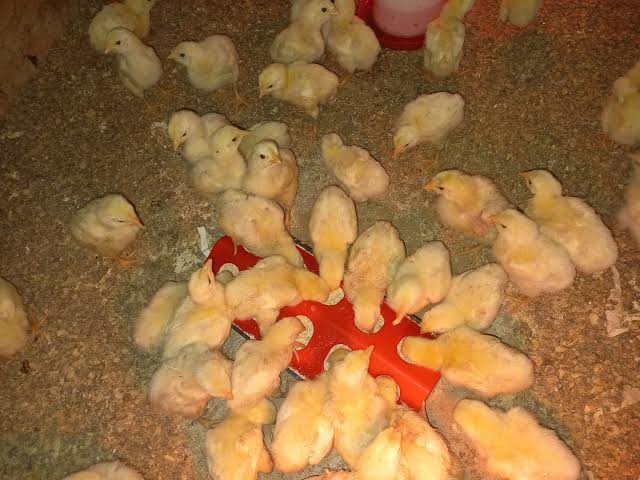
5. Maintain Proper Stocking Density
Overcrowding creates stress and increases disease spread.
Avoid placing too many chicks in a small area.
Benefits of proper spacing:
- Better movement
- Easy access to feed and water
- Reduced mortality
- Faster growth
6. Follow Vaccination Programs
Vaccination protects birds from common poultry diseases.
Common vaccines may include:
- Newcastle Disease
- Infectious Bursal Disease
- Fowl Pox
Consult a poultry expert or veterinarian for the correct vaccination schedule.
7. Practice Good Biosecurity
Biosecurity simply means preventing diseases from entering the farm.
Steps include:
- Restrict visitors.
- Use footbaths with disinfectants.
- Wash hands before handling birds.
- Isolate sick birds immediately.
- Prevent wild birds from entering.
Strong biosecurity can save farmers from major losses.
8. Observe Your Birds Daily
Successful poultry farmers inspect birds every day.
Check for:
- Weak birds
- Lack of appetite
- Difficulty breathing
- Diarrhea
- Unusual behavior
Early detection helps solve problems before they become serious.
9. Keep Proper Records
Record keeping helps farmers monitor farm performance.
Keep records for:
- Feed consumption
- Mortality rate
- Vaccinations
- Medication
- Bird weight
- Expenses and income
Good records improve decision-making and profitability.
Final Thoughts
Poultry farming is more than buying day-old chicks and feeding them. Success begins with proper housing, feeding, disease prevention, temperature management, and daily observation. Farmers who put these systems in place increase survival rates, reduce losses, and raise healthy birds.
For anyone planning to enter poultry farming, understanding these management practices early can make the difference between a successful poultry business and repeated losses.
Leave a Reply