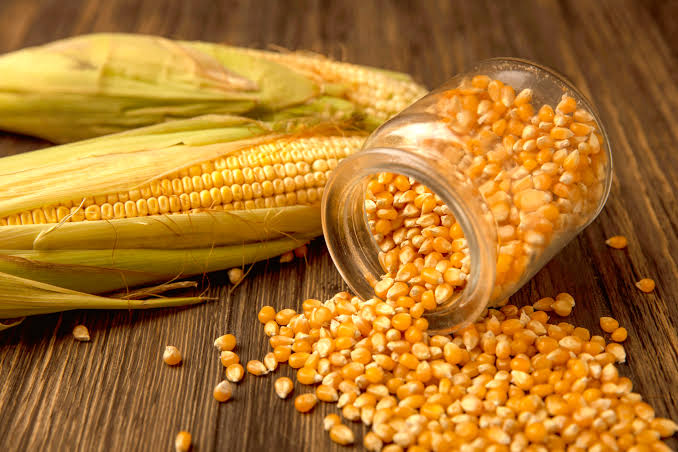

How to Preserve Your Corn Seeds for Next Season
A Simple Guide for a Young Farmer in Nigeria
Saving your own corn seeds is one of the smartest things a farmer can do. It reduces cost, preserves good local varieties, and helps you plant early in the next season. But to get good results, you must preserve the seeds properly so they remain healthy and able to germinate.
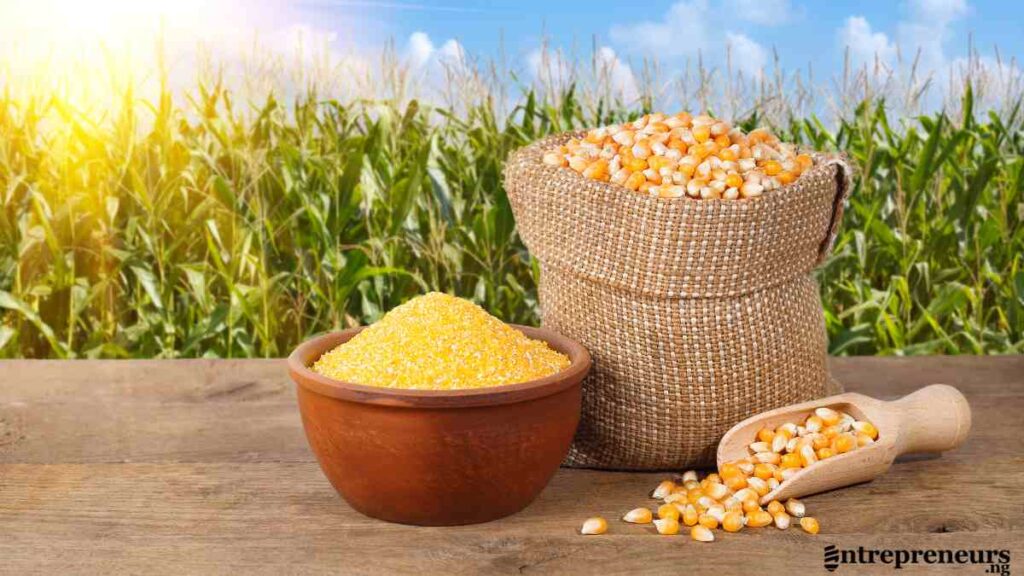
Below is a step-by-step guide suitable for Nigerian farming conditions:
1. Select the Right Plants for Seed
Not every corn plant should be used for seed. Choose the best.
Pick corn from plants that:
- Produced big, healthy cobs
- Were not attacked by pests
- Grew strong and tall
- Matured on time
Always choose the best plants, because your seeds determine your next harvest.
2. Harvest the Seeds at Full Maturity
For seed saving, corn must be fully mature and dried on the plant.
Signs of maturity:
- The husk turns brown and dry
- Kernels are hard and shiny
- Cob feels firm
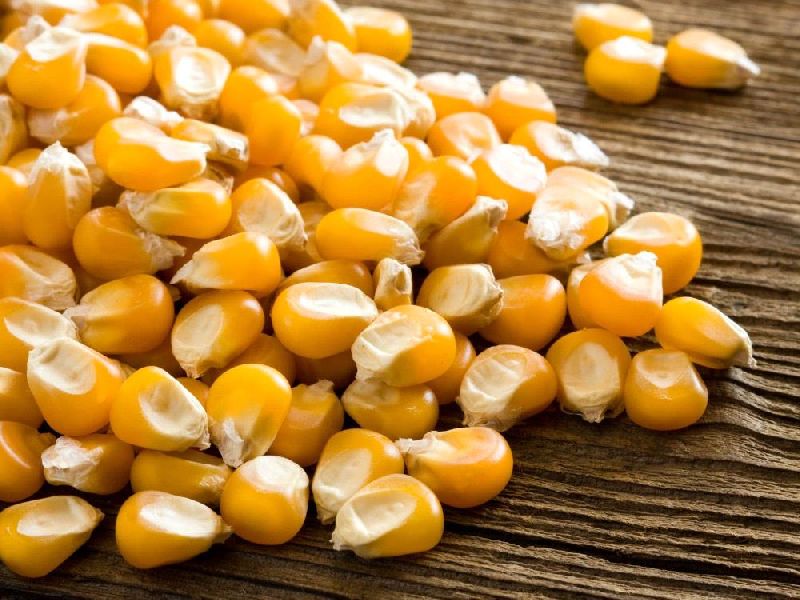
If harvested too early, the seed will rot or fail to germinate.
3. Dry the Corn Properly
Drying is the most important step in seed preservation.
How to dry:
- Remove the husk and spread the cobs in the sun
- Use a clean mat, tray, or raised platform
- Turn the cobs regularly
- Dry for 7–14 days, depending on the weather
- Make sure the kernels are completely dry (no moisture inside)
Well -dried seeds do not get mouldy and store for long.
4. Shell and Sort Your Seeds
After the cobs are fully dry:
- Remove (shell) the kernels
- Select only strong, healthy seeds
- Remove broken, diseased, or shriveled seeds
- Clean off all dust and particles
Healthy seeds = good germination.
5. Treat Your Seeds (Optional but Very Important)
Treating (dusting) the seeds helps protect them from insects like weevils.
You can use:
- Seed preservative powder from agro-shops
- Wood ash (local method)
- Dry neem leaf powder (organic method)
Mix lightly so the seeds are covered.
6. Store the Seeds Properly
Good storage protects seeds from moisture, heat, and insects.
Best storage methods:
Airtight containers
- Plastic bottles
- Jars
- Airtight buckets
Put a small amount of dry ash, dried pepper, or dried neem leaves inside for insect control.
Sack + plastic lining
For larger quantities, store in a sack lined with nylon to reduce moisture.
Use moisture absorbers
You can add:
- Dry ash
- Dry charcoal
- “Silica gel” if available
These help keep the seeds dry.
7. Keep the Seeds in a Cool, Dry Place
Store the seeds in:
- A cool room
- A shelf away from direct sunlight
- A place with no rats or insects
Heat destroys seed quality, so avoid hot kitchens, zinc-roof rooms, or direct sun.
8. Test Your Seeds Before Planting
Before the planting season begins, test your seeds.
How to test:
- Put 10 seeds in moist cloth or paper
- Leave for 5–7 days
- Count how many germinate
If 8 or more germinate → your seeds are good
If less than 6 germinate → look for fresh seeds to buy
Conclusion
Saving corn seeds is easy if you follow the right steps:
- Choose the best plants
- Allow full maturity
- Dry very well
- Sort properly
- Treat for insects
- Store in airtight containers
- Keep in a cool, dry place
- Test before planting
With good seed preservation, you save money, plant early, and get a better harvest next season.

