

Yam farming in Nigeria is more than just a traditional agricultural practice — it is a profitable business opportunity that can lead to financial freedom when done the right way. Nigeria is the world’s largest producer of yam, accounting for over 70% of global production. With the right knowledge, timing, and management, young farmers can turn yam cultivation into a sustainable source of income.
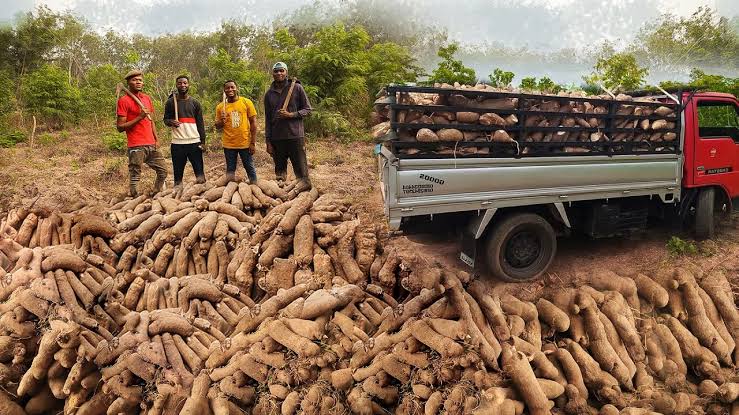
Why Yam Farming Is a Path to Financial Freedom
- High Market Demand:
Yam is one of the most consumed staple foods in Nigeria. It is used in many local dishes like pounded yam, yam porridge, and fried yam, which ensures continuous market demand all year round. - Export Potential:
Beyond local consumption, Nigerian yams are in high demand in international markets — especially in the UK, USA, and Canada. Exporting quality yams can multiply a farmer’s earnings significantly. - Multiple Income Streams:
Yam farming doesn’t end with selling tubers. Farmers can make extra income by selling yam seedlings (setts), renting out land for cultivation, or even producing yam flour. - Sustainable and Scalable:
With proper farm management, yam farming can expand from small-scale to commercial level, giving consistent returns every harvest season.
Steps to Start Yam Farming Successfully
- Select the Right Land:
Yams grow best in fertile, well-drained loamy soil. Avoid waterlogged areas as they can cause yam rot. - Land Preparation:
Clear the land, till the soil, and create ridges or mounds to promote root development and drainage. - Choose Quality Seed Yams:
Select healthy yam setts (seed pieces) from disease-free tubers. Varieties like White Yam (Dioscorea rotundata)and Yellow Yam (Dioscorea cayenensis) are commonly preferred in Nigeria. - Plant at the Right Time:
The best time to plant yam in Nigeria is between February and April, before the rainy season becomes heavy. Early planting ensures better tuber growth. - Staking and Weeding:
Use strong stakes to support yam vines and prevent them from crawling on the ground. Regular weeding keeps the farm clean and supports healthy growth. - Harvesting and Storage:
Yams are ready for harvest after 6 to 8 months when the leaves begin to yellow. Handle tubers carefully to avoid bruising, and store them in a cool, dry, and airy place.
Profitability of Yam Farming in Nigeria
With an initial investment in land, seedlings, and labor, a young farmer can make significant returns after one harvest season. For example, one hectare of yam farm can produce between 10,000 to 15,000 tubers, depending on soil fertility and management. Selling at ₦500 to ₦1,000 per tuber can yield a profit margin of over ₦3 million to ₦5 million per hectare.
Conclusion
Yam farming in Nigeria is a proven path to financial freedom for young farmers who are ready to work smart and apply modern farming techniques. With proper timing, soil preparation, and marketing strategies, you can transform your yam farm into a profitable agribusiness.