
Share the post "”Pest and Disease Control in Cassava Farming in Nigeria (Full Guide for Young Farmers)”"
Cassava farming in Nigeria is one of the most profitable agribusinesses today, but like every crop, cassava faces serious challenges from pests and diseases. These problems can reduce yield and affect the quality of your cassava tubers if not properly managed. As a young farmer in Nigeria, learning pest and disease control in cassava farming is key to increasing your productivity and profit.
This article will educate you on the major pests and diseases affecting cassava in Nigeria, their symptoms, and effective control methods.
Common Pests Affecting Cassava in Nigeria
Cassava pests are small insects that attack leaves, stems, or roots, causing stunted growth and low yield. Below are the most common ones:
1. Cassava Green Mite (Mononychellus tanajoa)
- Symptoms: Leaves turn yellow, curl, and drop off early. Plants look weak and produce fewer tubers.
- Control Measures:
- Use resistant cassava varieties such as TMS 30572, TMS 419, or NR 8082.
- Practice crop rotation to break pest cycles.
- Apply neem-based organic insecticides or biological control agents.
2. Cassava Mealybug (Phenacoccus manihoti)
- Symptoms: White cotton-like insects on young shoots, leaf distortion, and stunted plant growth.
- Control Measures:
- Introduce natural enemies like ladybird beetles.
- Avoid overuse of nitrogen fertilizer.
- Use approved insecticides if infestation is severe.
3. Whiteflies
- Symptoms: They suck sap from leaves, causing yellowing and weakening the plant. They also spread cassava mosaic virus.
- Control Measures:
- Keep the farm weed-free.
- Use yellow sticky traps to catch adult flies.
- Apply mild organic insecticides like neem oil.
4. Termites and Rodents
- Symptoms: Attack roots and stems, especially during the dry season.
- Control Measures:
- Destroy termite mounds around the farm.
- Maintain proper field sanitation.
- Use organic repellents or barriers to reduce rodent attacks.
Mayor Cassava Diseases in Nigeria and How to Control Them
1. Cassava Mosaic Disease (CMD)
- Cause: Virus spread mainly by whiteflies and infected planting materials.
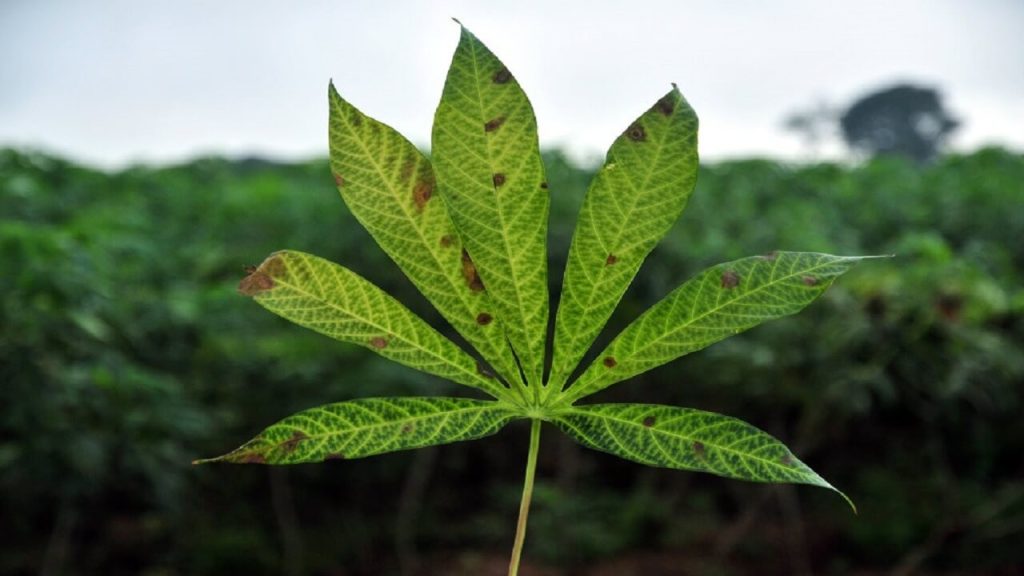
- Symptoms: Yellow and green mosaic patterns on leaves, stunted growth, and low yield.
- Control Measures:
- Use CMD-resistant cassava varieties like TMS 419, TMS 98/0581, and TME 1.
- Always plant disease-free stems.
- Remove and destroy infected plants early.
2. Cassava Bacterial Blight (CBB)
- Cause: Bacteria that infect cassava leaves and stems.
- Symptoms: Leaf wilting, angular leaf spots, and gum exudates on stems.
- Control Measures:
- Use certified disease-free stems.
- Practice crop rotation and avoid waterlogged soils.
- Remove infected plants immediately.
3. Cassava Anthracnose Disease (CAD)
- Cause: Fungus that attacks cassava stems and leaves.
- Symptoms: Dark brown spots on stems, leaf blight, and dieback.
- Control Measures:
- Use resistant varieties.
- Burn infected plant residues after harvest.
- Apply fungicide sprays when necessary.
4. Root Rot Disease
- Cause: Fungi such as Phytophthora and Fusarium.
- Symptoms: Rotting of tubers, soft or discolored roots, and bad odor.
- Control Measures:
- Avoid waterlogged areas.
- Practice good drainage and crop rotation.
- Use healthy, disease-free stems.
Integrated Pest and Disease Management (IPDM) for Cassava Farmers
To effectively protect your cassava farm, combine different control methods rather than relying on chemicals alone. Follow these steps:
- Select disease-resistant cassava varieties from trusted sources like IITA or government agricultural centers.
- Maintain field hygiene — remove weeds, crop residues, and infected plants.
- Practice crop rotation with legumes or maize to reduce pest build-up.
- Monitor your farm regularly for early pest and disease detection.
- Apply organic and biological controls to minimize chemical use and protect the soil.
Expert Tips for Nigerian Cassava Farmers
- Plant at the right time — usually early in the rainy season (April–June).
- Keep the farm clean and well-drained.
- Use quality planting materials from reliable agricultural institutes.
- Don’t overuse chemical fertilizers or pesticides — they can harm the soil and environment.
Conclusion
Pest and disease control in cassava farming is one of the most important skills every young Nigerian farmer must learn. By combining good agricultural practices, resistant cassava varieties, and regular farm monitoring, you can achieve high yields and sustainable profits. Healthy cassava plants mean better food security and income for Nigerian farmers.