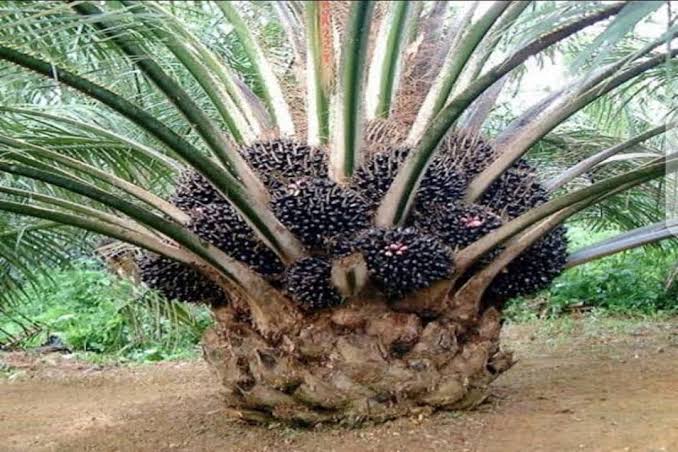
Types of Palm Trees Farmers Should Know
For young farmers and anyone planning to go into palm plantation farming, one of the first things to understand is that not all palm trees are the same. Different palm tree types have different growth rates, yields, climates, and economic values. Choosing the right type can affect your profit and long-term success.
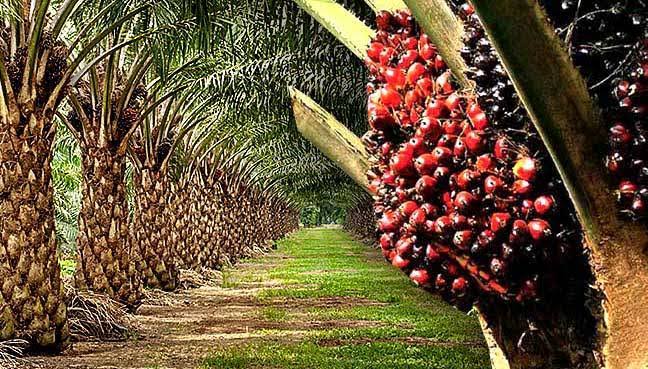
1. Oil Palm (Elaeis guineensis)
Oil palm is the most common palm tree grown in Africa and is the main source of palm oil and palm kernel oil.
Features:
- Produces bunches of fruits rich in oil
- Starts fruiting within 3–4 years under good management
- Can remain productive for 25–30 years
- Thrives in tropical climates with good rainfall
Uses:
- Palm oil production
- Palm kernel oil
- Soap making
- Food processing
- Cosmetics and industrial products
Advice for young farmers:
This is the best option for commercial palm plantation farming because it has high demand and can generate steady income.
2. Dura Palm
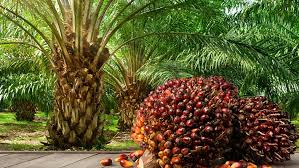
Dura is one of the traditional oil palm varieties.
Features:
- Thick shell around the kernel
- Large fruits
- Lower oil content than improved varieties
Advantages:
- Strong and hardy
Disadvantages:
- Produces less oil
- Lower profit potential
Advice:
Most commercial farmers now prefer improved varieties because they produce more oil.
3. Pisifera Palm
Pisifera is another palm variety.
Features:
- Very thin or no shell
- Usually produces poor fruit bunches on its own
Advantages:
- Important in breeding improved varieties
Disadvantages:
- Not commonly planted alone
Advice:
Farmers normally do not cultivate Pisifera directly for plantation purposes.
4. Tenera Palm
Tenera is a hybrid created from Dura and Pisifera varieties.
Features:
- Thin shell
- Higher oil content
- Larger fruit bunches
- High productivity
Advantages:
- Higher yield
- More profit
- Better for commercial farming
Advice for young farmers:
Tenera seedlings are widely recommended for modern palm plantations because they can produce much higher returns.
5. Raffia Palm
Raffia palm grows naturally in swampy and wet areas.
Features:
- Long leaves
- Prefers waterlogged environments
Uses:
- Wine tapping
- Roof thatching
- Handicrafts
- Local products
Advice:
Suitable if your land has swampy conditions and you want multiple income sources.
6. Date Palm
Date palms are mostly grown in dry regions.
Features:
- Produces dates
- Requires warm temperatures
- Can tolerate dry conditions
Uses:
- Fruit production
- Food processing
Advice:
Less common in tropical palm oil plantations but valuable in suitable climates.
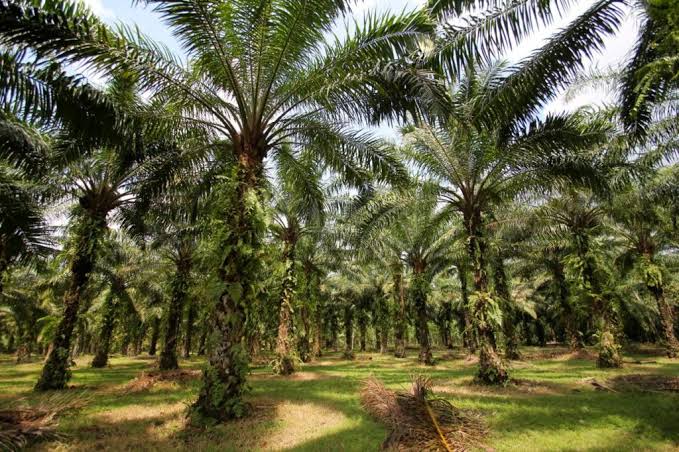
Things Every Young Palm Farmer Should Remember
- Buy certified seedlings from trusted nurseries
- Choose varieties with high yield potential
- Study your soil and climate before planting
- Avoid random seedlings from unknown sources
- Understand the market before investing
- Maintain good spacing and plantation management
- Apply proper fertilizer and weed control
Final Note
Many new farmers fail because they plant any palm seed they find without knowing the variety. For commercial plantation farming, improved Tenera oil palm seedlings are often the preferred choice because they combine fast production with high oil yield. Understanding palm types before planting helps you avoid costly mistakes and build a more productive plantation.
Leave a Reply