
30 Things to Prepare Before Bringing Day-Old Chicks Home: A Complete Guide for Young Poultry Farmers
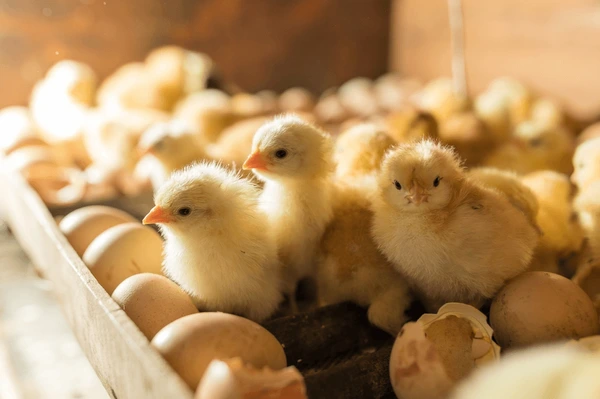
Starting a poultry business can be exciting and profitable, but one of the biggest mistakes beginners make is buying day-old chicks before preparing their farm properly. Day-old chicks are delicate and require a suitable environment immediately after arrival. Poor preparation can lead to stress, diseases, slow growth, and high mortality rates.
For young poultry farmers and anyone planning to enter poultry farming, preparing your farm before chicks arrive can determine the success of your business.
Why Preparation Is Important
The first few weeks of a chick’s life are very important. During this period, chicks need warmth, clean water, quality feed, and protection from diseases.
Good preparation helps:
- Reduce chick mortality
- Improve growth rate
- Prevent diseases
- Reduce stress
- Increase farm profitability
Below are 30 important things every poultry farmer should prepare.
Housing and Brooding Preparation
1. Clean Poultry House
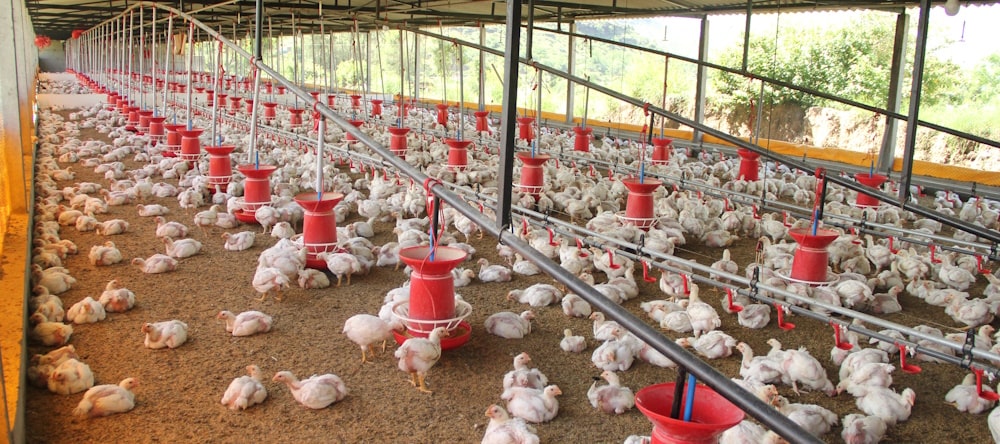
Wash and disinfect the poultry house thoroughly.
2. Fresh Litter Material
Spread clean litter such as:
- Wood shavings
- Rice husks
- Sawdust
3. Proper Ventilation
Allow fresh air to enter while preventing strong cold winds.
4. Brooder Guard
Create a circular brooding area to keep chicks together.
5. Heat Source
Prepare a heat source such as:
- Electric bulbs
- Gas brooders
- Charcoal pots (used safely)
6. Thermometer
Use a thermometer to monitor brooding temperature.
7. Backup Heat Source
Always have another heating option in case of power failure.
8. Curtains
Use curtains to regulate air movement and protect chicks from cold weather.
9. Lighting System
Provide enough light for chicks to find feed and water.
10. Reliable Power Supply
Ensure stable electricity if using electrical equipment.
Feeding and Water Equipment
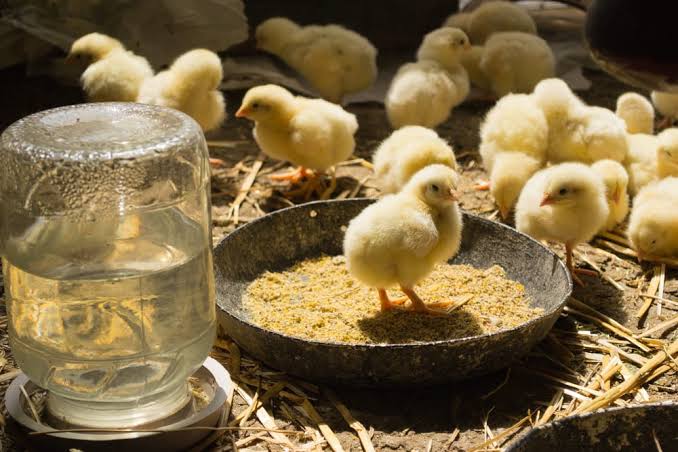
11. Chick Feeders
Prepare enough feeders for all chicks.
12. Chick Drinkers
Provide clean drinkers.
13. Water Storage Container
Store enough clean water.
14. Quality Starter Feed
Buy high-quality chick starter feed.
15. Extra Feed Supply
Keep additional feed available.
16. Feed Trays
Use feed trays during the first days.
17. Water Disinfectant
Maintain water cleanliness.
Health and Biosecurity Preparation
18. Disinfectants
Use disinfectants for cleaning and disease prevention.
19. Footbath
Place disinfectant footbaths at the poultry entrance.
20. Hand Washing Materials
Provide soap and water.
21. Vaccination Schedule
Prepare a vaccination plan.
22. Vitamins and Supplements
Keep vitamins for early chick support.
23. Basic Medications
Keep recommended medications after veterinary advice.
24. Isolation Space
Prepare an area for weak or sick chicks.
25. Pest Control Measures
Control rats, flies, snakes, and insects.
Farm Management Essentials
26. Record Book
Keep records of:
- Feed consumption
- Vaccination
- Mortality
- Expenses
27. Farm Equipment Storage Area
Store equipment properly.
28. Emergency Contact List
Keep contacts for veterinarians and suppliers.
29. Transportation Plan
Arrange safe transportation for chicks.
30. Farm Security Measures
Protect the farm against theft and predators.
Common Mistakes New Poultry Farmers Should Avoid
Many beginners make avoidable mistakes such as:
- Buying chicks before preparing the poultry house
- Using poor-quality feed
- Overcrowding birds
- Ignoring hygiene practices
- Providing insufficient heat
- Failing to monitor chicks regularly
Avoiding these mistakes increases survival and productivity.
Final Thoughts
Successful poultry farming begins before day-old chicks arrive. Proper planning and preparation create a healthy environment where chicks can grow into productive birds. Young farmers entering poultry farming should understand that success comes from management, patience, and consistency.
Preparing these 30 essentials before bringing day-old chicks home will give your poultry business a stronger foundation and increase the chances of long-term success.
Leave a Reply