
Maize farming in Nigeria is one of the most widely practiced and economically important agricultural activities in the country. Maize, also known as corn, is a staple crop that plays a major role in food security, livestock production, and industrial processing. It is consumed in many forms such as boiled corn, roasted corn, pap, corn flour, and animal feed ingredients.
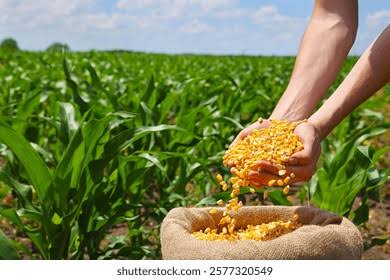
In Nigeria, maize farming is highly profitable because demand is constant throughout the year. It is used not only for human consumption but also as a major raw material in poultry feed, livestock feed, breweries, starch production, and food processing industries. This wide range of uses makes maize one of the most valuable crops in the Nigerian agricultural sector.
Many farmers consider maize farming one of the easiest entry points into agribusiness because it has a relatively short growing cycle, requires moderate capital, and can be cultivated in many parts of the country. However, achieving high yields requires proper planning, good agronomic practices, and effective farm management.
Importance of Maize Farming in Nigeria
Maize farming plays a critical role in Nigeria’s agricultural economy. It is one of the most consumed cereal crops in the country and serves as a major source of carbohydrates for millions of Nigerians.
One of the most important roles of maize is its contribution to livestock and poultry production. Poultry farmers depend heavily on maize as a major ingredient in feed formulation. This makes maize demand very stable and profitable for farmers.
Maize is also used in industries for producing starch, oil, ethanol, and processed foods. As Nigeria’s population continues to grow, the demand for maize continues to increase, creating more opportunities for farmers and agribusiness investors.
Best Conditions for Maize Farming in Nigeria
Maize grows well under specific environmental conditions. The best conditions include:
- Well-drained fertile soil (loamy soil is ideal)
- Adequate rainfall or irrigation system
- Warm tropical climate
- Good sunlight exposure
- Moderate temperature conditions
Maize can be grown in almost all parts of Nigeria, but yields are higher in areas with fertile soil and consistent rainfall.
Land Preparation for Maize Farming
Proper land preparation is essential for successful maize farming. Farmers usually begin by clearing vegetation, removing debris, and preparing the soil for planting.
Land preparation activities include:
- Ploughing the land
- Harrowing to break soil clumps
- Ridges or flat planting depending on soil type
- Soil testing for nutrient content
Mechanized farming is increasingly used in large-scale maize production because it improves efficiency and reduces labor costs.
Improved Maize Varieties in Nigeria
Using improved maize varieties is one of the most important factors in achieving high yield. Improved varieties are resistant to pests and diseases and mature faster than traditional varieties.
Some commonly used maize varieties in Nigeria include:
- SAMMAZ series (SAMMAZ 14, 17, 22, 27, etc.)
- TZL Compounds
- Oba Super varieties
- Hybrid maize seeds
These varieties are developed for high yield, drought resistance, and pest resistance.
Planting Maize in Nigeria
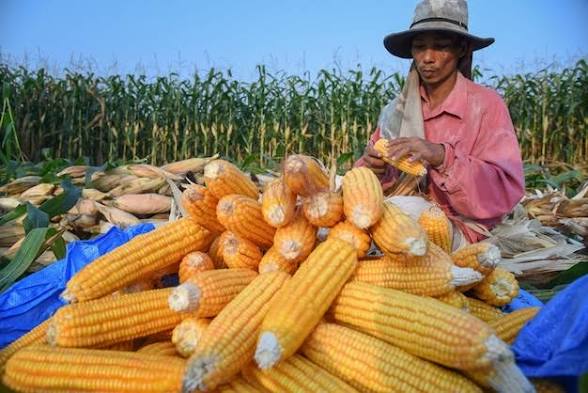
Maize planting is usually done at the beginning of the rainy season or under irrigation systems.
Farmers plant maize either manually or using mechanical planters. Proper spacing is very important for optimal growth. Overcrowding can reduce yield and increase competition for nutrients.
Maize can be planted in rows to make weeding, fertilizer application, and harvesting easier.
Fertilizer Application in Maize Farming
Maize is a nutrient-demanding crop and requires proper fertilizer application to achieve high yields.
Common fertilizers used include:
- NPK fertilizer (for early growth)
- Urea fertilizer (for vegetative growth)
- Organic manure (for soil fertility improvement)
Proper timing and dosage of fertilizer application are very important. Farmers often apply fertilizer in stages to support different growth phases of the maize plant.
Weed Control in Maize Farming
Weeds are a major challenge in maize farming because they compete for nutrients, water, and sunlight.
Weed control methods include:
- Manual weeding
- Herbicide application
- Mulching
- Proper spacing and planting techniques
The first six weeks after planting are the most critical period for weed control in maize farming.
Pest and Disease Control in Maize Farming
Maize is affected by several pests and diseases that can reduce yield if not properly managed.
Common pests include:
- Fall armyworm
- Stem borers
- Aphids
Common diseases include:
- Maize streak virus
- Leaf blight
- Rust disease
Farmers control these problems using improved seed varieties, crop rotation, pesticides, and proper farm hygiene.
Harvesting Maize
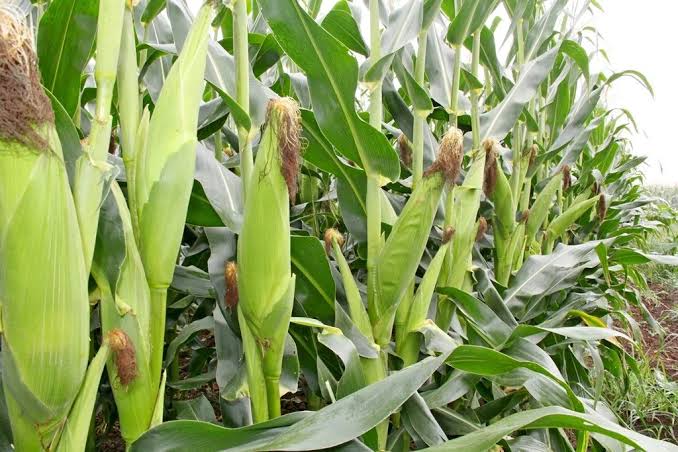
Maize is usually ready for harvest between 3 to 4 months after planting depending on the variety.
Signs of maturity include:
- Dry husks
- Hard kernels
- Yellow or brown coloration
Harvesting can be done manually or mechanically in large-scale farms. After harvesting, maize is dried properly to reduce moisture content and prevent spoilage.
Storage and Processing of Maize
Proper storage is very important in maize farming because poor storage can lead to insect infestation and mold growth.
Maize can be stored using:
- Silos
- Cribs
- Airtight bags
- Traditional storage systems
Maize is also processed into:
- Corn flour
- Animal feed
- Corn oil
- Starch
- Ethanol
Processing increases profitability and market value.
Profitability of Maize Farming in Nigeria
Maize farming is highly profitable due to its strong demand in both food and industrial markets. Poultry feed production alone creates a massive and consistent market for maize farmers.
Profit depends on:
- Farm size
- Yield per hectare
- Input costs
- Market prices
- Post-harvest handling
Large-scale maize farming combined with good storage and processing systems generates higher profits.
Challenges of Maize Farming in Nigeria
Despite its profitability, maize farming faces several challenges such as:
- High cost of fertilizers and inputs
- Pest infestations (especially fall armyworm)
- Poor storage facilities
- Climate change effects
- Limited access to credit
- Post-harvest losses
Proper planning and modern farming techniques can help reduce these challenges.
Modern Technology in Maize Farming
Modern maize farming is improving through:
- Improved hybrid seeds
- Mechanized farming equipment
- Drone monitoring in large farms
- Smart irrigation systems
- Digital agriculture platforms
These technologies help farmers increase productivity and reduce losse
Conclusion
Maize farming in Nigeria remains one of the most important and profitable agricultural ventures due to its wide usage in food production and livestock feed industries. With proper land preparation, improved seed varieties, effective pest control, and modern farming practices, maize farmers can achieve high yields and strong financial returns.
As demand continues to grow across Nigeria’s food and agricultural sectors, maize farming will remain a key pillar of food security, employment creation, and agribusiness development.
Leave a Reply