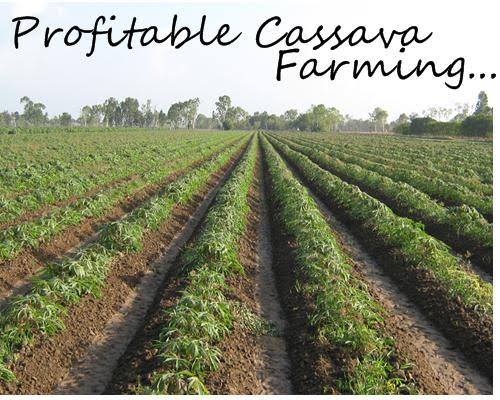
Cassava farming in Nigeria is one of the most important agricultural activities in the country and remains one of the most profitable farming businesses for both small-scale and commercial farmers. Nigeria is currently one of the largest producers of cassava in the world, and cassava plays a major role in food security, employment creation, industrial production, and economic development.
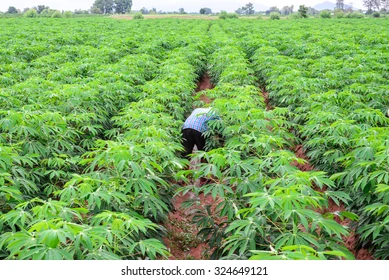
Cassava is widely cultivated across different regions of Nigeria because it grows well in various soil types and climatic conditions. Millions of Nigerians depend on cassava as a daily source of food, while many industries rely on cassava for raw materials used in manufacturing and food processing.
The demand for cassava products continues to increase both locally and internationally. Cassava is processed into several products including garri, fufu, cassava flour, starch, ethanol, cassava chips, animal feed, and industrial adhesives. This wide range of uses makes cassava farming one of the most valuable agribusiness opportunities in Nigeria today.
Why Cassava Farming is Important in Nigeria
Cassava farming contributes significantly to Nigeria’s agricultural economy. It provides food for millions of people and creates employment opportunities for farmers, processors, transporters, traders, and exporters.
One major advantage of cassava farming is that cassava can survive under harsh weather conditions and poor soils where many other crops may fail. This makes it suitable for cultivation in different parts of the country.
Cassava is also highly profitable because nearly every part of the crop has economic value. The roots are processed into food and industrial products, while cassava peels and leaves can be used as animal feed.
The increasing demand for cassava flour, starch, and ethanol in local industries has further increased the profitability of cassava farming in Nigeria. Many food processing companies now substitute imported wheat flour with cassava flour in bread and other baked products.
Best Conditions for Cassava Farming in Nigeria
Cassava grows best in tropical climates with moderate rainfall and warm temperatures. Nigeria’s climate provides excellent conditions for cassava cultivation throughout most parts of the country.
Cassava farming performs well in:
- Well-drained loamy soil
- Sandy loam soil
- Areas with moderate rainfall
- Warm temperatures
- Open sunlight
Although cassava can survive in poor soils, farmers achieve higher yields when they plant on fertile land with proper soil management practices.
Land Preparation for Cassava Farming
Proper land preparation is essential for successful cassava production. Farmers usually clear bushes, remove tree stumps, and plough the land before planting.
In many commercial cassava farms, ridges or mounds are prepared to improve root development and water drainage. Proper land preparation also helps reduce weed competition and improves crop growth.
Mechanized land preparation using tractors is becoming increasingly popular among commercial cassava farmers because it saves time and increases efficiency.
Selection of Improved Cassava Varieties
Choosing the right cassava variety is one of the most important factors in cassava farming. Improved cassava varieties produce higher yields, mature faster, and resist diseases better than traditional varieties.
Some improved cassava varieties commonly used in Nigeria include:
- TMS 30572
- TME 419
- TMS 98/0581
- NR 8082
These improved varieties are preferred because they produce high-quality roots suitable for both food processing and industrial use.
Planting Cassava in Nigeria
Cassava is propagated using stem cuttings rather than seeds. Healthy stems from mature cassava plants are cut into pieces and planted directly into the soil.
Farmers usually plant cassava during the rainy season to ensure adequate moisture for early growth. Proper spacing is very important because overcrowding reduces root development and lowers yield.
The recommended spacing for cassava farming allows sufficient sunlight, air circulation, and nutrient availability for proper growth.
Weed Control in Cassava Farming
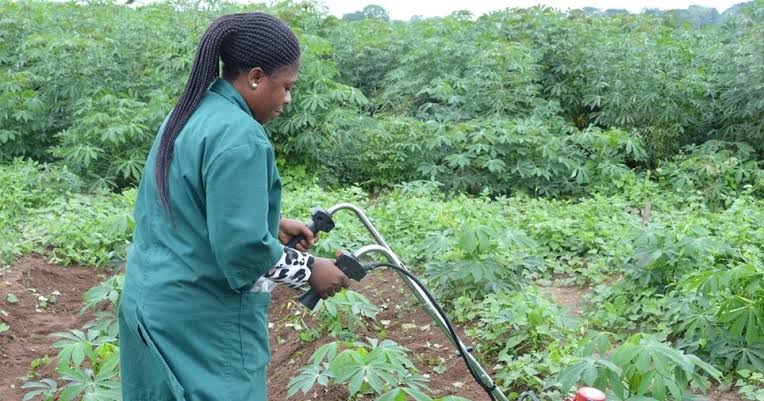
Weed management is very important in cassava farming because weeds compete with cassava plants for nutrients, water, and sunlight.
Farmers control weeds through:
- Manual weeding
- Herbicides
- Mulching
- Mechanical cultivation
The first few months after planting are especially critical because weeds can significantly reduce cassava yield during early growth stages.
Fertilizer Application in Cassava Farming
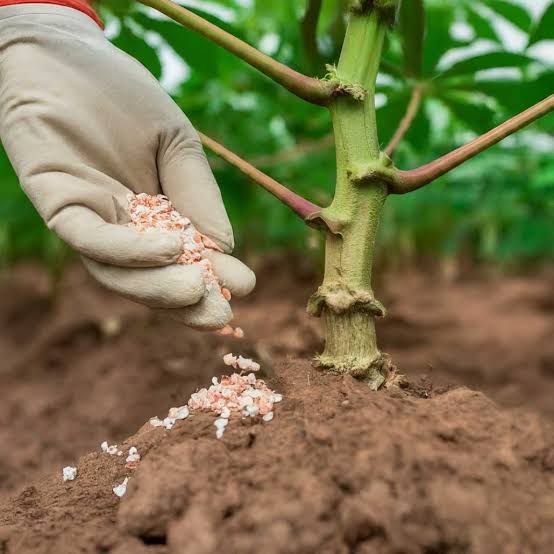
Although cassava can grow in relatively poor soils, fertilizer application improves productivity and increases root yield.
Farmers commonly apply:
- Organic manure
- NPK fertilizer
- Poultry manure
- Compost
Proper fertilizer application helps cassava plants develop strong roots and improves overall farm productivity.
Cassava Diseases and Pest Control
Cassava farming in Nigeria faces several disease and pest challenges. Some of the common cassava diseases include:
- Cassava mosaic disease
- Cassava bacterial blight
- Root rot disease
Common cassava pests include:
- Mealybugs
- Grasshoppers
- Rodents
- Termites
Using improved disease-resistant varieties and maintaining good farm sanitation help reduce disease outbreaks and pest infestations.
Harvesting Cassava

Cassava harvesting usually takes place between eight and eighteen months after planting depending on the variety and intended use.
Farmers harvest cassava by uprooting the roots manually or mechanically. Proper harvesting is important because damaged roots spoil quickly and reduce product quality.
One major advantage of cassava is that it can remain in the soil for some time after maturity, allowing farmers flexibility in harvesting.
Cassava Processing in Nigeria
Cassava processing is one of the most profitable areas of the cassava value chain. Raw cassava roots are highly perishable and must be processed quickly after harvest.
Cassava can be processed into:
- Garri
- Fufu
- Cassava flour
- Starch
- Tapioca
- Ethanol
- Cassava chips
Garri production is particularly popular because garri is one of the most widely consumed foods in Nigeria.
Cassava flour production is also growing rapidly due to increasing demand from bakeries and food manufacturing companies.
Cassava Export Opportunities
Nigeria has huge opportunities in cassava exportation because cassava products are in demand internationally. Cassava chips, starch, and cassava flour are exported to several countries for industrial use and food production.
Exporting cassava products requires:
- Quality processing
- Proper packaging
- Compliance with international standards
- Good storage facilities
Farmers and processors who meet export requirements can generate significant foreign exchange income.
Profitability of Cassava Farming in Nigeria
Cassava farming is highly profitable because of:
- Strong local demand
- Industrial applications
- Export opportunities
- Multiple value-added products
Farmers who combine cassava cultivation with processing usually earn higher profits because processed products have greater market value.
Large-scale cassava farming can generate substantial income when supported by proper management, improved varieties, and access to good markets.
Challenges Facing Cassava Farming in Nigeria
Despite its profitability, cassava farming still faces several challenges including:
- Poor road networks
- Inadequate processing facilities
- Limited access to finance
- High transportation costs
- Post-harvest losses
- Poor storage systems
Many farmers also struggle with fluctuating market prices and limited access to modern farming equipment.
Modern Technology in Cassava Farming
Technology is gradually improving cassava farming in Nigeria. Mechanized farming equipment such as tractors, planters, and harvesters are helping farmers increase productivity and reduce labor costs.
Improved processing machines are also helping processors produce higher-quality cassava products more efficiently.
Digital agriculture platforms now connect cassava farmers with buyers, investors, extension services, and agricultural training opportunities.
Conclusion
Cassava farming remains one of the most important and profitable agricultural businesses in Nigeria. The increasing demand for cassava products in food processing, manufacturing, and export markets continues to create massive opportunities for farmers and investors.
With proper land preparation, improved cassava varieties, good farm management, effective processing systems, and strong market access, cassava farming can generate substantial income and long-term business growth.
As Nigeria continues to promote local food production and industrial development, cassava farming will remain a major driver of economic growth, employment, and food security across the country.
Leave a Reply