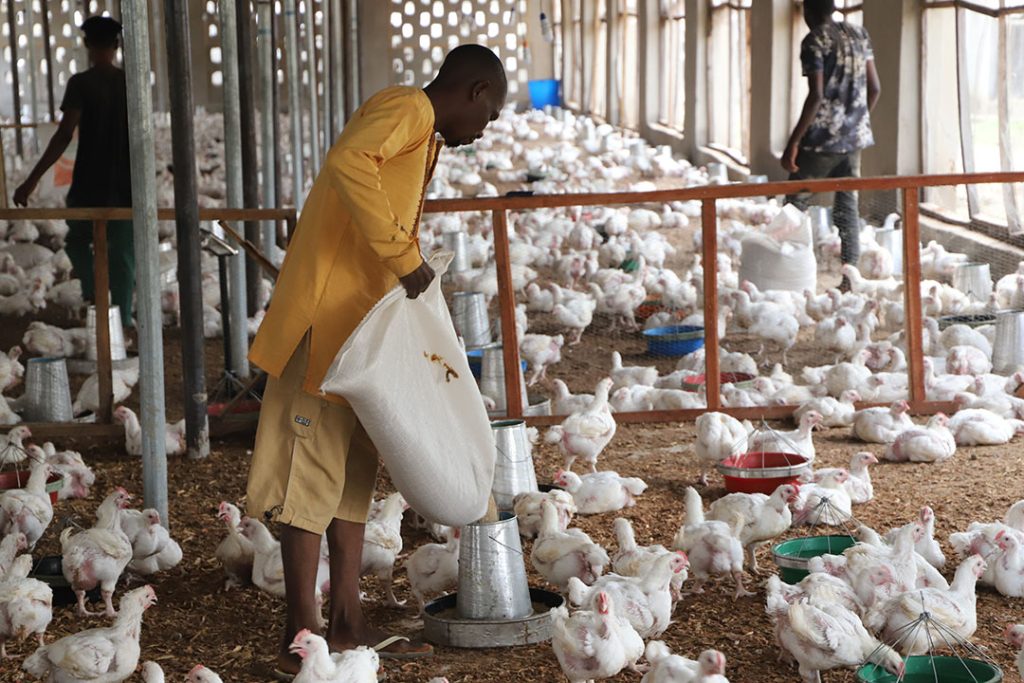

Poultry farming is one of the most important sectors in Nigeria’s agricultural industry and remains one of the fastest ways many people generate income from farming. Across the country, the demand for chicken meat and eggs continues to rise daily because poultry products are consumed by millions of Nigerians in homes, restaurants, hotels, schools, fast-food outlets, bakeries, supermarkets, and food processing companies. This constant demand has made poultry farming one of the most searched and most profitable agricultural businesses in Nigeria today.
Over the years, poultry farming has moved beyond traditional backyard farming into a major commercial industry that contributes significantly to food production, employment, and economic development. Many young people, graduates, business owners, and investors are now entering the poultry industry because of its profitability and relatively fast returns on investment compared to many other agricultural businesses.
One of the major advantages of poultry farming is that it does not require several years before generating income. Unlike some agricultural investments such as cocoa farming or oil palm plantations that may take years before producing returns, poultry farming can begin generating revenue within a few weeks or months. This quick production cycle makes the business attractive to both small-scale and large-scale farmers.
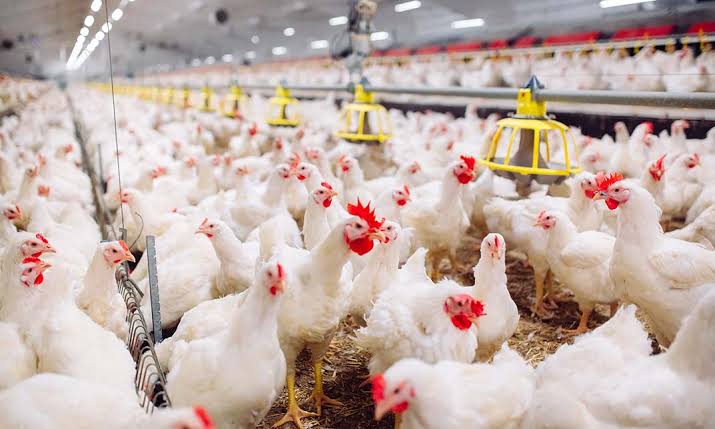
Poultry farming in Nigeria is mainly divided into two major categories which are broiler production and layer production. Broiler farming focuses on raising chickens for meat production. Broiler birds grow very quickly and are usually ready for sale within six to eight weeks depending on the feeding system and breed. Layer farming, on the other hand, focuses on egg production. Layers are raised mainly to produce eggs consistently for commercial sales.
Many poultry farmers in Nigeria choose broiler production because of the fast turnover and high demand for chicken meat during festive periods, ceremonies, restaurants, and fast-food operations. Broiler production is particularly profitable during Christmas, Easter, weddings, and other celebrations when the demand for chicken increases significantly.
Layer farming is also highly profitable because eggs are consumed daily by millions of Nigerians. Eggs are among the cheapest and most accessible sources of animal protein in the country. Bakeries, hotels, homes, and food vendors rely heavily on eggs, making egg production a steady source of income for poultry farmers.
Starting a poultry farm requires proper planning, knowledge, and investment. One of the first steps is determining the scale of the business. Some people begin with a small number of birds in their backyard while others invest in large commercial poultry farms with thousands of birds. Regardless of the scale, proper management remains the key to success.
Choosing a suitable location is very important in poultry farming. Poultry farms should be located in clean and secure environments with good road access, clean water supply, proper drainage, and enough space for expansion. The environment must also provide good ventilation because poultry birds are highly sensitive to excessive heat and poor air circulation.
Housing is another major factor that determines the success of a poultry business. Poultry birds need comfortable housing systems that protect them from harsh weather conditions, predators, diseases, and theft. Proper poultry housing helps improve bird growth, egg production, and overall farm performance.
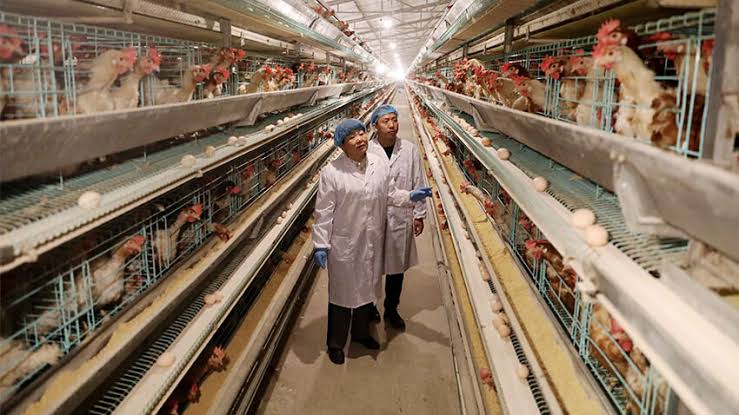
There are different poultry housing systems used in Nigeria. The deep litter system is one of the most common among small and medium-scale farmers. In this system, birds are kept on the floor covered with materials such as wood shavings or sawdust. Another popular system is the battery cage system which is mostly used for layer production. Battery cages help improve egg collection, reduce feed wastage, and make disease management easier.
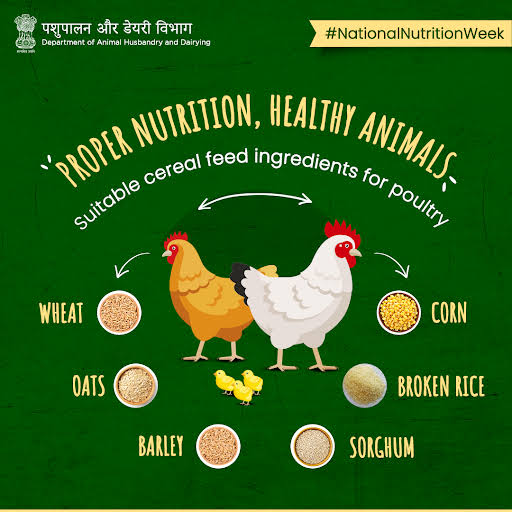
Feeding is one of the most important and most expensive aspects of poultry farming. Poultry birds require balanced feed containing proteins, carbohydrates, fats, vitamins, and minerals for healthy growth and productivity. Poor-quality feed can reduce bird performance and increase mortality rates.
In Nigeria, the high cost of poultry feed remains one of the biggest challenges facing poultry farmers. Ingredients such as maize, soybean meal, fish meal, and groundnut cake have become increasingly expensive due to inflation and market instability. Since feed can account for more than seventy percent of poultry production costs, many farmers now produce their own feed to reduce expenses.
Feed formulation involves combining different ingredients in the correct proportions to meet the nutritional needs of poultry birds. Farmers who understand feed formulation can reduce production costs and improve profit margins. However, poor feed formulation can negatively affect bird health and productivity.
Water is also extremely important in poultry farming. Poultry birds require constant access to clean and fresh water for proper digestion, growth, and egg production. Contaminated water can spread diseases quickly across the farm and cause heavy losses.
Disease management is another critical aspect of poultry farming in Nigeria. Poultry diseases can destroy an entire farm within a short period if not properly controlled. Common poultry diseases in Nigeria include Newcastle disease, coccidiosis, fowl pox, infectious bursal disease, and avian influenza.
Vaccination is necessary to protect poultry birds from dangerous infections. Farmers must follow proper vaccination schedules and maintain strict hygiene standards to reduce disease outbreaks. Regular cleaning of poultry houses, feeders, drinkers, and equipment is essential for maintaining a healthy environment.
Biosecurity is one of the most effective ways to prevent diseases on poultry farms. Biosecurity involves measures taken to prevent harmful organisms from entering the farm. These measures include restricting visitors, disinfecting footwear and equipment, isolating sick birds, and controlling rodents and wild birds around the farm.
Poor biosecurity can lead to massive financial losses because poultry diseases spread very quickly. Many farmers who ignore biosecurity practices often experience high mortality rates and reduced productivity.
Proper record keeping is another important part of successful poultry farming. Farmers should keep accurate records of feed consumption, medication, vaccinations, egg production, bird mortality, and sales. Good record keeping helps farmers monitor performance, identify problems early, and make better business decisions.
Marketing poultry products in Nigeria is relatively easy because there is always demand for eggs and chicken meat. Poultry farmers can sell directly to consumers, wholesalers, retailers, hotels, restaurants, supermarkets, schools, and food processing companies. Some farmers also supply frozen chicken products to stores and fast-food businesses.
Value addition can also increase profitability in poultry farming. Instead of selling only live birds or fresh eggs, some poultry farmers process and package their products to attract larger markets. Smoked chicken, frozen chicken, powdered eggs, and branded egg packaging are examples of value-added poultry products.
Technology is gradually transforming poultry farming in Nigeria. Modern poultry farms now use automated feeding systems, automatic drinkers, incubators, ventilation systems, and temperature control equipment to improve efficiency and reduce labor costs.
Digital technology has also improved poultry business operations. Many poultry farmers now use social media platforms and online marketplaces to advertise and sell their products. Mobile apps also help farmers monitor bird health, feed usage, and farm performance.
Poultry farming contributes greatly to employment and economic growth in Nigeria. The industry provides jobs for feed manufacturers, veterinarians, marketers, transporters, farm workers, equipment suppliers, and food processors. Thousands of Nigerians depend directly or indirectly on the poultry industry for their livelihood.
Despite its profitability, poultry farming still faces several challenges in Nigeria. High feed costs, poor access to finance, unstable electricity supply, insecurity, disease outbreaks, and fluctuating market prices remain major concerns for farmers. However, many successful poultry farmers continue to overcome these challenges through proper planning, modern management practices, and continuous learning.
Government support and private sector investments are also helping improve the poultry industry. Agricultural loans, farmer training programs, and improved veterinary services are gradually increasing productivity in the sector.
For young entrepreneurs seeking sustainable agribusiness opportunities, poultry farming remains one of the best options in Nigeria today. With proper knowledge, dedication, patience, and effective management, poultry farming can become a highly profitable and long-term business venture capable of generating steady income and financial independence.