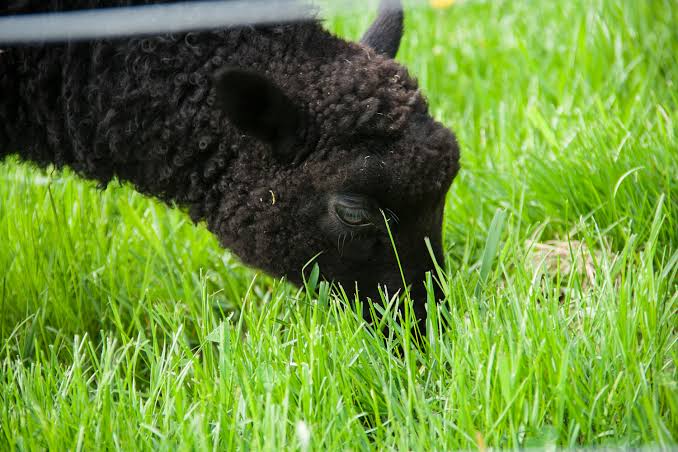

Breeding Management in Sheep (Beginner Guide for Nigeria)
Good breeding management is the backbone of a successful and profitable sheep farm. When you understand how to manage your rams, ewes, heat cycles, and records, you increase productivity and reduce losses.

Age at Maturity
- Ewes (female sheep) reach breeding maturity around 7–9 months, but it is best to wait until they are 1 year oldbefore breeding. This ensures they are strong and healthy.
- Rams (male sheep) become sexually mature around 6–8 months, but should also start breeding at 1 year to avoid stress and weak offspring.
Tip: A well-fed, healthy ewe will produce stronger lambs and have fewer complications.
Ideal Breeding Ratio
To avoid poor pregnancy rates:
- Use 1 ram for every 20 ewes
When more ewes are available, rotate rams or provide rest periods so the ram does not get exhausted.
Heat (Estrus) Signs in Ewes
Knowing when a ewe is in heat is important for timing mating. Here are common signs:
- Restlessness and bleating more than usual
- Loss of appetite
- Tail shaking frequently
- Standing still to allow the ram to mount
- Swollen or reddish vulva
- Clear mucous discharge
Heat lasts for 24–48 hours, and it repeats every 17–21 days if she does not conceive.
Lambing Interval
With good management, a ewe can lamb:
- Once every 8–9 months, or
- Three times in two years
Factors that affect lambing interval:
- Nutrition
- Health care
- Breeding timing
- Stress levels
Weaning Age
Weaning is when lambs stop taking milk from their mother.
- Lambs can be weaned at 3 months (12 weeks).
- Ensure lambs are eating grass, concentrates, and drinking water before separation.
Early weaning helps the ewe recover faster for the next breeding cycle.
Record-Keeping for Breeding
Every serious farmer must keep records. Simple notebook or farm app can be used.
Record:
- Ewe ID and ram ID
- Date of mating
- Heat cycle observation
- Pregnancy status
- Lambing date
- Number of lambs born
- Health treatments
Why records matter:
- Helps identify high-performing ewes
- Prevents inbreeding
- Helps plan feeding and breeding schedules
- Improves profit
Best Practices to Increase Reproduction
Follow these steps to boost fertility and lamb survival:
Provide balanced nutrition
- Give good grasses (elephant grass, guinea grass)
- Provide protein sources (legumes: stylo, centro)
- Supplement with concentrates during breeding and pregnancy
Mantain proper health care
- Deworm regularly
- Vaccinate against PPR, pneumonia, enterotoxaemia
- Keep housing clean and dry
Reduce stress
- Avoid overcrowding
- Handle animals gently
- Provide shade and water
Choose strong breeding stock
- Rams should be muscular with good body condition
- Ewes should have wide hips, good udders, and good mothering ability
Practice flushing
Increase nutrient intake 2–3 weeks before breeding to boost fertility and encourage twins.
Avoid inbreeding
Rotate rams or buy from different locations.
Conclusion
Good breeding management is a key factor in running a profitable sheep farm in Nigeria. When you understand heat signs, maintain proper feeding, avoid inbreeding, and keep accurate records, your flock will grow faster and remain healthier.


