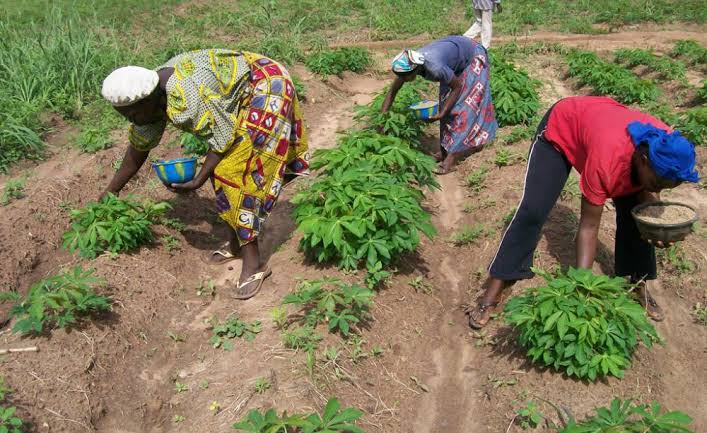
Cassava farming is one of the most profitable and easy-to-manage agricultural businesses in Nigeria. With the growing demand for garri, fufu, starch, flour, and ethanol, cassava farming offers farmers a steady source of income all year round. If you’re a new farmer looking to start a cassava farm in Nigeria, this guide will educate you step by step — from land preparation to harvesting.
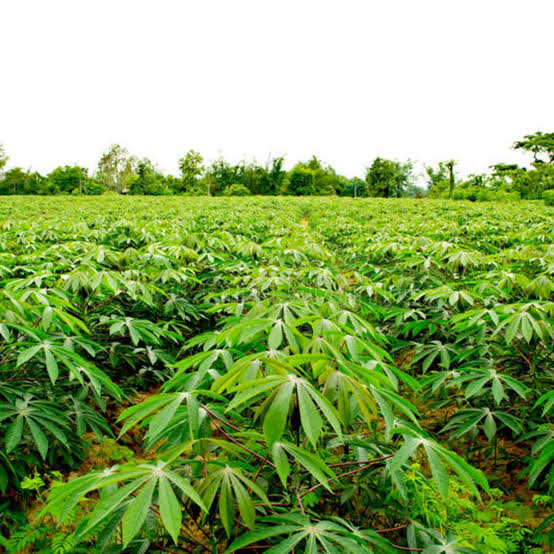
1. Understanding Cassava Farming in Nigeria
Cassava (Manihot esculenta) is a tropical root crop widely grown across Nigeria. It thrives in warm climates with moderate rainfall and well-drained soils. Nigeria is the largest producer of cassava in the world, making it a key crop for food security and industrial use.
Cassava is processed into several products such as:
- Garri
- Fufu
- Cassava flour
- Starch
- Animal feed
- Ethanol
2. Step-by-Step Guide on How to Start a Cassava Farm in Nigeria
Step 1: Select a Good Location
Choose land with fertile, well-drained sandy loam soil. Avoid waterlogged or clay soils. Cassava grows best in areas with annual rainfall of 1,000–1,500 mm and temperatures between 25–30°C.
Popular cassava-producing states include:
- Benue
- Kogi
- Ogun
- Ondo
- Cross River
- Imo
- Delta
Step 2: Land Preparation
Clear the land of weeds, stumps, and debris. Plough and harrow the land to loosen the soil and make planting easier. If the area is prone to flooding, create ridges or mounds to improve drainage.
Tip: Well-prepared soil allows cassava roots to develop fully, increasing yield.
Step 3: Choose the Right Cassava Variety
Selecting high-yield and disease-resistant cassava varieties is crucial. Some of the recommended varieties in Nigeria include:
- TMS 30572 – High yield and disease-resistant
- TME 419 – Early maturing and widely accepted
- NR 8082 – Suitable for garri and fufu production
You can get improved cassava stems from IITA (International Institute of Tropical Agriculture) or National Root Crops Research Institute (NRCRI).
Step 4: Planting Cassava
- Planting season: Usually starts at the beginning of the rainy season (March–June).
- Planting material: Use healthy cassava stem cuttings of 20–25 cm in length with 5–7 nodes.
- Plant spacing: 1 meter × 1 meter (about 10,000 plants per hectare).
- Planting method: Insert the stem cutting at an angle of 45° or horizontally into the soil, leaving two nodes above ground.
Step 5: Fertilizer Application
Cassava requires nutrients to grow well. Apply both organic manure (compost or poultry droppings) and inorganic fertilizers such as NPK 15:15:15.
Fertilizer recommendation per hectare:
- 12 bags (50 kg) of NPK 15:15:15
- Apply 6–8 weeks after planting
Tip: Conduct a soil test before fertilizer application to know the exact nutrient requirement.
Step 6: Weed and Pest Control
Weeds compete with cassava for nutrients and sunlight.
- Weed manually or apply selective herbicides.
- Control common pests like cassava mealybugs and grasshoppers using biological or chemical methods.
- Practice crop rotation to reduce pest and disease build-up.
Step 7: Harvesting Cassava
Cassava is ready for harvest between 9–12 months after planting, depending on the variety.
Signs cassava is mature:
- Yellowing of lower leaves
- Thickened stems
- Bulky roots
Harvest manually using cutlasses or hoes. Handle roots gently to avoid bruising.
Step 8: Processing and Marketing
After harvest, cassava can be processed into:
- Garri
- Fufu
- Cassava chips or flour
- Starch and ethanol
You can sell directly to:
- Local markets
- Garri processors
- Industrial buyers
- Export companies
Tip: Value addition through cassava processing increases profit margins.
9. Profitability of Cassava Farming in Nigeria
A well-managed 1-hectare cassava farm can yield 20–25 tonnes of tubers.
With proper marketing, a farmer can earn between ₦600,000 – ₦1,200,000 per hectare annually, depending on production costs and market prices.
10. Tips for Success in Cassava Farming
- Use improved varieties for higher yield.
- Always maintain weed control and proper spacing.
- Apply organic manure to improve soil fertility.
- Join a cassava farmers’ cooperative for market access and training.
- Consider irrigation systems during dry seasons to maintain production.
Conclusion
Starting a cassava farm in Nigeria is a profitable and sustainable agribusiness opportunity for both small and large-scale farmers. With the right land, improved varieties, good agronomic practices, and access to markets, cassava farming can become a long-term source of income.
Leave a Reply