If you’re a farmer looking to go into oil palm farming, understanding the correct planting process is the key to achieving high yields and long-term success. Oil palm is a highly profitable crop widely grown in Nigeria, Ghana, Indonesia, and Malaysia, producing palm oil used for food, cosmetics, and biofuel.
1. Choose the Right Location
The success of your oil palm plantation starts with site selection.
Oil palm thrives best in:
- Tropical regions with high rainfall (1500–2500 mm per year).
- Temperature range of 25°C–32°C.
- Deep, fertile, well-drained soil (preferably loamy or sandy-loam).
- Flat or gently sloping land to prevent erosion
2. Select Quality Oil Palm Seeds
Always use hybrid oil palm seedlings from certified sources such as NIFOR (Nigerian Institute for Oil Palm Research).
Good hybrid seeds:
- Grow faster.
- Produce more fresh fruit bunches.
- Are disease-resistant.
Tip: Avoid buying uncertified seeds from open markets — they often yield poorly.
3. Nursery Preparation
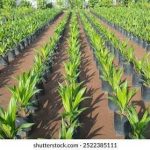
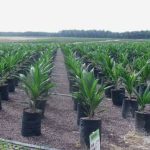
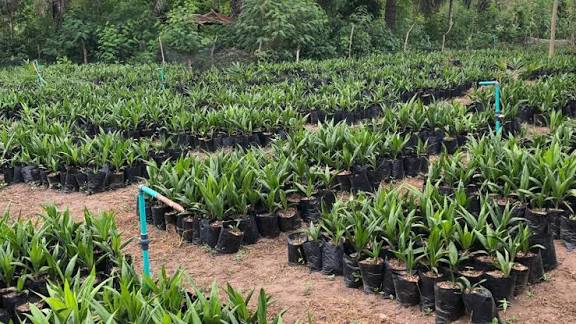
Before transplanting to the field, you need to raise your seedlings in a nursery.
Steps:
- Use polythene bags filled with topsoil and organic manure.
- Water regularly but avoid overwatering.
- Keep seedlings under partial shade for the first few weeks.
- Maintain the nursery for 10–12 months before transplanting.
4. Land Preparation
Prepare your farmland before transplanting the seedlings:
- Clear the land of weeds, stumps, and debris.
- Plough and harrow to loosen the soil.
- Create access paths for easy management and harvesting.
- Dig planting holes about 60 cm × 60 cm × 60 cm.
5. Proper Spacing and Planting
Correct spacing ensures healthy growth and high yield.
- Standard spacing: 9 m × 9 m × 9 m (triangular planting pattern).
- Add organic manure or compost into each hole before planting.
- Transplant seedlings early in the rainy season to ensure enough moisture.
6. Weed and Pest Control
Weeds compete with palms for nutrients and water.
- Use manual weeding or selective herbicides.
- Watch for pests like bagworms, rats, and leaf miners.
- Apply recommended pesticides only when necessary.
7. Fertilizer Application
Fertilizer is essential for palm growth and fruit development.
- Apply NPK 15:15:15 or palm-specific fertilizers.
- Add organic manure yearly.
- Conduct soil tests to know exact nutrient needs.
8. Harvesting
Oil palm starts producing fruits between 3 to 4 years after planting.
- Harvest ripe fresh fruit bunches (FFBs) when fruits turn reddish-orange and start dropping.
- Use a chisel or sickle for harvesting.
9. Post-Harvest Management
After harvesting, transport your fruits to the processing mill immediately to prevent oil loss and fermentation.
Regular maintenance of your plantation — pruning, mulching, and fertilizer application — will keep your palms productive for up to 25 years.
Conclusion
Starting an oil palm plantation is a long-term investment that requires patience, knowledge, and care. By following the above steps — from selecting quality seedlings to managing your plantation properly — you can achieve a profitable oil palm farming business.