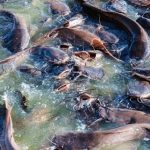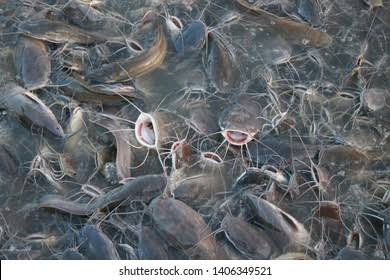

Catfish farming is one of the most profitable agribusinesses in Nigeria today. With as little as ₦300,000, you can successfully start a small-scale catfish farm and grow it into a sustainable source of income. This guide will educate every aspiring farmer on how to start catfish farming in Nigeria with the right knowledge, tools, and budget.
Why Start Catfish Farming in Nigeria?
Catfish farming has become very popular in Nigeria due to:
- High market demand: Nigerians consume catfish daily in pepper soup joints, restaurants, and homes.
- Fast growth rate: Catfish can reach market size (1kg+) within 5–6 months.
- Steady income: Farmers can sell both live and processed catfish.
- Low risk compared to other livestock.

Starting Catfish Farming with ₦300,000 – Is It Possible?
Yes! You can start a small catfish farm with ₦300,000 if you plan wisely. The key is starting small and managing your expenses efficiently. Here’s a sample breakdown of how to use your budget:
| Item | Estimated Cost (₦) |
|---|---|
| 1. Pond construction (tarpaulin pond or concrete) | 100,000 |
| 2. 500 catfish fingerlings (₦80 each) | 40,000 |
| 3. Fish feed (for 4–6 months) | 100,000 |
| 4. Water supply and plumbing | 20,000 |
| 5. Drugs, salt, lime, and water treatment | 10,000 |
| 6. Labour and maintenance | 10,000 |
| 7. Miscellaneous (transport, feeding trays, nets, etc.) | 20,000 |
| Total | ₦300,000 |
Step-by-Step Guide to Starting Catfish Farming in Nigeria
1. Choose a Good Location
Select a location with constant clean water supply and good drainage. You can start in your compound if you have space for a tarpaulin pond.
2. Build or Buy a Pond
You can use:
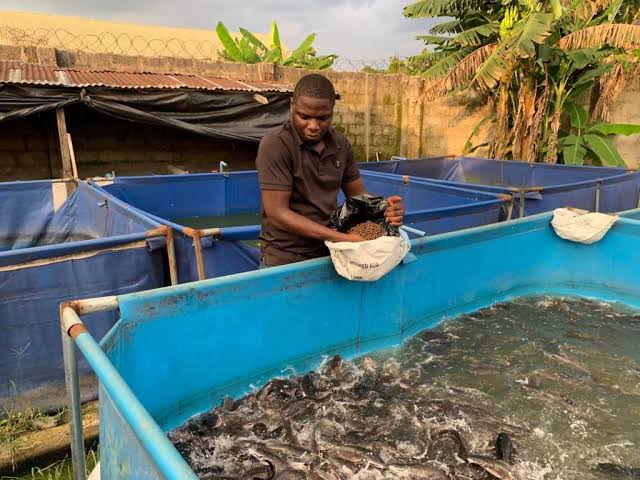
- Tarpaulin ponds (best for beginners and easy to maintain)
- Concrete ponds
- Earthen ponds
Start with one pond that can hold 500–1000 fish, then expand as your profit grows.
3. Buy Healthy Fingerlings or Juveniles
Purchase from a reputable hatchery. Always inspect the fish — they should be active, uniform in size, and free from injuries.
4. Feed Your Fish Properly
Feed catfish 2–3 times daily using quality floating feed for the first two months, then switch to local feed to reduce cost. Consistent feeding ensures fast growth and better profit.
5. Maintain Water Quality
Change the pond water every 3–4 days or when it becomes dirty. Clean water helps prevent diseases and improves fish appetite.
6. Monitor Growth and Health
Weigh your fish monthly to track progress. Watch out for signs of sickness such as slow movement or refusal to eat.
7. Harvest and Sell
After 5–6 months, your catfish should weigh between 1–1.5 kg. You can sell to:
- Market women
- Pepper soup joints
- Hotels and restaurants
- Process into smoked catfish for export or local sale
Tips for Success in Catfish Farming
- Start small and expand as you gain experience.
- Always buy quality feed — poor feed slows growth.
- Keep good records of expenses and sales.
- Network with other catfish farmers for market access.
- Reinvest profits to scale your farm.
Profit Estimation
If you rear 500 catfish and sell each at ₦1,500:
₦1,500 × 500 = ₦750,000
After expenses (₦300,000), your net profit can be around ₦400,000 in 5–6 months.
Final Thoughts
Starting catfish farming in Nigeria with ₦300,000 is achievable for any serious farmer. With proper management, clean water, and quality feed, your farm can grow into a profitable agribusiness within a few months.
Catfish farming is not just a business — it’s a sustainable source of income and food security for Nigerians. Start today and grow your future!