
Day-to-day chick management is one of the most important aspects of successful poultry farming. Proper care and attention during the first few weeks of a chick’s life determine its growth rate, health, and overall productivity. This guide will educate poultry farmers on daily chick management practices, focusing on feeding, hygiene, temperature control, and health monitoring.
1. Morning Routine: Check the Brooder Environment
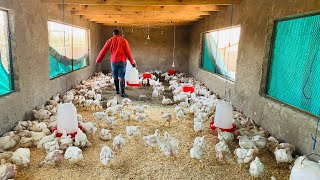
The day starts with inspecting the brooder house — the chicks’ living area.
- Temperature: Maintain between 32°C to 35°C during the first week. Gradually reduce it by 2–3°C weekly.
- Ventilation: Ensure the brooder has fresh air without cold drafts.
- Lighting: Provide 23 hours of light and 1 hour of darkness to help chicks feed and grow well.
- Litter: Stir or replace wet litter to prevent diseases like coccidiosis.
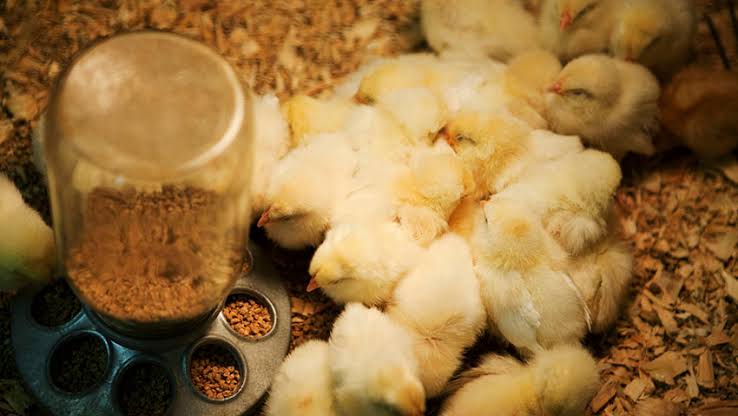
Tips: Observe chick behavior — if they cluster under the lamp, it’s too cold; if they spread far apart, it’s too hot.
2. Daily Feeding and Clean Water Supply
Feeding is key to fast growth and strong immune development.
- Feed Type: Give starter feed with at least 20–22% crude protein during the first 4 weeks.
- Feeding Schedule: Offer feed 3–4 times daily to encourage uniform growth.
- Water: Provide clean, cool, and medicated water (especially during the first week).
- Additives: Include vitamins, electrolytes, and glucose in the water to boost chick energy.
Tip: Always wash and refill drinkers with clean water to avoid contamination.
3. Midday Care: Monitor Chick Behavior
Throughout the day, observe the chicks closely. Their activity level and feeding behavior indicate their well-being.
- Active, noisy chicks are healthy.
- Weak, quiet chicks may be sick or overheated.
- Check feed and water availability every few hours.
Tip: Record daily observations such as feed intake, mortality, and temperature readings to track progress.
4. Evening Routine: Hygiene and Security
Before nightfall, ensure the chicks are comfortable and protected.
- Clean feeders and drinkers thoroughly.
- Remove any sick or weak chicks to a separate area for treatment.
- Close all windows and doors securely to prevent predators or cold drafts.
Tip: Maintain proper light and warmth overnight to reduce stress and mortality.
5. Daily Health Management
- Observe for signs of illness: drooping wings, watery droppings, or reduced appetite.
- Administer preventive drugs like multivitamins, antibiotics, and anticoccidial agents as recommended by a vet.
- Vaccination Schedule: Start with Newcastle and Gumboro vaccines according to your vaccination program.
Tip: Always keep accurate vaccination and treatment records.
6. Weekly Tasks
While daily care is important, weekly routines also help maintain long-term health.
- Change litter materials if wet or dirty.
- Weigh chicks weekly to monitor growth performance.
- Disinfect brooder equipment regularly to kill germs and parasites.
7. Record Keeping and Performance Tracking
Good record keeping helps you know what works best on your farm.
Keep records of:
- Daily feed and water intake
- Mortality rate
- Weight gain
- Vaccine and medication use
Tips: Use farm management software or a simple notebook for easy tracking.
Conclusion
Effective day-to-day chick management is the backbone of profitable poultry farming. By maintaining the right temperature, providing balanced feed, ensuring clean water, and following a proper health program, you’ll raise healthy, fast-growing birds that deliver great returns.