
Starting a poultry farm can be one of the most profitable agribusiness ventures if done correctly. Poultry farming provides a steady source of income, food security, and employment. Whether you’re raising chickens for meat (broilers) or eggs (layers), understanding the key requirements and steps is essential for success.
In this guide, we’ll walk you through everything you need to start and succeed as a poultry farmer — from farm setup to marketing your birds.
1. Conduct Proper Research and Planning
Before you start, take time to understand the poultry business. Learn about:
- Different poultry breeds (broilers, layers, cockerels, local breeds)
- Feeding requirements and costs
- Common poultry diseases and prevention
- Market demand in your area
Write a detailed business plan that includes your startup cost, production goal, feeding plan, and profit projections. This plan helps guide your decisions and attract potential investors or grants.
2. Choose the Right Location for Your Poultry Farm
Selecting a suitable site is crucial. The location should:
- Be away from residential areas (to avoid odor and noise complaints)
- Have access to clean water and electricity
- Have good road access for feed and product transportation
- Allow enough space for expansion
Ensure the environment is well-ventilated and not overcrowded to reduce stress and disease risk among birds.
3. Select the Right Poultry Breed
The success of your poultry farm depends on choosing the right breed.
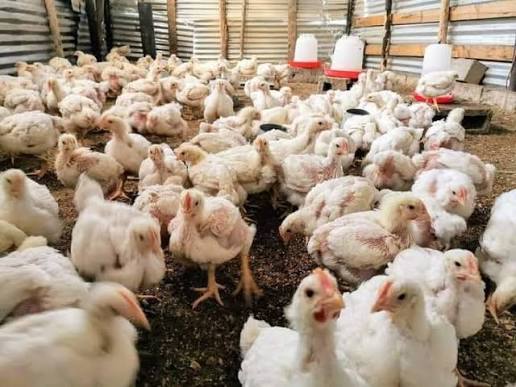
- Broilers: Fast-growing chickens raised for meat (ready in 6–8 weeks).
- Layers: Hens that produce eggs consistently (start laying at 18–22 weeks).
- Cockerels or Local Breeds: More resilient and good for small-scale farmers.
Buy day-old chicks from reputable hatcheries to ensure healthy and high-performing birds.
4. Build or Prepare Poultry Housing (Chicken Coop)
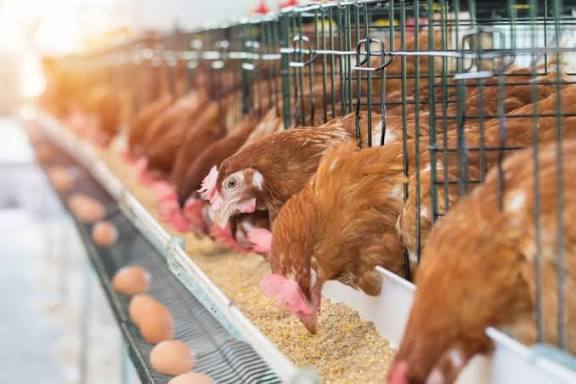
Your poultry housing determines bird health and productivity. A good poultry house should:
- Provide enough space (avoid overcrowding)
- Have proper ventilation and lighting
- Be easy to clean and disinfect
- Protect birds from predators and harsh weather
For broilers, provide 1 square foot per bird; for layers, ensure they have access to nest boxes and perches.
5. Feed and Nutrition Management
Feed is the largest cost in poultry production. Always provide balanced, high-quality feed with the right mix of protein, vitamins, and minerals.
Feed types include:
- Starter Feed: For chicks (0–4 weeks)
- Grower Feed: For growing birds (5–12 weeks)
- Finisher Feed: For broilers (13 weeks onward)
- Layer Feed: For egg-producing hens
Provide clean drinking water at all times, as dehydration reduces growth and egg production.
6. Health and Biosecurity Measures
Disease prevention is critical in poultry farming. Implement strict biosecurity to keep your flock healthy:
- Vaccinate birds against common diseases (Newcastle, Gumboro, Fowlpox, etc.)
- Disinfect housing regularly
- Limit visitors to the farm
- Quarantine new or sick birds
Partner with a qualified veterinarian or a livestock service like MyGovoVet for health checks and vaccination schedules.
7. Record Keeping and Monitoring
Keep detailed records of:
- Feed consumption
- Mortality rate
- Egg production
- Vaccination schedules
- Sales and expenses
Good records help you monitor progress and make informed decisions to increase profits.
8. Marketing and Selling Your Poultry Products
Create a clear marketing strategy before your birds mature. Sell your products through:
- Local markets and retailers
- Hotels and restaurants
- Egg distribution networks
- Online platforms and social media
Brand your poultry products attractively to stand out in the market. Offer fresh, clean, and well-packaged meat or eggs to build customer trust.
9. Seek Training and Partnerships
As a beginner, consider attending agricultural workshops or online poultry training programs. Partner with:
- Local agricultural agencies
- Poultry associations
- Financial institutions or grants providers
These partnerships can help you access credit, vaccines, or technical guidance.
10. Maintain Consistency and Patience
Poultry farming success doesn’t happen overnight. Stay consistent, follow best practices, and reinvest profits to grow your farm. With proper care, record-keeping, and marketing, you can build a thriving poultry business.
Final Thoughts
Starting a poultry farm as a beginner in Africa or Nigeria is achievable with the right planning and dedication. Focus on quality feeding, biosecurity, proper housing, and good marketing. Educate yourself continuously — success in poultry farming comes from knowledge, discipline, and smart management.
Leave a Reply