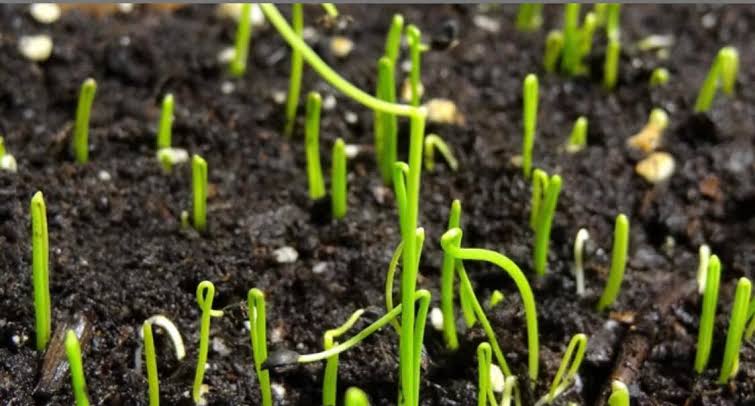
Fertilizer and Soil Fertility in Onion Farming
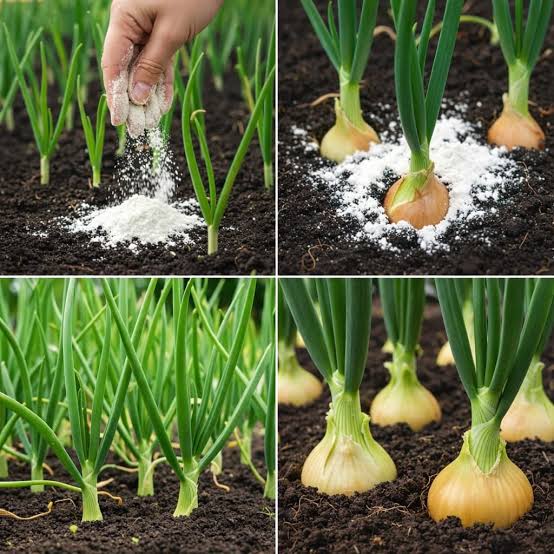
Good fertilizer management is one of the most important skills a young onion farmer needs to learn. Onions have relatively shallow roots, so they depend heavily on nutrients available near the soil surface. Poor soil fertility can result in small bulbs, weak plants, yellow leaves and low yields.
However, more fertilizer does not always mean bigger onions. Applying the wrong fertilizer, too much nitrogen or fertilizer at the wrong time can damage the crop and reduce bulb quality.
1. Best Fertilizer for Onion Farming
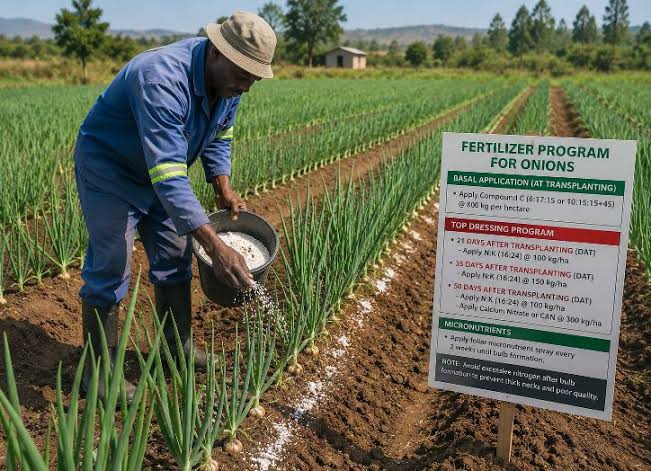
There is no single fertilizer that is best for every onion farm. The right fertilizer depends on the soil condition and the growth stage of the onions.
Common fertilizers used in onion production include:
- NPK fertilizer – supplies nitrogen, phosphorus and potassium.
- Urea – provides a high amount of nitrogen.
- Organic manure or compost – improves soil structure and supplies nutrients gradually.
- Potassium fertilizers – can be useful where soil tests show insufficient potassium.
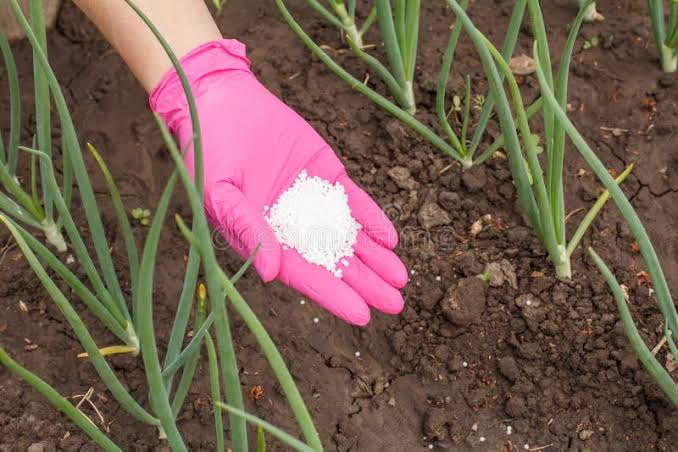
For a young farmer, the best approach is to test the soil before planting whenever possible. A soil test can show whether your field is deficient in nitrogen, phosphorus, potassium or other important nutrients.
2. Organic Manure for Onion Farming
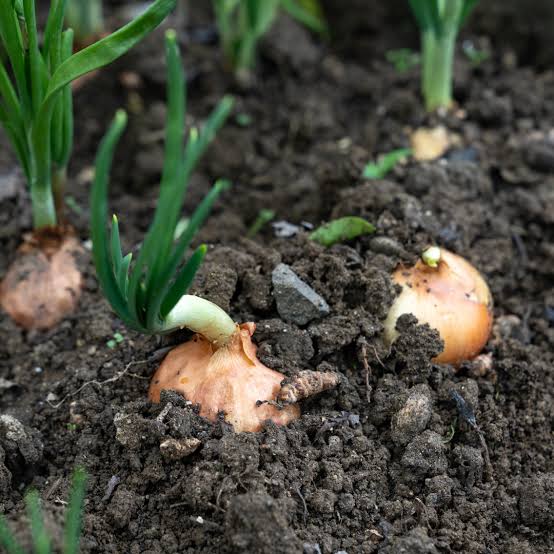
Well-decomposed animal manure or compost can improve the soil before planting. It adds organic matter, improves soil structure and helps the soil retain moisture and nutrients.
Good sources include:
- Well-decomposed poultry manure
- Well-rotted cow manure
- Compost
- Other properly decomposed organic materials
Avoid applying fresh poultry or animal manure directly around onion seedlings. Fresh manure can be too strong for young plants and may introduce pathogens or weed seeds.
Mix properly decomposed manure into the soil during land preparation rather than placing large quantities directly against the plants.
3. When to Apply NPK Fertilizer to Onions
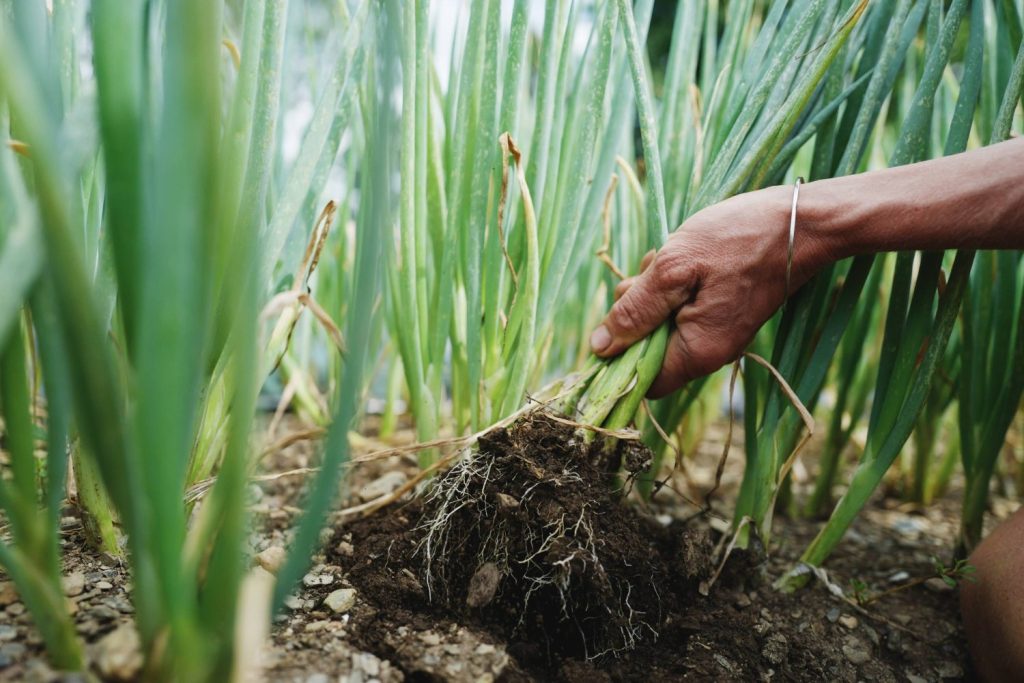
NPK fertilizer is commonly used to provide nutrients during establishment and early growth.
A general approach is:
Before planting:
Incorporate suitable fertilizer or well-decomposed manure into the soil according to soil-test recommendations.
After establishment:
Apply additional fertilizer if required by the soil condition and production plan. Fertilizer should be placed carefully so that it does not sit directly against the onion plant.
During bulb development:
Avoid continuing heavy nitrogen applications. Too much nitrogen late in the season can encourage excessive leaf growth and may delay proper bulb maturation.
Always follow the application rate recommended for the particular fertilizer product and, where possible, a soil-test-based recommendation.
4. How to Use Urea on Onion Farms
Urea contains a high concentration of nitrogen, so it should be used carefully.
Nitrogen is important for leaf development, especially during the early stages of onion growth. However, excessive nitrogen can produce very lush leaves without giving you the good-quality bulbs you want.
When using urea:
- Apply only the recommended quantity.
- Keep fertilizer away from direct contact with the plant.
- Apply when the soil has adequate moisture.
- If appropriate, lightly incorporate or irrigate after application.
- Avoid excessive applications late in the crop cycle.
Never assume that more urea will produce bigger onions. Excess nitrogen can create problems with maturity and bulb quality.
5. Best Fertilizer Schedule From Planting to Harvest
A simple fertilizer management plan can be divided into three stages.
Stage 1: Land Preparation
Before planting:
- Test the soil if possible.
- Add well-decomposed organic manure or compost.
- Correct major soil deficiencies according to the soil-test recommendation.
- Prepare a well-drained seedbed.
Stage 2: Early Growth
After seedlings become established:
- Monitor leaf colour and plant growth.
- Apply required nutrients according to your soil test and fertilizer recommendation.
- Use nitrogen carefully to encourage healthy leaf development.
- Irrigate properly after fertilizer application where appropriate.
Stage 3: Bulb Development
As the onion begins forming bulbs:
- Pay attention to potassium and overall nutrient balance.
- Avoid unnecessary heavy nitrogen applications.
- Maintain adequate moisture.
- Monitor the crop for signs of nutrient deficiency.
Stage 4: Approaching Harvest
As the crop approaches maturity:
- Avoid unnecessary late fertilizer applications.
- Allow the crop to mature naturally.
- Gradually reduce irrigation according to crop maturity and local production conditions.
- Prepare for harvesting when the crop shows normal maturity signs.
The exact fertilizer rates and timing should be adjusted to the onion variety, soil fertility, irrigation system and fertilizer product being used.
6. How to Correct Poor Soil Fertility
If onions are growing poorly, do not immediately assume that the solution is more fertilizer.
First check:
- Soil fertility
- Soil pH
- Drainage
- Irrigation
- Pest damage
- Disease
- Root development
- Previous crops grown on the land
A soil test is one of the best ways to identify the actual problem.
Depending on the result, you may need to:
- Add organic matter.
- Correct soil acidity where necessary.
- Apply phosphorus or potassium if deficient.
- Supply nitrogen where required.
- Improve drainage.
- Avoid continuous cropping without proper soil fertility management.
7. Common Fertilizer Mistakes Young Onion Farmers Should Avoid
Applying too much urea
Excess nitrogen can encourage excessive leaf growth and interfere with bulb maturation.
Using fresh manure
Fresh manure can damage young plants and create sanitation problems.
Applying fertilizer directly on seedlings
Fertilizer placed directly against young onion plants can cause fertilizer burn.
Fertilizing without understanding the soil
Different fields have different nutrient requirements. Soil testing can help prevent unnecessary fertilizer expenses.
Applying nitrogen heavily near harvest
Late excessive nitrogen can keep the plant producing leaves when the farmer needs proper bulb maturation.
Ignoring potassium
Potassium is an important plant nutrient and should not be overlooked when managing onion fertility.
Final Advice for Young Onion Farmers
Fertilizer should be treated as a management tool, not a shortcut to high yields.
Start with healthy soil, use well-decomposed organic matter, understand your soil’s nutrient status and apply fertilizer according to the crop’s needs. Keep records of what you apply and how the crop responds.
Most importantly, do not copy another farmer’s fertilizer rate blindly. A fertilizer programme that works on one farm may not be suitable for another because soil type, fertility, variety, irrigation and previous cropping history can all be different.
If you learn to combine soil testing, proper organic matter management, balanced fertilization and good irrigation, you will be in a much stronger position to produce healthy onion bulbs and reduce unnecessary fertilizer costs.
Leave a Reply