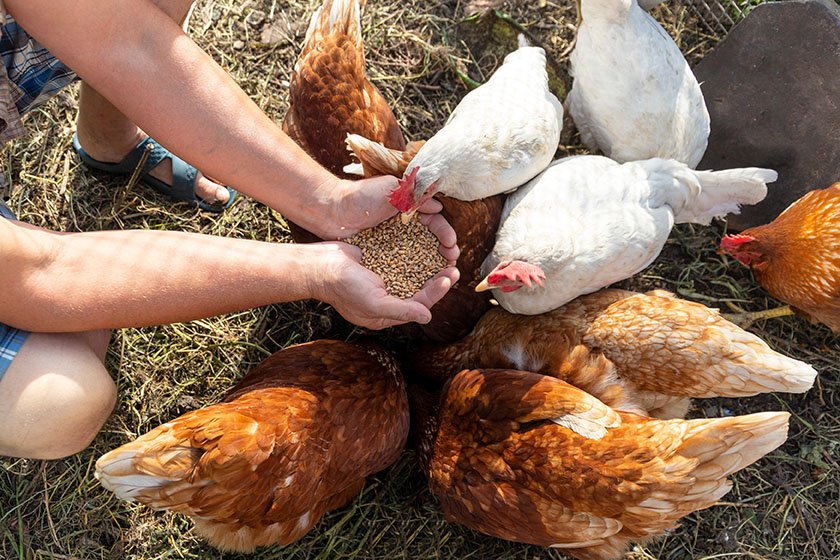
Chicken Feed Intake: How Much Should Chickens Eat and Are They Getting the Right Feed for Their Age?
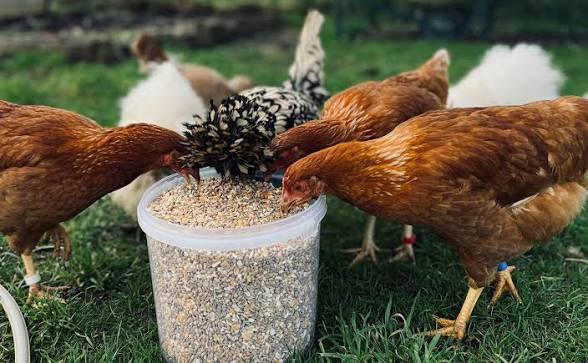
Feed is one of the biggest expenses in poultry farming, especially for young farmers. Understanding how much your chickens should eat and giving them the correct feed for their age can make a big difference in growth, egg production, health and profit.
A farmer should not only ask, “Are my chickens eating?” but also ask, “Are they eating the right quantity and the right type of feed?”
Why Feed Intake Is Important
Chickens need enough nutrients to build muscles, bones, feathers and, in laying birds, eggs. If they receive too little feed or poor-quality feed, growth can become slow and birds may become weak.
On the other hand, simply giving excessive feed does not always mean better growth. Wasted feed increases production costs and can contribute to obesity, particularly in birds that are not growing or producing according to expectations.
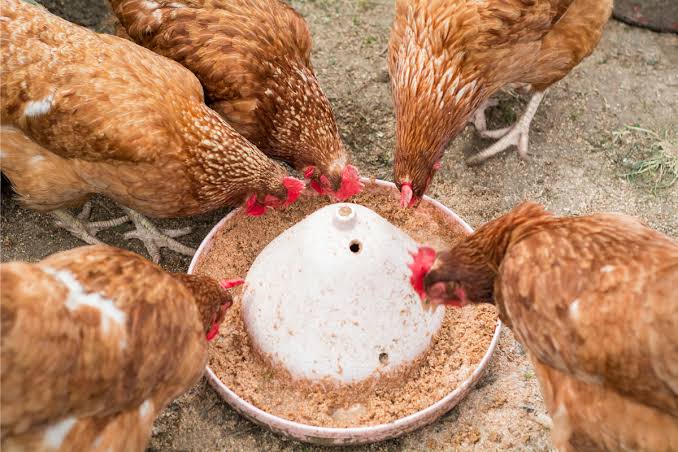
Feed intake should therefore be monitored regularly.
How Much Do Chickens Eat?
Feed consumption depends on the breed, age, body weight, weather, health, feed quality and whether the birds are broilers, layers or indigenous chickens.
As a general guide:
| Age | Approximate daily feed intake per bird |
|---|---|
| 0–1 week | 10–20 g |
| 2 weeks | 20–30 g |
| 3 weeks | 30–40 g |
| 4 weeks | 40–50 g |
| 5–6 weeks | 50–70 g |
| 7–8 weeks | 70–90 g |
These figures are only general estimates. Commercial breeds have feeding standards that can differ significantly, so young farmers should follow the feeding guide supplied for their particular breed or feed.
Give Birds the Right Feed for Their Age
Different stages of chicken growth require different levels of protein, energy, vitamins and minerals.
0–4 Weeks: Chick Starter
Young chicks need starter feed because they are growing rapidly. Starter feed should provide the nutrients required for muscle, bone and feather development.
Do not rush chicks onto grower or finisher feed simply because they appear to be growing well.
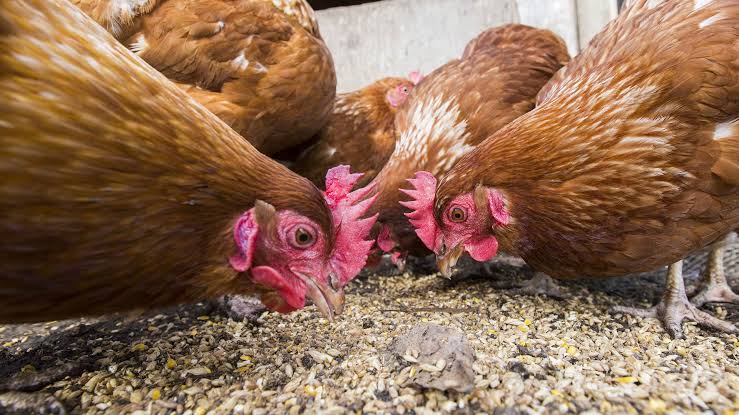
5–8 Weeks: Grower/Finisher Feed
As birds become older, their nutritional requirements change. Broilers may move into grower or finisher diets depending on the feeding programme being used.
The correct transition time depends on the breed and manufacturer’s feeding recommendations.
Layers: Developer and Layer Feed
Pullets should not be placed on layer feed too early. Young pullets need a diet designed for development, while laying birds require additional calcium and other nutrients needed for egg production.
Once pullets approach the appropriate laying stage, farmers can transition them according to the breed and feed manufacturer’s recommendations.
🔎 How to Know If Your Chickens Are Eating Enough
Do not judge feed intake only by looking at the feeder.
Look at the birds themselves.
Healthy birds that are receiving adequate nutrition should generally show:
- Good activity and alertness
- Steady growth
- Good feather development
- Normal body condition
- Strong legs
- Good appetite
- Uniform size within the flock
If many birds are noticeably smaller than others, investigate the feeding programme rather than assuming they are simply slow growers.
Signs That Feed Intake May Be Too Low
Be concerned when you notice:
- Feed remaining untouched for unusually long periods
- Birds becoming weak or inactive
- Slow growth
- Uneven body sizes
- Poor feather development
- Birds competing aggressively around feeders
- Sudden reduction in feed consumption
A sudden decrease in feed intake can also be an early warning sign of disease, heat stress, poor-quality feed or problems with the water supply.
Never Forget Water
Feed intake and water intake are closely connected.
Chickens need clean, fresh water throughout the day. During hot Nigerian weather, water consumption can increase considerably.
If birds have difficulty accessing water, their feed intake may also fall.
Check drinkers every day and make sure they are clean, working properly and positioned so that all birds can access them.
Heat Can Reduce Feed Intake
High temperatures can cause chickens to eat less because digestion produces additional body heat.
During very hot periods, provide adequate ventilation, clean drinking water and enough space for birds to move away from crowded areas.
Do not respond to poor feed intake by simply forcing more feed into the birds. First look for the underlying cause.
Monitor Feed Intake Properly
Young farmers should develop the habit of recording how much feed enters the poultry house.
For example, if you have 100 birds and give them 5 kg of feed, record:
Date → Number of birds → Feed supplied → Feed remaining → Estimated consumption
This helps you identify changes early.
If your birds suddenly consume much less feed than normal, investigate immediately.
Avoid Feed Wastage
A lot of money can disappear through feed wastage.
Common causes include:
- Feeders being filled too high
- Poor-quality or damaged feeders
- Birds scratching feed onto the floor
- Too many birds using one feeder
- Wet feed becoming spoiled
- Rodents eating stored feed
- Poor feed storage
Fill feeders appropriately and position them at a comfortable height for the birds.
Homemade Feed Requires Extra Care
Some farmers mix their own feed to reduce costs. This can work when the farmer understands poultry nutrition and uses properly formulated ingredients.
Simply mixing maize, wheat, bran or other ingredients without balancing protein, energy, minerals, vitamins and amino acids can result in poor growth and production.
Cheap feed is not necessarily economical if birds grow slowly or produce fewer eggs.
A Simple Rule for Young Chicken Farmers
Do not measure success by how much feed you give. Measure it by how efficiently your chickens turn feed into healthy growth or eggs.
Always know:
What breed are my chickens?
How old are they?
What feed should they receive at this age?
How much are they actually consuming?
Are they growing according to expectations?
Keeping simple records will help you detect problems before they become expensive.
Final Advice
Feed is the foundation of successful poultry production. Give chickens feed formulated for their age and purpose, provide clean water continuously, monitor daily consumption and watch the birds for changes in appetite or growth.
For commercial broilers and layers, use the feeding programme recommended for the specific breed and feed formulation rather than relying entirely on a general table.
**A young farmer who learns to monitor feed intake early will have better control over poultry health, growth and production costs
Leave a Reply